
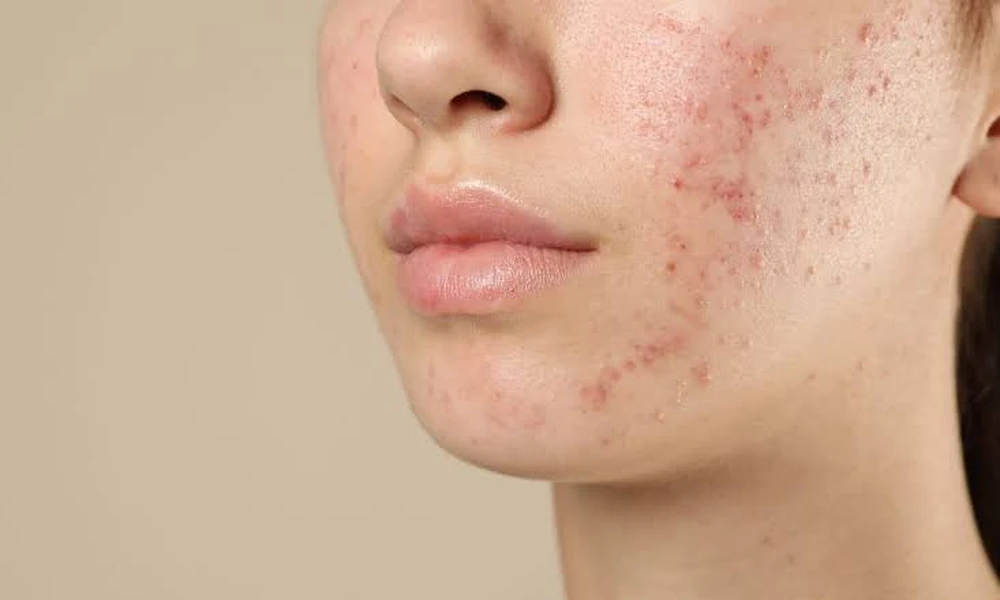
Have you ever looked in the mirror after a weekend of celebrations and wondered why your skin seemed tired, dull, or less vibrant than usual? Sometimes the answer is not found in a skincare product or a missed beauty routine. What happens inside the body can often show up on the surface, and alcohol is one lifestyle factor that may influence how skin looks and feels over time.
Key Takeaways
- Alcohol can contribute to dehydration, which may affect skin appearance.
- Changes in hydration levels can make skin look dull or less refreshed.
- Alcohol may influence sleep quality, an important part of skin recovery.
- Long-term drinking habits can affect overall wellness, which may be reflected in the skin.
- Consistent hydration, balanced nutrition, and healthy lifestyle choices can support healthier-looking skin.
- Recovery-focused habits may benefit both overall well-being and skin health.
Looking Beyond the Surface
Skin is often viewed as an outer layer, but it reflects many internal processes. Nutrition, sleep, stress levels, hydration, and lifestyle habits can all influence its condition.
Alcohol interacts with several of these factors at the same time. A person may notice temporary effects after a single evening of drinking, while long-term patterns can create more noticeable changes. The connection is not always immediate, but the body often leaves clues.
During conversations about wellness and recovery, an interesting reality emerges: Many individuals and families use Soberlink as part of a structured approach to maintaining accountability during recovery. While recovery journeys differ from person to person, lifestyle changes often influence many aspects of health, including the appearance of the skin.
Why Hydration Matters
One of the most discussed effects of alcohol relates to hydration. Alcohol can increase fluid loss, which may leave the body needing additional water. When hydration levels drop, skin may appear less plump and radiant. Some people notice dryness, while others describe their complexion as looking tired or uneven. These effects are often temporary, but repeated dehydration can make it harder for skin to maintain a healthy appearance.
Supporting hydration throughout the day remains one of the simplest ways to promote overall wellness and help skin look its best.
Sleep and Skin Recovery
Good sleep provides the body with time to recover and repair. Skin also benefits from this natural recovery period. Alcohol may interfere with normal sleep patterns, even when it initially makes a person feel sleepy. Interrupted or lower-quality sleep can affect how refreshed someone feels the next day. Over time, poor sleep habits may contribute to a less vibrant complexion.
Healthy sleep routines support many systems throughout the body, and skin is no exception.
The Role of Everyday Wellness
Alcohol does not affect everyone in exactly the same way. Factors such as age, diet, activity level, stress, and overall health can influence the experience. People who maintain balanced nutrition, regular exercise, and healthy hydration habits may support their body’s natural ability to function well. These lifestyle choices often work together rather than independently.
Skin tends to respond positively when overall wellness improves. Rather than focusing on a single factor, many experts encourage a broader view of health that includes daily habits and long-term consistency.
Supporting Health through Structure
For some individuals working toward healthier lifestyle goals, Soberlink may serve as one component of a larger support system. Accountability tools can help people stay focused on recovery objectives, and positive lifestyle changes made during that process may contribute to improvements in overall well-being that extend beyond any single health outcome.
Stress, Habits, and Appearance
Stress can influence both personal choices and physical well-being. During stressful periods, some individuals may drink more frequently, while others may struggle with sleep, hydration, or nutrition.
These combined factors can affect how skin looks over time. Creating healthy coping strategies may support emotional wellness while also benefiting physical health. Activities such as walking, mindfulness practices, spending time outdoors, and maintaining social connections can contribute to a healthier lifestyle.
Small improvements often add up. A few positive choices repeated consistently can have a meaningful impact over months and years.
A Long-Term Perspective on Skin Health
The relationship between alcohol and skin health is not defined by a single drink or a single day. Instead, it reflects broader lifestyle patterns and how those patterns influence hydration, sleep, recovery, and overall wellness.
Healthy-looking skin is often supported by habits that promote whole-body health. Drinking enough water, prioritizing sleep, eating nutrient-rich foods, managing stress, and making mindful lifestyle choices can all play a role. While skincare products certainly have their place, lasting results often begin with the decisions made long before a cleanser or moisturizer reaches the skin.
Understanding the connection between alcohol and skin health encourages a more complete view of wellness, one that recognizes the powerful link between internal health and outward appearance.

Comments are closed.