
Category

Environment

Category

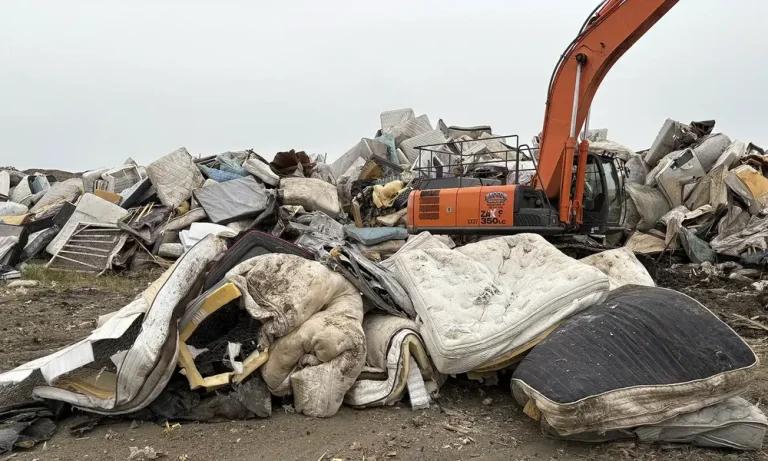
A single discarded mattress can swallow up precious landfill space for a century, yet millions pile up every year as cities struggle with one of waste management’s most stubborn problems. As urban populations surge and consumer cycles accelerate, the challenges of mattress disposal have become glaringly obvious, and the stakes for cities could not be higher.

Why Is Mattress Disposal a Growing Concern for Cities?

How Mattress Waste Volumes Are Increasing

The sheer number of mattresses discarded annually is staggering. In Canada alone, hundreds of thousands are thrown out each year, with the figure climbing alongside population growth and increased turnover in housing. Cities find themselves inundated as the lifespan of a typical mattress (about a decade) syncs with frequent moves and trends in consumer upgrades.

Environmental Impact of Traditional Mattress Disposal

When these bulky items end up in landfills, their blend of materials, foam, metal springs, textiles, creates a toxic cocktail that lingers for generations. Mattresses take up an outsized amount of space, delay decomposition of other waste, and release harmful chemicals and greenhouse gases as they eventually break down. The environmental toll is amplified when considering that each mattress could be recycled into reusable materials instead of polluting the soil and water.

Social and Economic Costs of Mattress Waste

Municipalities spend millions dealing with illegal dumping, collection logistics, and overburdened landfills. Neighborhood aesthetics suffer where mattresses accumulate on curbs or vacant lots. Perhaps less visible, but equally important, is the strain this places on sanitation workers and the missed opportunities for job creation in the recycling sector.

What Makes Mattresses Difficult to Dispose Of and Recycle?

Complex Materials and Construction

A mattress isn’t just cloth stretched over springs. It’s a complex, multi-layered product made from polyurethane foam, latex, steel, wood, adhesives, and sometimes flame retardants. Each component requires different recycling processes, making automated dismantling a technical challenge.

Challenges in Volume and Bulkiness

Even a single mattress is awkward to handle, but when collected in urban waste streams, they quickly overwhelm trucks, transfer stations, and landfills. Their springy frames often jam compaction equipment, slowing down overall waste processing.

Long Decomposition Time in Landfills

Mattresses are among the slowest household items to break down, often requiring up to 100 years to fully decompose. This means the consequences of today’s disposal practices will haunt cities for generations.

Which Environmental Challenges Arise from Mattress Landfilling?

Landfill Space Saturation and Overcapacity

Major cities already face landfill shortages. Mattresses, with their bulk and resistance to compression, accelerate the march toward overcapacity. Some municipalities now ship waste out of province or even out of country, further raising costs and environmental impact.

Pollution Risks from Mattress Components

As mattresses decay, their chemicals and synthetic fibers can leach into soil and groundwater. Flame retardants and petroleum-derived foams are of particular concern, as they introduce persistent pollutants with known health risks.

Contribution to the Global Waste Crisis

Mattress disposal is a microcosm of the wider waste crisis. With unsustainable landfilling practices, mattresses become part of an ever-growing backlog of non-biodegradable junk clogging the planet’s waste streams.

What Barriers Prevent Effective Mattress Recycling in Urban Areas?

Lack of Comprehensive Municipal Policies

Despite the urgency, most North American cities still lack policies mandating mattress recycling or producer responsibility. Voluntary initiatives often fall short, and without legislative teeth, large-scale change is slow.

Insufficient Recycling Infrastructure and Technology

Few facilities exist with the specialized machinery and expertise required to dismantle and recycle mattresses at scale. Urban areas may lack access to such infrastructure, leaving recycling as an expensive afterthought instead of a norm.

Economic and Logistical Challenges

Transportation, storage, and labor costs remain high, especially for bulky and dirty discarded mattresses. For many cities, the business case for mattress recycling is undermined by inadequate funding or challenging logistics.

How Are Innovative Companies Addressing Mattress Recycling?

Case Study: Recyc-Matelas’ Unique Approach

Some companies are rewriting the script. Recyc-Matelas Canada, established in 2007, stands out by offering large-scale mattress recycling equipped to handle the demands of major cities. Their proprietary technology separates and processes all major mattress components, delivering true zero-landfill solutions.

Technologies Enabling Large-Scale Mattress Dismantling

Recyc-Matelas and similar innovators leverage automation and custom-built machinery, allowing them to process hundreds of thousands of units annually. Their systems efficiently extract steel, foam, and fibers, ensuring that each part re-enters the manufacturing chain.

Social Benefits: Employment and Inclusion Initiatives

Beyond environmental gains, Recyc-Matelas champions inclusive hiring, offering stable jobs to individuals with intellectual disabilities and supporting both community well-being and economic development.

What Role Can Cities Play in Improving Mattress Waste Management?

Developing and Enforcing Recycling Mandates

Municipal regulations that require mattress recycling or ban landfilling of mattresses have proven effective elsewhere. By setting clear rules and expectations, cities lay the groundwork for change.

Collaborating with Specialized Recycling Firms

Partnerships with dedicated recyclers allow cities to access expertise, infrastructure, and economies of scale that would be impossible to build from scratch. These alliances are essential to making recycling streamlined and affordable.

Public Education and Collection Programs

Informing residents about the environmental harm of mattress dumping, and providing convenient disposal options, can dramatically increase compliance and participation in recycling efforts.

What Are the Future Prospects for Mattress Disposal and Recycling?

Emerging Technologies and Circular Economy Models

From chemical recycling to closed-loop manufacturing, new technologies hold promise for turning mattress waste into valuable raw materials. A true circular economy, where every mattress is recycled into the next, is increasingly within reach.

Policy Trends in North America and Europe

While Canada and the United States lag, Europe is setting a precedent with robust producer responsibility laws and high recycling rates. These policies pave the way for North American cities seeking proven frameworks.

Potential for Zero Waste Mattress Solutions

With the right blend of technology, policy, and public engagement, cities could eliminate mattress waste entirely. The road ahead is challenging, but as the crisis grows more urgent, momentum for sustainable solutions continues to build, offering hope that the mountains of discarded mattresses will one day be a thing of the past.


In recent years, climate change has emerged as one of the most pressing challenges facing our planet. Rising temperatures, extreme weather events, and the depletion of natural resources highlight the urgent need for action. At the forefront of this battle are climate change advocates, individuals and organizations dedicated to promoting environmental sustainability and driving policy changes. These advocates play a crucial role in raising awareness, influencing policy, and inspiring collective action toward a more sustainable future.

The Role of a Climate Change Advocate

A climate change advocate is someone who actively works to raise awareness about the environmental issues caused by climate change and promotes solutions to mitigate its impact. These advocates can come from various backgrounds, including science, politics, education, and grassroots movements. Their efforts range from pushing for legislative reforms and encouraging sustainable practices to organizing campaigns that demand action from governments, businesses, and individuals.

A Climate Change Advocate does not only focus on the scientific evidence of climate change but also highlights its social, economic, and health impacts. These advocates understand that combating climate change requires both awareness and concrete action across all sectors of society.

Influencing Policy and Legislation

One of the most significant ways that climate change advocates lead the fight for a sustainable future is by influencing policy and legislation. Through lobbying, organizing petitions, and working closely with policymakers, these advocates strive to ensure that climate change is prioritized in national and international agendas.

Prominent climate change advocates like Greta Thunberg and organizations such as 350.org have pushed for stricter regulations on greenhouse gas emissions, stronger environmental protection laws, and investments in renewable energy. Their efforts have led to the passing of important policies in countries across the world, including carbon pricing and the implementation of climate action plans aimed at reducing global warming.

Furthermore, climate change advocates play a key role in pushing businesses to adopt environmentally sustainable practices. They work alongside industries to ensure that corporations move toward net-zero emissions and invest in clean energy solutions. This advocacy not only affects the government sector but also shifts the corporate mindset towards long-term sustainability.

Raising Public Awareness and Educating Communities

Raising public awareness about the importance of climate action is another fundamental aspect of the work done by climate change advocates. They recognize that widespread knowledge and understanding are essential for driving collective action. This includes educating people about the science of climate change, its effects on biodiversity and human health, and the urgent need for sustainable lifestyles.

Through campaigns, public speaking engagements, documentaries, and educational outreach programs, climate change advocates foster a sense of responsibility within communities. They emphasize that climate change is not just an issue for scientists and policymakers but for everyone on the planet. This grassroots education is particularly important in empowering individuals to take practical steps in their daily lives, such as reducing energy consumption, using eco-friendly products, and supporting renewable energy sources.

By using social media platforms and other digital tools, climate change advocates reach a global audience, engaging people in climate-related conversations and encouraging them to take action. These efforts have been instrumental in mobilizing millions of people worldwide to demand greater climate action from governments and businesses.

Building Global Coalitions for Change

The fight for a sustainable future is a global effort, and climate change advocates understand that collaboration across borders is essential to combating this global issue. As such, they often work to build international coalitions that unite diverse stakeholders from different countries, industries, and sectors. Through organizations such as the United Nations Framework Convention on Climate Change (UNFCCC) and the Paris Agreement, climate change advocates have played a crucial role in pushing for international climate accords aimed at limiting global warming.

By uniting countries with shared goals, climate change advocates have been instrumental in encouraging governments to commit to ambitious climate targets. The Paris Agreement, which aims to limit global warming to below 2°C above pre-industrial levels, is one of the most significant achievements of the international climate movement.

Empowering the Next Generation

Climate Change Advocates

Another essential role of climate change advocates is empowering the next generation of environmental leaders. By inspiring young people and providing them with the tools and resources they need, climate change advocates help create a future where sustainable practices are deeply embedded in society.

Through youth-led organizations, climate strikes, and educational programs, young climate activists are making their voices heard. Advocates work to ensure that young people are not only educated about the challenges of climate change but also encouraged to become active participants in shaping the solutions. This intergenerational collaboration is vital to ensuring a sustained and ongoing movement toward a sustainable future.

Conclusion

Climate change advocates are leading the fight for a sustainable future by influencing policy, raising public awareness, building international coalitions, and empowering future generations. Their tireless efforts are helping to create a world where the impact of climate change is minimized, and sustainable practices are prioritized. As the global climate crisis continues to evolve, these advocates remain at the forefront, reminding us that collective action and sustained advocacy are essential to securing a healthy planet for future generations.

Their work exemplifies the power of individual and collective action in driving meaningful change for a better, more sustainable world.


Trees play a vital role in our lives. They are important not just aesthetically but also environmentally, economically, and socially. Their smart growth and sustainability are crucial for supporting life, preserving the natural landscape, and driving economic growth. Trees control environmental pollution, provide shade and heat protection, and improve air quality. More than half of all humans consume a large variety of nutrient-rich edible foods, including fruit, vegetables, and all nuts that grow in trees.
Here, we will explore some sustainable practices that are important for boosting tree health and growth.

Selecting Appropriate Materials and Techniques for Tree Care

By selecting appropriate materials, we can properly take care of plants and trees and contribute to environmental conservation. For better soil condition and tree growth, choose organic options as sustainable alternatives to traditional pesticides and fertilizers. Use biodegradable materials for soil fertility around the base of trees, as they retain moisture, reduce the need for excessive watering, prevent weed growth, and also provide protection against chemical treatments. The drip irrigation technique is also a sustainable practice for caring for trees. By using this technique, trees receive adequate hydration without straining local water resources.

Adequate Tree Maintenance

For long-term sustainability, proper tree maintenance is necessary. While promoting optimal growth, regular pruning and trimming are crucial as they help to maintain the health and shape of trees. To halt the spread of infection and secure the tree’s long-term survival, eliminate the dead or diseased branches. When planting new trees, select the native tree species to enhance biodiversity in your area. Native trees have adapted to the environment and support local wildlife. Further, enhanced tree services include appropriate tree spacing to facilitate ample airflow and sunlight, extending natural pest control by luring beneficial insects and birds to your garden, planting native flowers, establishing birdhouses, and offering water resources.

Reasonable Tree Removal and Waste Management

Due to safety concerns or tree diseases, tree removal becomes necessary sometimes. Diseased, damaged, or dead trees can significantly endanger both people and property, causing damage or injury. To protect other trees and plants, improve aesthetics, and prevent any hazardous risks, damaged tree removal is essential. Trees afflicted with disease or pest infections and overgrown trees with large, heavy branches make tree removal necessary. Tree removal is not always about getting rid of trees; in some cases, it is vital to have experts remove certain trees for safety. Tree removal is a dangerous task, especially for those who are not trained; therefore, when removing a tree, opt for professional services.

Selection of Proper Planting Site

In ensuring the sustainability of tree planting projects, the selection of an adequate planting site is a crucial aspect. Selecting the planting locations using a thorough strategic approach maximizes the environmental and social benefits. When you are choosing a planting place, consider ecological sustainability factors such as soil type, climate, and existing vegetation. Furthermore, water availability, long-term viability, and environmental and community considerations are also important. A proper site for tree seedlings with adequate water, nutrients, and sunlight is the key element to their success.