
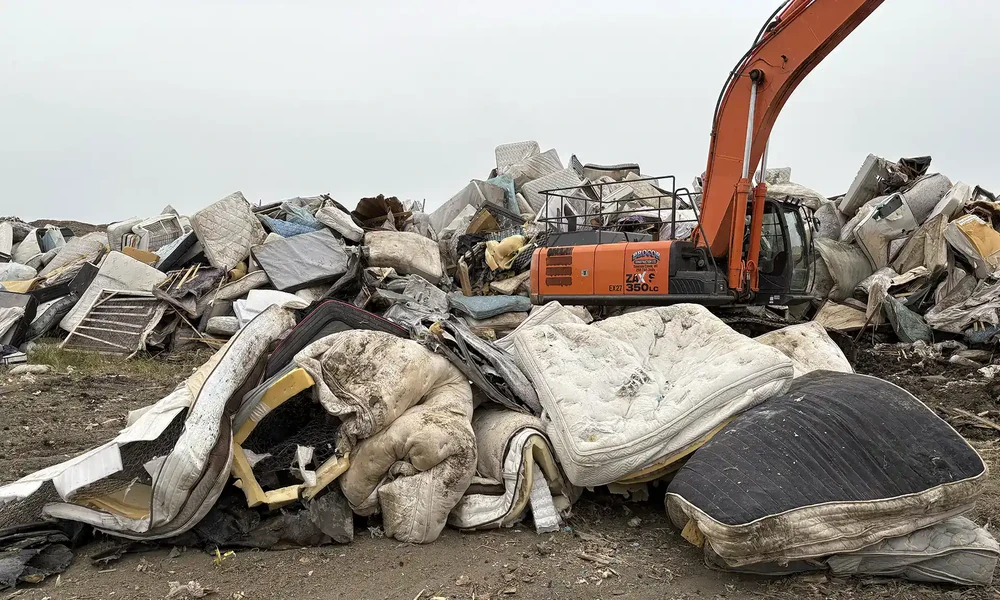
A single discarded mattress can swallow up precious landfill space for a century, yet millions pile up every year as cities struggle with one of waste management’s most stubborn problems. As urban populations surge and consumer cycles accelerate, the challenges of mattress disposal have become glaringly obvious, and the stakes for cities could not be higher.
Why Is Mattress Disposal a Growing Concern for Cities?
How Mattress Waste Volumes Are Increasing
The sheer number of mattresses discarded annually is staggering. In Canada alone, hundreds of thousands are thrown out each year, with the figure climbing alongside population growth and increased turnover in housing. Cities find themselves inundated as the lifespan of a typical mattress (about a decade) syncs with frequent moves and trends in consumer upgrades.
Environmental Impact of Traditional Mattress Disposal
When these bulky items end up in landfills, their blend of materials, foam, metal springs, textiles, creates a toxic cocktail that lingers for generations. Mattresses take up an outsized amount of space, delay decomposition of other waste, and release harmful chemicals and greenhouse gases as they eventually break down. The environmental toll is amplified when considering that each mattress could be recycled into reusable materials instead of polluting the soil and water.
Social and Economic Costs of Mattress Waste
Municipalities spend millions dealing with illegal dumping, collection logistics, and overburdened landfills. Neighborhood aesthetics suffer where mattresses accumulate on curbs or vacant lots. Perhaps less visible, but equally important, is the strain this places on sanitation workers and the missed opportunities for job creation in the recycling sector.
What Makes Mattresses Difficult to Dispose Of and Recycle?
Complex Materials and Construction
A mattress isn’t just cloth stretched over springs. It’s a complex, multi-layered product made from polyurethane foam, latex, steel, wood, adhesives, and sometimes flame retardants. Each component requires different recycling processes, making automated dismantling a technical challenge.
Challenges in Volume and Bulkiness
Even a single mattress is awkward to handle, but when collected in urban waste streams, they quickly overwhelm trucks, transfer stations, and landfills. Their springy frames often jam compaction equipment, slowing down overall waste processing.
Long Decomposition Time in Landfills
Mattresses are among the slowest household items to break down, often requiring up to 100 years to fully decompose. This means the consequences of today’s disposal practices will haunt cities for generations.
Which Environmental Challenges Arise from Mattress Landfilling?
Landfill Space Saturation and Overcapacity
Major cities already face landfill shortages. Mattresses, with their bulk and resistance to compression, accelerate the march toward overcapacity. Some municipalities now ship waste out of province or even out of country, further raising costs and environmental impact.
Pollution Risks from Mattress Components
As mattresses decay, their chemicals and synthetic fibers can leach into soil and groundwater. Flame retardants and petroleum-derived foams are of particular concern, as they introduce persistent pollutants with known health risks.
Contribution to the Global Waste Crisis
Mattress disposal is a microcosm of the wider waste crisis. With unsustainable landfilling practices, mattresses become part of an ever-growing backlog of non-biodegradable junk clogging the planet’s waste streams.
What Barriers Prevent Effective Mattress Recycling in Urban Areas?
Lack of Comprehensive Municipal Policies
Despite the urgency, most North American cities still lack policies mandating mattress recycling or producer responsibility. Voluntary initiatives often fall short, and without legislative teeth, large-scale change is slow.
Insufficient Recycling Infrastructure and Technology
Few facilities exist with the specialized machinery and expertise required to dismantle and recycle mattresses at scale. Urban areas may lack access to such infrastructure, leaving recycling as an expensive afterthought instead of a norm.
Economic and Logistical Challenges
Transportation, storage, and labor costs remain high, especially for bulky and dirty discarded mattresses. For many cities, the business case for mattress recycling is undermined by inadequate funding or challenging logistics.
How Are Innovative Companies Addressing Mattress Recycling?
Case Study: Recyc-Matelas’ Unique Approach
Some companies are rewriting the script. Recyc-Matelas Canada, established in 2007, stands out by offering large-scale mattress recycling equipped to handle the demands of major cities. Their proprietary technology separates and processes all major mattress components, delivering true zero-landfill solutions.
Technologies Enabling Large-Scale Mattress Dismantling
Recyc-Matelas and similar innovators leverage automation and custom-built machinery, allowing them to process hundreds of thousands of units annually. Their systems efficiently extract steel, foam, and fibers, ensuring that each part re-enters the manufacturing chain.
Social Benefits: Employment and Inclusion Initiatives
Beyond environmental gains, Recyc-Matelas champions inclusive hiring, offering stable jobs to individuals with intellectual disabilities and supporting both community well-being and economic development.
What Role Can Cities Play in Improving Mattress Waste Management?
Developing and Enforcing Recycling Mandates
Municipal regulations that require mattress recycling or ban landfilling of mattresses have proven effective elsewhere. By setting clear rules and expectations, cities lay the groundwork for change.
Collaborating with Specialized Recycling Firms
Partnerships with dedicated recyclers allow cities to access expertise, infrastructure, and economies of scale that would be impossible to build from scratch. These alliances are essential to making recycling streamlined and affordable.
Public Education and Collection Programs
Informing residents about the environmental harm of mattress dumping, and providing convenient disposal options, can dramatically increase compliance and participation in recycling efforts.
What Are the Future Prospects for Mattress Disposal and Recycling?
Emerging Technologies and Circular Economy Models
From chemical recycling to closed-loop manufacturing, new technologies hold promise for turning mattress waste into valuable raw materials. A true circular economy, where every mattress is recycled into the next, is increasingly within reach.
Policy Trends in North America and Europe
While Canada and the United States lag, Europe is setting a precedent with robust producer responsibility laws and high recycling rates. These policies pave the way for North American cities seeking proven frameworks.
Potential for Zero Waste Mattress Solutions
With the right blend of technology, policy, and public engagement, cities could eliminate mattress waste entirely. The road ahead is challenging, but as the crisis grows more urgent, momentum for sustainable solutions continues to build, offering hope that the mountains of discarded mattresses will one day be a thing of the past.

Comments are closed.