
Key Takeaways
Nitinol, a nickel-titanium alloy, is celebrated for its superelastic and shape memory properties. These features significantly enhance patient care by reducing tissue trauma and speeding up recovery periods.
The flexibility this material offers enables the creation of lower-profile medical devices, thereby improving access during minimally invasive procedures.
Compared to traditional metal stents, nitinol stents demonstrate fewer complications and higher success rates, resulting in better patient outcomes across various medical interventions.
Nitinol’s impressive fatigue resistance means medical devices endure less wear and tear, ensuring long-term reliability and success in addressing complex medical conditions.
This alloy’s biocompatibility lowers the chances of inflammatory responses in patients, making it a safer alternative to conventional materials like stainless steel.
Healthcare systems can realize substantial long-term savings by investing in nitinol, thanks to decreased complication rates and fewer required follow-up procedures.
Looking ahead, the horizon for nitinol in medical devices is promising, with ongoing advancements in surgical robotics and tailored medicine, including the exciting potential for fully dissolvable devices in cardiac care.
Why Nitinol is the Future of Medical Technology
Exploring its Unique Properties for Healthcare Innovations
The healthcare sector is currently witnessing a surge in interest for nitinol, the nickel-titanium alloy. This surge is primarily due to its abilities in superelasticity and shape memory. These remarkable characteristics enable devices to withstand significant stress and return to their original shapes when heated. It’s a mechanical marvel that revolutionizes patient care, particularly as professionals suggest these traits can reduce tissue trauma and enhance recovery times.
However, nitinol is more than just a technological novelty; it addresses long-standing challenges in medical treatments. Traditional materials often necessitate bulky designs due to their rigidity. Thanks to nitinol’s inherent flexibility, lower-profile designs become possible, allowing for improved access during minimally invasive procedures.
The implications are significant. From guiding catheters to supporting vascular implants, nitinol in medical devices enables a level of precision that was once beyond reach. Emphasizing personalized medicine, the application of nitinol can lead to improved outcomes for patients. Research indicates a notable reduction in complications when nitinol stents are employed instead of conventional options.
How Nitinol Shake ups Patient Treatment Outcomes
The groundbreaking properties of nitinol deliver real-world benefits. Its superior fatigue resistance means that medical devices endure less wear when compared to traditional alternatives. Stents made from nitinol provide reliable performance, demonstrating durability that encourages long-term success rates. The combination of strength and flexibility advances the treatment of complex conditions.
Consider urology as one example. Devices designed with nitinol navigate intricate anatomical pathways, offering minimally invasive solutions for issues that once required extensive surgical interventions. That’s noteworthy! Patients enjoy reduced pain and quicker recovery times, all thanks to innovations focusing on effectiveness and comfort.
In cardiology, nitinol is breaking new ground in treating peripheral artery disease. By effectively reopening narrowed arteries, it not only facilitates improved blood flow but also enhances patients’ overall quality of life. Each iteration of medical devices using this alloy grants professionals deeper insight into its applications and capabilities, further amplifying the development of improved healthcare solutions.
Applications of Nitinol in Surgical Devices
From Stents to Guidewires: Nitinol’s Versatility in Action
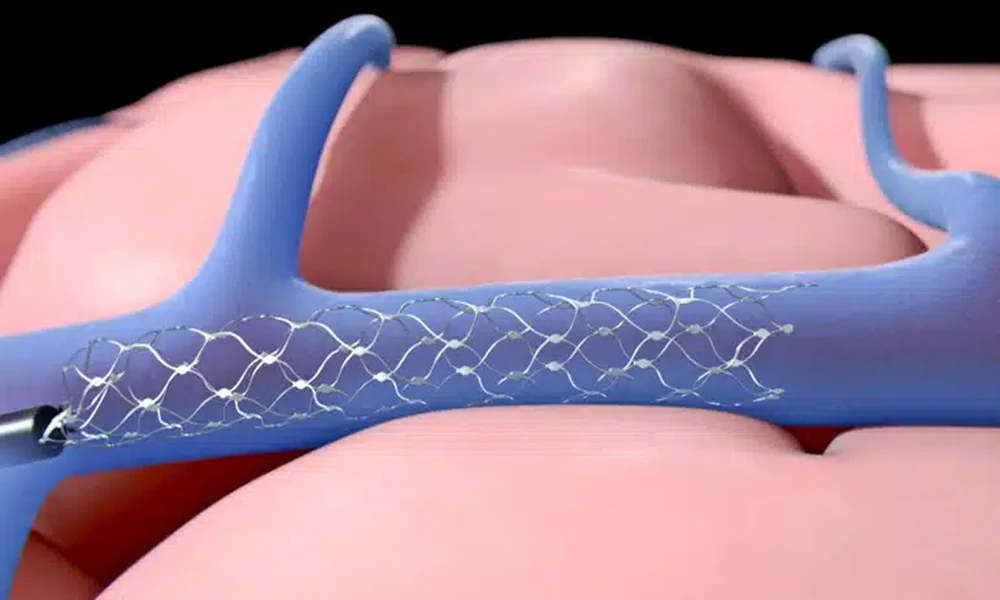
When examining the applications of nitinol, its significance becomes clear. For instance, stents made from this remarkable material offer unmatched support to blood vessels. They act as critical lifelines in medical interventions. Once deployed, nitinol stents seamlessly adapt to the vessel’s shape, significantly lowering the risk of restenosis, which frequently occurs with conventional stents.
In addition, guidewires have benefitted immensely from the unique properties of nitinol. These wires must traverse complex vascular pathways without damaging delicate tissues, and nitinol’s flexibility and responsiveness make it ideal for such tasks, greatly enhancing procedural efficiency.
- Endovascular stents: Leading new methods for addressing vascular diseases.
- Guidewires: Boosting precision for intricate procedures.
- Filter devices: Preventing embolization while ensuring continued blood flow.
The versatility of nitinol also extends to orthopedic devices. Its natural strength contributes to the effectiveness of cages, screws, and plates intended for bone fixation. The blend of strength, lightness, and flexibility markedly enhances surgical outcomes.
Case Studies: Success Stories in Minimally Invasive Surgery
Several case studies shine a light on the invaluable impact of nitinol in minimally invasive surgeries. A notable example involves nitinol ring markers utilized in prostate cancer treatments, where physicians have noted remarkable accuracy in targeting tumors while preserving adjacent tissues. This precision not only leads to fewer side effects but also contributes to better recovery experiences for patients.
Another impressive success story emerges from percutaneous transluminal angioplasty (PTA). Deploying nitinol stents during PTA has yielded substantial success rates, often exceeding those of traditional stents. Patients experience significantly lower occurrences of restenosis, extending the efficacy of treatments. At a biological level, these innovations are truly significant.
“Nitinol is redefining what’s possible in surgery; it creates outcomes once deemed unthinkable.”
In pediatric applications, the versatility of nitinol offers valuable advantages. Due to the unique challenges posed by growing children, using adaptable materials like nitinol ensures that medical devices can adjust to physical changes over time.
Comparing Nitinol with Traditional Materials in Medical Devices
Strength, Flexibility, and Safety: A Data-Driven Analysis
Contrasting nitinol with traditional materials such as stainless steel or polymer composites reveals significant differences. Conventional materials often struggle to balance strength and flexibility, forcing engineers to make tough decisions about design and function. Nitinol, however, gives professionals both desirable attributes.
The challenge of reconciling strength with flexibility is particularly noticeable in stents. Reports show that nitinol stents not only exhibit exceptional radial strength but can endure repeated bending cycles without failing. What does this mean for patients? A reduced risk of device failure and fewer complications.
- Improved flexibility: Nitinol’s elasticity enables devices to navigate complex anatomies.
- Greater lifespan: Devices wear less over time, providing durable solutions.
- Reduced trauma: Softer materials lessen damage to surrounding tissues during insertion.
Examinations of safety profiles reveal a compelling narrative. While traditional materials can provoke an inflammatory response when implanted, nitinol’s biocompatibility means it’s less likely to elicit adverse reactions. In the pursuit of patient safety, nitinol clearly stands out as a leader.
Cost-Effectiveness: Is Nitinol Worth the Investment?
Considering the investment in nitinol versus traditional materials necessitates a balanced perspective. Although upfront costs for nitinol can be higher, the long-term advantages frequently overshadow initial outlays. Professionals often mention reduced complication rates and fewer hospital readmissions when using devices made from nitinol. That’s solid, data-driven validation of its value.
Upon closer inspection, it becomes clear that enhanced performance of these devices lessens the need for follow-up procedures. This eventuality translates into significant cost savings for healthcare facilities, leading to a more efficient allocation of resources. Embracing the broader vision, investing in nitinol can lower lifetime costs related to managing chronic health issues.
“Investing in nitinol isn’t just financial; it’s an investment in better patient outcomes.”
Healthcare providers should consider weighing these potential long-term savings against the initial costs of materials. The dialogue surrounding cost-effectiveness transcends mere figures; it encompasses the ethics of providing optimal patient care.
What to Expect When Implementing Nitinol in Medical Designs
Best Practices for Manufacturers Venturing into Nitinol
For manufacturers eager to adopt nitinol, grasping its complex processing is essential. Although working with this material presents challenges, the rewards justify the efforts involved. Professionals advocate for close cooperation with material engineers and biomaterials specialists to ensure designs are practical and production processes are fine-tuned.
- Material testing: Conduct comprehensive assessments to learn how nitinol performs under varied conditions.
- Circuit design: Ensure designs accommodate nitinol’s unique properties.
- Process optimization: Tailor manufacturing methods specifically for nitinol to circumvent common pitfalls.
Sourcing top-quality nitinol is yet another vital consideration. While the market is maturing, variations among suppliers still exist. Expertise in procurement can greatly impact the success of development efforts.
The Future Landscape of Nitinol: Trends and Predictions
Looking ahead, the future of nitinol in medical devices appears bright. Professionals anticipate expanded applications, especially in sophisticated surgical robotics and personalized medicine. The unique adaptability of nitinol is likely to play a pivotal role in the miniaturization of devices, a leading trend shaping modern medical technology.
Experts predict a rise in interest for fully dissolvable devices, particularly in cardiac procedures. Nitinol’s biocompatibility and customizable mechanical properties position it ideally to meet the demands of such advancements. It’s an exhilarating time for research and innovation, with tremendous potential awaiting exploration in the medical domain.
Whether enhancing existing technologies or conceiving the next big innovation, nitinol stands ready at the leading edge of medical device technology.
FAQ
What makes nitinol different from other alloys used in medical devices?
Nitinol distinguishes itself through its unique combination of superelasticity and shape memory. This allows it to endure significant stress and return to its original shape, which enhances device functionality and patient outcomes.
How does using nitinol impact surgical procedures?
Utilizing nitinol notably increases precision in surgical procedures. Its flexibility allows medical devices to navigate complex anatomical pathways with much greater ease, resulting in less invasive interventions and shorter recovery durations for patients.
What role does nitinol play in personalized medicine?
Nitinol’s adaptability enables tailoring for specific patient needs, making it an essential component of personalized medicine. Its ability to conform to individual anatomical differences promotes custom solutions that enhance treatment efficacy.
Are there specific medical fields where nitinol is more beneficial?
A range of medical fields have identified significant advantages from utilizing nitinol, especially in cardiology and urology. For instance, nitinol stents are particularly effective in managing peripheral artery disease, while in urology, they facilitate minimally invasive treatments with minimal patient trauma.
What should manufacturers consider when transitioning to nitinol?
When moving to nitinol, manufacturers should focus on material testing and process optimization. Gaining a thorough understanding of its distinct properties and collaborating closely with material engineers is key to ensuring that designs meet performance standards and production methods run smoothly.
How do nitinol devices compare in cost-effectiveness?
While the initial cost for nitinol devices might be greater, the long-term cost savings associated with fewer complications and reduced procedures often justify this investment. Consequently, it emerges as a strategic decision for healthcare providers committed to patient care.
What are the advancements expected in nitinol technology?
Future developments in nitinol technology include advancements aimed at fully dissolvable medical devices and improved miniaturization. These changes will likely expand its utilization, making it even more versatile and advantageous in the medical arena.
Can nitinol be used in pediatric applications?
Absolutely; nitinol’s flexibility and adaptability render it an excellent option for pediatric applications. Its capacity to adjust to the physical growth of children ensures that devices maintain effectiveness and safety throughout various growth stages.
Useful Resources
- American Elements – Nitinol Overview
- National Center for Biotechnology Information – Research on Nitinol
- Karlsruhe Institute of Technology – Materials Research
- U.S. Department of Health and Human Services – Health Policy Resources
- American College of Radiology – Standards in Medical Imaging
- ASEAN Medical Journal – Health Publications and Research
- American Society of Mechanical Engineers – Engineering Resources
- Johnson Matthey – Resource on Advanced Materials in Medical Technology

Comments are closed.