
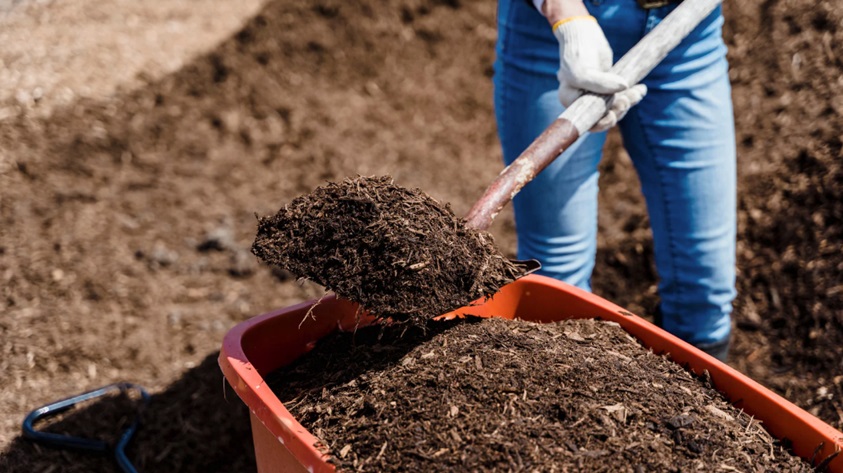
Mulch offers numerous benefits in landscaping, from moisture retention and weed suppression to enhancing soil health and aesthetics. However, one often overlooked concern is its potential impact on pest activity. Understanding the relationship between mulch and insects is essential for homeowners and landscapers looking to strike the right balance between beauty and pest prevention. By selecting the right mulch in Milton and applying it properly, you can minimize the risk of attracting unwanted pests.
Choosing the right type of mulch and maintaining it correctly can make all the difference in keeping your landscape healthy and pest-resistant.
How Mulch Affects Pest Activity
Organic mulches such as bark, wood chips, and straw are known to retain moisture—an ideal condition for insects like ants, termites, and earwigs. While not all insects are harmful, certain pests can cause damage to plants or even invade nearby structures.
To reduce the risk of pest issues, it’s crucial to maintain mulch properly. Avoid piling mulch too close to the base of trees or structures. A good rule of thumb is to keep a few inches of space around plant stems and home foundations to discourage nesting.
Another important consideration is knowing how long bark mulch lasts. Over time, mulch breaks down, creating a soft, damp environment that may become a haven for insects if not replenished or monitored. Refreshing mulch annually or as needed prevents excessive decomposition that might otherwise contribute to pest buildup.
Best Practices for Mulch Application and Pest Control
The way you apply mulch is just as important as the type you choose. Apply mulch in layers of no more than 2 to 3 inches. Thicker layers may trap moisture, encouraging pests and promoting fungal growth. Always ensure proper drainage in mulched areas, and avoid using mulch in areas prone to water pooling.
Inorganic mulch options like rubber or gravel offer alternatives that are less inviting to pests but lack the soil-enhancing properties of organic types. If organic mulch is preferred for its nutrients and aesthetics, applying it carefully and monitoring its condition can still keep pest concerns in check.
Equally important is understanding how to handle mulch deliveries efficiently. Many pest issues arise from improper storage or rushed application. Being well-prepared, as described in preparing for your mulch delivery, ensures you apply the material evenly and avoid stacking it in a way that traps moisture or harbors pests.
Keeping mulch dry and spreading it shortly after delivery helps reduce the likelihood of mold or insect infestations forming in storage piles.
Conclusion
Mulch is a powerful tool for creating a thriving, low-maintenance landscape, but its benefits can quickly diminish if pest control is not taken into consideration. By selecting high-quality mulch in Milton, applying it correctly, and managing moisture levels, you can enjoy all the functional and aesthetic benefits of mulch without increasing pest problems.
Knowing how long mulch lasts and how to prepare for its application ensures that your landscape remains healthy, vibrant, and pest-free throughout the seasons. With the right practices in place, mulch becomes not only a visual asset but also a smart solution for long-term garden health and protection.

Comments are closed.