
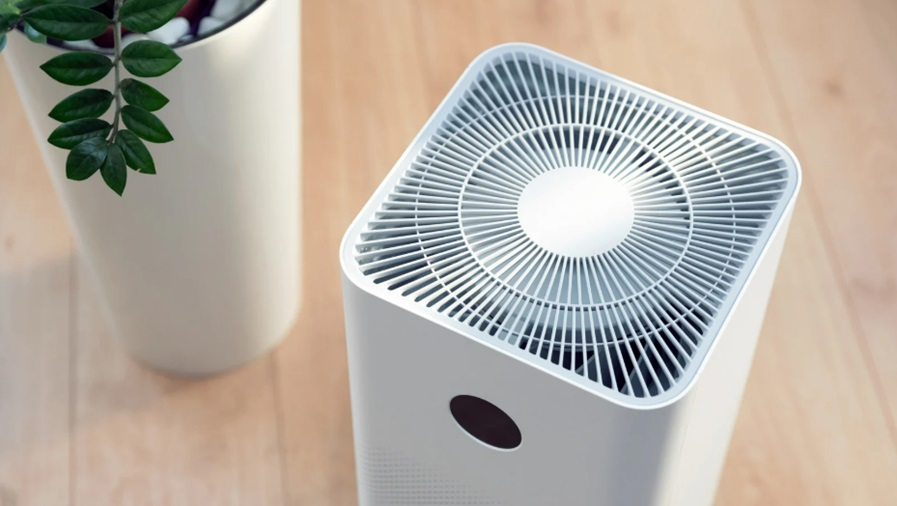
Many people are surprised to learn that indoor air can be more polluted than outdoor air. Dust, allergens, pet dander, mold spores, and volatile organic compounds (VOCs) can accumulate in closed environments, compromising the health of everyone inside. Long-term exposure to indoor contaminants has been linked to respiratory issues, allergies, and other health problems, especially in children and seniors.
Maintaining healthy indoor air quality in Port Charlotte is crucial for families residing in warmer, more humid regions, where closed windows and continuous HVAC use can trap pollutants within the home.
Identify the Sources of Indoor Contaminants
The first step in protecting your family is understanding where airborne pollutants originate. Common culprits include household cleaning products, tobacco smoke, cooking fumes, and synthetic building materials. Poor ventilation allows these contaminants to accumulate over time, thereby reducing overall air quality.
Even everyday activities such as burning candles, using certain air fresheners, or painting walls can release VOCs into the air. Pet hair and dust mites can also contribute significantly, especially in homes with carpeting or heavy drapery. Once you identify these sources, you can take targeted steps to address them.
Improve Ventilation and Airflow
A well-ventilated home reduces the concentration of airborne contaminants by circulating fresh outdoor air throughout the interior. This can be achieved by opening windows when weather permits, using exhaust fans in kitchens and bathrooms, and investing in a quality ventilation system.
In regions where weather conditions make natural ventilation challenging, modern HVAC systems are designed to manage both airflow and filtration. Understanding the factors that lead to poor indoor air quality helps homeowners recognize when their HVAC system may need maintenance or an upgrade to better control dust and moisture levels.
High-efficiency air filters, UV purification systems, and dehumidifiers can all be integrated into existing HVAC setups to support cleaner indoor air and reduce microbial growth.
Consider the Impact of Home Design
Home layout and materials also play a role in air quality. The way a home is sealed and insulated, the types of materials used in floors and walls, and even the placement of windows can affect ventilation and airflow. This is why it’s helpful to understand how modern building designs influence indoor air quality. Certain construction choices can either trap contaminants or support healthier air movement.
For example, airtight homes with poor ventilation may retain heat efficiently but often circulate stale, pollutant-laden air. Modern designs often incorporate smart airflow strategies, non-toxic materials, and efficient ventilation systems to minimize these issues.
Regular Cleaning and Maintenance
Routine cleaning helps control the dust and dander that naturally collect in a home. Vacuuming with HEPA filters, wiping surfaces with non-toxic cleaners, and cleaning air vents can significantly reduce the presence of airborne irritants. Equally important is maintaining HVAC systems by changing filters regularly and scheduling professional inspections.
Without ongoing maintenance, even the most advanced air systems can become breeding grounds for mold, bacteria, and dust accumulation, putting your family’s health at risk.
Conclusion
Protecting your family from indoor airborne contaminants involves a combination of awareness, prevention, and technology. By identifying pollutant sources, improving airflow, and maintaining your HVAC system, you can create a safer and healthier living environment. A proactive approach ensures that the air inside your home remains clean, fresh, and breathable.

Comments are closed.