
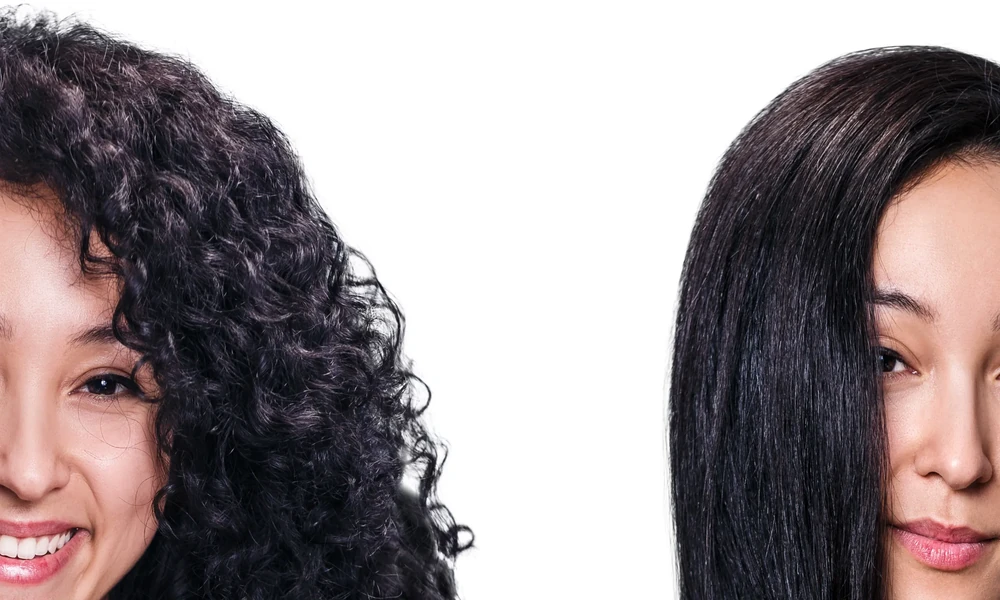
Managing curly hair can feel like a never-ending experiment in patience and product trial-and-error. One morning, your curls might spring and shine. By afternoon, humidity or dryness can unravel everything, leaving you wrestling with frizz and knots.
The Challenges of Managing Curly Hair Texture
Curly hair rarely comes with an instruction manual. From inconsistent curl patterns to unpredictable volume, even daily care can be a challenge. Routine frustrations include detangling, breakage, and fighting persistent frizz. Simple activities like brushing or sleeping can turn neat spirals into unmanageable tangles.
How Curl Patterns Affect Hair Care Choices
Not all curls are created equal. Loose waves behave differently from tight coils, and the products or routines that work for one person may lead to disaster for another. Those with mixed curl patterns often need to switch up products between sections of their own hair. This complexity means seeking solutions that can cater to your unique texture, without sacrificing health or identity.
The Impact of Environmental and Chemical Damage on Curls
Sun exposure, hard water, and pollution can dry and weaken curly hair. Add chemical processes like coloring or relaxers, and curls can lose their bounce, becoming more difficult to style. Over time, this damage leads to brittle strands and increased frizz, making everyday maintenance even harder.
Understanding Hair Smoothing Treatments
So what exactly are hair smoothing treatments, and how can they help? At their core, these are salon or at-home processes designed to temporarily alter the hair’s texture, making it sleeker, softer, and easier to manage.
Different Types: Keratin, Brazilian Blowout, and More
Smoothing treatments range from traditional keratin infusions to Brazilian blowouts and newer, customizable systems. Some are formaldehyde-based, while others rely on amino acids or plant-based components. Each method targets the cuticle, sealing it so hair lays flatter, reflecting more light and resisting humidity.
Science Behind Hair Smoothing: How It Alters Curl Structure
The treatment works by rearranging some of the bonds inside the hair shaft. Rather than straightening completely, many modern formulas relax curls just enough to reduce frizz and enhance shine. Science-backed options, like the ProAddiction USA hair smoothing treatment, give professionals tools to customize results, from subtle softening to near-pin-straight, depending on your preference.
Benefits of Hair Smoothing for Curly Hair
Enhancing Manageability and Reducing Frizz
Imagine stepping out the door and knowing your style will actually last through heat or drizzle. Smoothing treatments provide that confidence, less time wrestling with unruly hair, more time enjoying it. You’ll spend fewer minutes detangling and more time with effortlessly beautiful curls or waves.
Customizing Texture Without Losing Natural Curl Identity
A key misconception is that smoothing treatments erase all natural texture. In reality, high-quality systems can be tailored to keep your curl pattern, just softer and more defined. This lets you embrace your unique look, not mask it.
Longevity and Maintenance Advantages
With some smoothing treatments lasting up to three months, you can enjoy weeks of polished hair with minimal touch-ups. The reduced need for daily heat styling also helps prevent long-term damage.
Potential Risks and Myths About Hair Smoothing
Addressing Concerns About Hair Damage and Chemicals
There has been plenty of debate about the safety of hair smoothing treatments. While outdated formulas may have exposed clients to harsh chemicals, today’s professional-grade options are formulated with safety top of mind. Still, proper application by a trained stylist is essential for minimizing risk.
Debunking Common Misconceptions
It’s not true that all smoothing treatments destroy curls or that they’re only for those seeking straight hair. Advances in technology now allow for varying levels of smoothing, preserving as much texture as you like.
Choosing Safe and Professional Salon Treatments
Always look for a treatment that is transparent about ingredients and backed by professional education, like the system offered by ProAddiction USA. Trained stylists can assess your hair for underlying health issues and customize the formula accordingly.
How to Choose the Right Hair Smoothing Treatment for Your Curls
Start by considering your hair’s natural curl type, previous treatments, and your style goals. Consult with a trusted stylist and discuss a patch test, especially if you’ve experienced reactions in the past. While DIY kits exist, professional application not only ensures safety but better results.
Preparing for a Hair Smoothing Treatment
Treat your hair gently before your appointment: avoid clarifying shampoos or harsh styling, and arrive with clean, product-free hair if your stylist recommends. During the process, you’ll likely sit through several steps, application, heat sealing, rinsing, and final styling. Expect to follow some aftercare rules, like avoiding ponytails or moisture for a couple of days.
Maintaining and Enhancing Results After Hair Smoothing
Your stylist will suggest gentle sulfate-free shampoos and lightweight conditioners to prolong the effects. Touch-ups every few months can keep your texture consistent, while healthy habits like silk pillowcases and regular trims further enhance the results.
Taking Action: Finding the Right Professional and Making the Decision
Before committing, ask your stylist about their experience, product safety, and expected results. Realistic expectations are crucial, no treatment delivers perfection, but the right one can grant true freedom to embrace your hair, whether sleek, wavy, or softly defined. For many, hair smoothing is less about changing identity and more about unlocking new possibilities for self-expression.
Texture is about choice. With modern hair smoothing, your curls meet science, and the results can be truly transformative.

Comments are closed.