
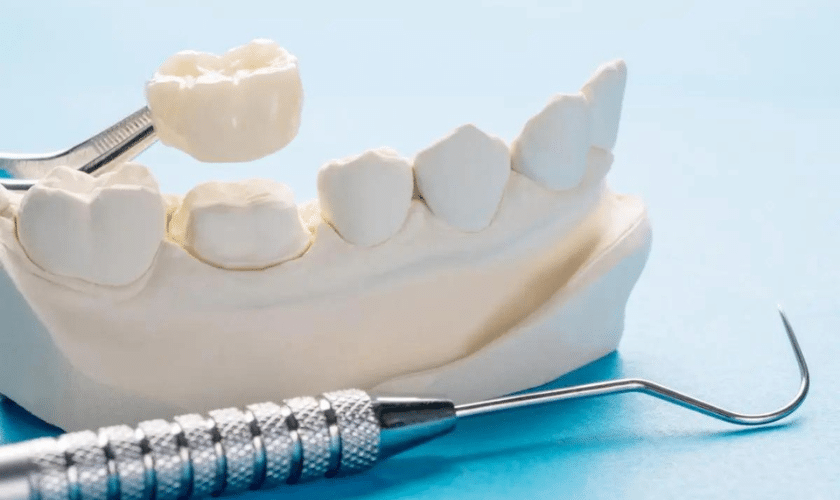
Dental crowns help restore the function and shape of teeth affected by cracks or fractures. They are created to fit over the existing tooth, forming a stable surface that blends with nearby teeth. The crown covers the entire tooth above the gum line, offering both structure and support.
Dentists may recommend crowns when a tooth has lost its natural strength due to decay or injury. A crown acts as a cover, protecting the inner layers from additional pressure. Patients who choose dental crowns in NYC usually seek efficient solutions to preserve their original teeth.
Why Crowns Are Used for Tooth Damage
A cracked or weakened tooth can still remain in the mouth when supported correctly. Rather than removing the tooth, a crown can offer strength and coverage to keep it intact. It helps prevent the damage from spreading deeper into the root or surrounding teeth, allowing the patient to avoid more extensive procedures.
Dentists in NYC assess the severity of the damage before choosing this treatment. If the crack does not reach the root and the tooth structure remains mostly intact, the crown can secure it in place. In situations involving large fillings or worn surfaces, a crown may be the preferred option to keep the area protected over time.
Steps to Complete a Crown Procedure
The placement of a crown typically takes two separate appointments at the dental office. During the first visit, the dentist reshapes the tooth and takes an impression to guide the final design of the crown. A temporary version is applied to protect the area while the lab fabricates the permanent crown using the selected material.
Once the permanent crown is ready, the dentist checks its fit and bite alignment before attaching it with dental adhesive. After placement, the patient can resume eating and speaking with comfort. The crown functions like a natural tooth and requires no special maintenance beyond regular brushing, flossing, and dental checkups.
Materials Used in Dental Crowns
Crowns come in several types of materials, each suited to different parts of the mouth or patient preferences. Porcelain is commonly chosen for front teeth because of its natural appearance, while metal or porcelain-fused-to-metal can be better for back teeth that endure more biting force. Some patients may also choose resin or ceramic options depending on specific goals and comfort levels.
Each material offers a balance of appearance, strength, and wear resistance. Dentists help determine the right choice based on the tooth’s location, daily use, and aesthetic concerns. Many patients seeking dental crown treatments in NYC consult with their providers to choose the most suitable material for their needs.
Benefits of Dental Crowns After Placement
After the final crown is bonded to the tooth, patients usually notice a smoother daily experience when eating and speaking. The crown fits securely and requires no extra effort to maintain, blending into the patient’s routine like any natural tooth. Some of the practical benefits NYC patients may experience from dental crowns include:
- Reinforcing the tooth’s structure and shape
- Improving bite strength and comfort
- Preventing future damage or tooth decay
- Enhancing the natural appearance of the smile
- Supporting nearby teeth and jaw function
Access to Crown Treatments in NYC
Patients in NYC have access to dental professionals who provide focused crown treatments tailored to individual needs. Many local offices offer detailed consultations, modern equipment, and a streamlined process that helps patients complete their treatment efficiently. The availability of experienced providers in the area allows for flexible scheduling and support throughout each step. Those seeking dental crowns can expect a clear explanation of options, transparent procedures, and timely follow-ups from nearby practices equipped to handle a range of dental concerns.
Dental crowns in NYC give patients a reliable way to restore cracked or damaged teeth with minimal disruption. These restorations provide coverage, support, and stability without altering neighboring teeth. A crown helps preserve the natural tooth and encourages long-term oral health through regular dental care.

Comments are closed.