
Category

Industry

Category

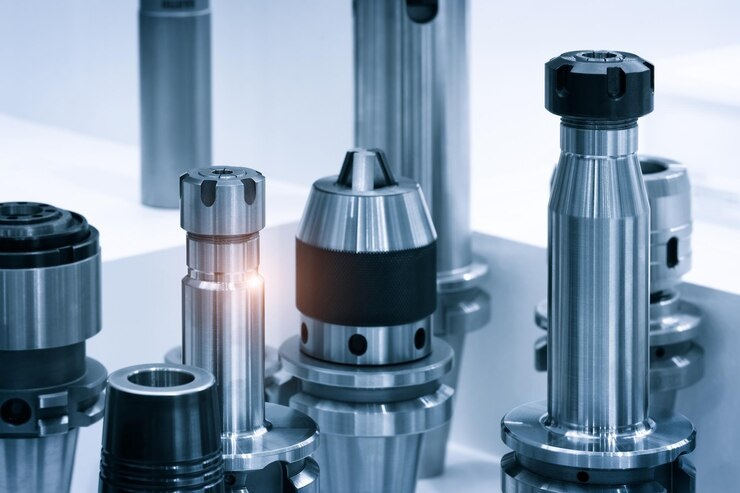
The engineering and automotive mechanical industries rely on shaft couplings as vital parts of their machinery and operations. The purpose of these couplings is to safely join two shafts together while letting them spin or move independently without causing any damage.

Choosing the correct FF shaft coupling bearing (ลูกปืนจับยึดปลายเพลา FF, which is the term in Thai) for your application is crucial for achieving the best level of reliability. This article will provide all the information you need about shaft couplings, including what they are and their kinds.

Define Shaft Coupling

Shaft couplings are designed to transfer power from one rotating shaft to another with minimal energy loss and to compensate for shaft misalignment. Additionally, many kinds of shaft couplings might lend a hand with supplementary operational tasks.

Shaft coupling Types

Beam Couplings

In most cases, a beam coupling with one or more helical cuts in the coupling body can handle angular misalignments of up to seven degrees and parallel misalignments of up to 0.025 inches.

Bellows Couplings

Their excellent torsional stiffness—provided by their many metal convolutions—is crucial for locating applications. Compared to beam couplings, their torsional stiffness limits the amount of angular and parallel misalignment they can allow.

Jaw Couplings

Couplings with curved or straight jaws, which include elastomeric spiders and pairs of multi-jawed hubs, are utilised for light power transfer and motion control. A torque gearbox without backlash is possible because of the design.

Diaphragm Couplings

In turbomachinery and other high-power gearbox applications, diaphragm couplings are the norm. Typically, they use a diaphragm stack to transfer power from the driving machinery to an inner spacer shaft, which transfers power to one or more flexible metal convoluted discs.

Disc Couplings

Disc couplings attach to the shaft hubs using one or more discs in a single or two-stage design. Their thin metal discs are flexible enough to transmit torque and account for angular misalignment, making them ideal for power transmission. A typical application for them is coupling high-horsepower motors, gas turbines, etc., to loads due to the tremendous torques they can convey.

Gear Couplings

Gear couplings can also transmit high torques. They are typically capable of misalignment to 2 degrees in angular and 0.01-0.02 inches in parallel.

Oldham Couplings

The movable element architecture of Oldham couplings allows them to handle high degrees of parallel misalignment. In recent iterations, the central part is often made of an elastomer rather than metal.

The reliable connections provided by an FF shaft coupling bearing, which enable independent movement and rotation, make them a key component of many devices and have diverse uses across many sectors. Shaft couplings come in a range of stiffness, flexibility, and fluidity levels, each with benefits and uses.
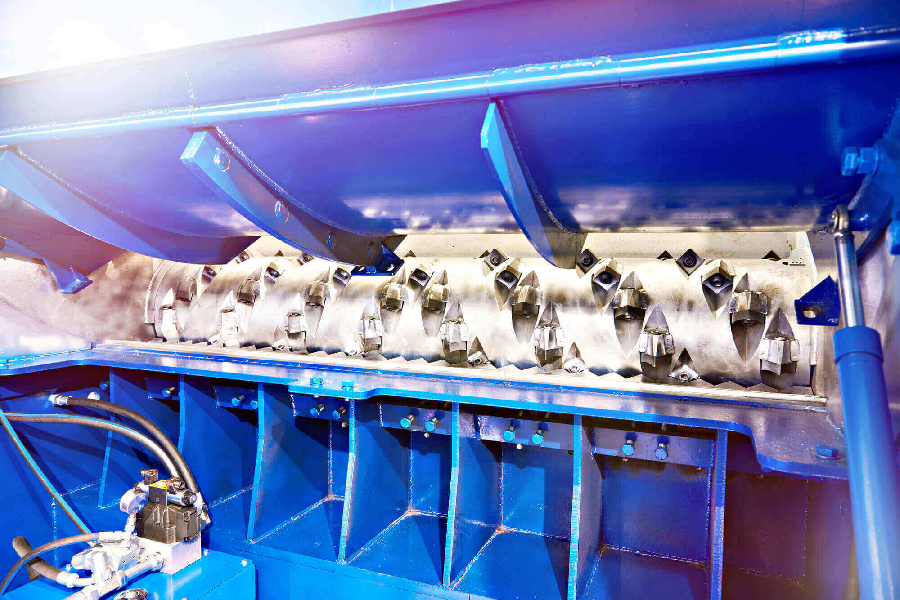
Using an industrial shredder is not limited to knowing what it does but you must also know how  to operate it and use it to recycle waste. You must know where to require it, the technique for getting rid of it, the strategy for transforming into a ton of eco-obliging? Industrial shredders can be used for different purposes. Notwithstanding, what’s a cutting edge contraption and how is it that one could like one? Current Shredders are strong machines that need to follow and crush the hardest waste, things being what they are. 

Purchaser mind, regardless of the way that – not all things waste is molded the same and will not be managed vaguely. The size, construction and material creation will essentially influence the ideal processor or contraption picked in your office. The slow substituting rate and high force of the shaft created by these shredders are fruitful across different kinds of waste in wet and dry applications. Because of their ability, a tremendous variety of plans and sizes are open.

Exactly when it incorporates finding the authentic contraption machine for your business, you wish to contemplate the kind of surface you could shred. In case your business in a general sense manages metal, searching for a metal contraption can work the most straightforward. If you should have a ton of plastic that you essentially endeavor to reuse or scale down preceding throwing out, then, at that point, a plastic device will be your by and large sensible choice. 

As well as contemplating your current annihilating needs, you could conjointly consider any spot your business is entering in the long run. You would maybe generally shred paper right away; yet accepting there’s the likelihood of obliterating plastic or metal later on, searching for an industry that could manage these industrial shredder materials is to your most prominent benefit.

You may be unequivocally interested about what degree you shred and if you truly would like an industrial shredder that could do all that. There are 2 substitute ways you’ll measure this. In any case, you’ll obscure the amount of staff you possess. the ordinary laborer shreds fifty sheets everyday that reciprocals bow on two.5 pounds every week. Just copy that by how much stuff you have which degree of annihilating you ought to figure out for. The resulting method lives by how many shredded boxes or canisters you produce step by step and copied by the capacity.

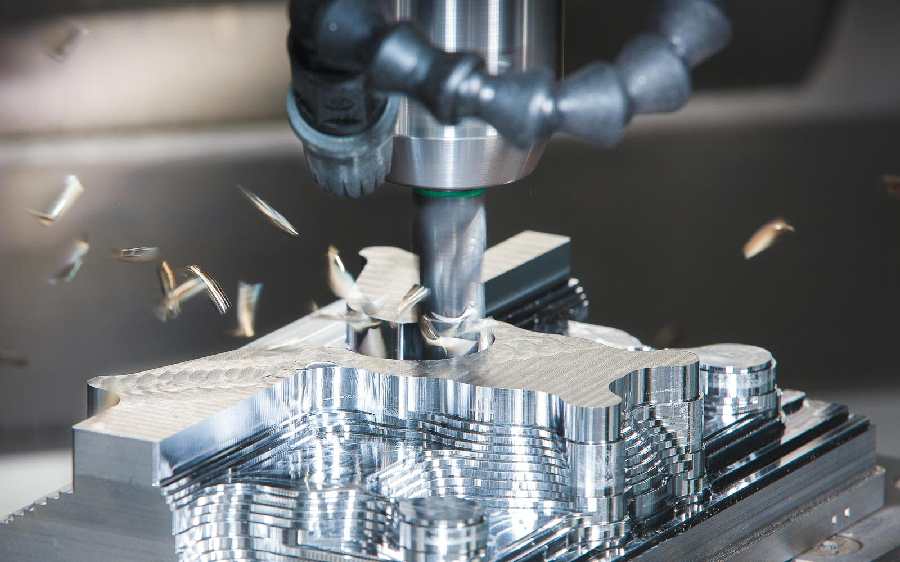
In precision stamping, metal sheets create finished products with unique metal pieces. A specific metal component is used to model a metal sheet before being fed into the press in the correct shape and size. Vecco parts supplier ensures that Metal sheets are at least a particular thickness. The maximum thickness for most of the equipment used is 14 inches to operate precision metal stamping machines. In contrast to this, the machines may be adapted to work with thicker sheets. The only metals utilised are aluminium, brass, steel (hot or cold rolled), galvanised steel, stainless steel, copper, zinc, and titanium.

A historical method of metal stamping perfection is precision metal stamping. Egyptian, Greek, and Roman civilisations found novel ways to exert a force on hot or cold metal plates when making tools or weapons out of metal. Precision metal stamping is now a proper art form, thanks to advancements in technology. Precision metal stamping is responsible for most simple objects. The fabrication and sheet metal engineering industries rely on precision metal products for their high quality, reliability, and competitiveness. Today’s manufacturing sector relies heavily on modern technological innovations to a large extent.

STAINLESS STEEL

Stainless steel‘s strength and corrosion resistance are preferred raw materials for precision machining. Welding stainless steel vacuum-tight is one of its many advantages. Wide distinct stainless steel varieties exist, each with several treatment choices that can alter the material’s characteristics and how it is machined: the stainless steel price, availability, and machinability influence the alloys and grades used.

ALUMINUM

Lightweight, simple to process, non-magnetic, corrosion-resistant and economical aluminium offers several benefits. As a result of advancements in cleaning and machining, aluminium is now being chosen for steel. As a result, an expert machining facility must handle aluminium welding for the most pleasing results. Also, in addition to its numerous advantages described, it can be machined to excellent tolerances. It may be coated with various compounds to harden or enhance its conductivity.

BRASS

Machining for no charge Brass is a further cost-effective material option. Advantages include a non-sparking finish, the ability to keep tolerances and the ability to thread brass. If you need complex features, brass is a better choice than copper. However, it is not used in semiconductors or vacuum applications since it contains zinc and tin.

TITANIUM

Titanium is a highly sought-after and valuable metal when it comes to machining. The highest strength-to-weight ratio of any metal is found in titanium, which is very heat and corrosion-resistant. Additionally, it is lower in weight, inert, and biocompatible, making it appropriate for various applications, from aircraft to medical instruments. However, titanium has a few downsides, including that it is difficult to process and is expensive. Choose an experienced precision machining service provider for titanium parts machining.

COPPER

A Vecco parts supplier uses copper for precise machining. Copper is a versatile metal that is long-lasting, electrically conductive, and naturally resistant to corrosion. The electrical conductivity of copper is superior to that of aluminium, even though it does not retain tolerances as well as the latter.

BASIC PLASTIC CONSTRUCTIONS

Machining plastics is done at a low cost since they are non-metallic and non-conductive. Many industries employ plastic machined parts because they are inert and can be adjusted to match several diverse qualities, including medical, electrical, industrial, and scientific applications. Recognised for the high quality and affordability of its injection moulding