Category

Home

Category

Tennessee attracts many for its scenic beauty, rich culture, and welcoming communities. Whether you’re drawn to the stunning mountain ranges or the charming small towns, Tennessee offers something for everyone. When choosing a home in this beautiful state, many are discovering the benefits of building a custom home that fits their specific needs and lifestyle.

Custom homes in Tennessee are becoming increasingly popular among those looking for homes beyond the standard designs of mass-produced houses. These custom-built homes allow buyers to design their dream home exactly how they want it, offering greater flexibility, long-term savings, and personalized features that reflect the homeowner’s unique style.

Design Your Dream Home with Flexibility and Style

Custom homes offer unmatched flexibility in design, allowing you to personalize every aspect of your home. You can create a space that reflects your style, from floor plans to finishes. Key benefits include:

  • Complete control over design elements
  • Tailored layouts that fit your needs
  • Personalized finishes to suit your taste

In Tennessee, custom homes can be designed to blend with the landscape, whether you prefer a serene, natural aesthetic or a modern, standout style. A custom-built home ensures your living space complements your vision and the local environment.

Invest in Better Construction and Materials

Custom homes offer superior construction with high-quality materials and skilled craftsmanship. In Tennessee, homeowners can choose materials and techniques suited to the climate, ensuring durability against hot summers and humidity. Energy-efficient systems help lower utility costs while weather-resistant features reduce maintenance needs. These homes are built to last, offering long-term savings and requiring fewer repairs, making them a more cost-effective and durable investment.

Maximize Long-Term Value and Savings

Custom houses in Tennessee provide significant long-term value. Homeowners can include energy-efficient features like solar panels and high-quality insulation to reduce utility costs. Due to their unique features and superior construction, these homes also appreciate over time. As a result, these houses offer immediate savings and a higher resale value, making them a smart investment for the future.

Reduce Maintenance Costs and Enjoy a Stress-Free Home

Custom homes are designed with high-quality materials and meticulous attention to detail, reducing common maintenance issues. Benefits include:

  • Fewer repairs for leaks, plumbing, or outdated systems
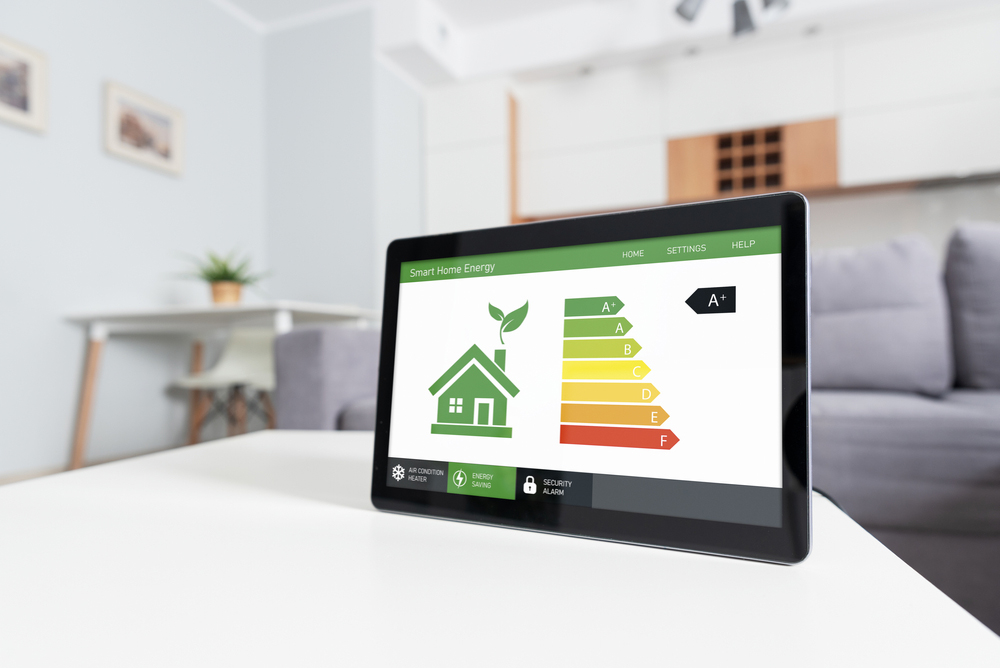
  • Integration of smart home features and automated temperature control
  • Lower long-term maintenance costs

By incorporating advanced technologies, these homes ensure peace of mind and minimal upkeep. In Tennessee, custom homes are built to last, save money, and provide a stress-free living experience.

Create a Space That Truly Reflects Your Lifestyle

A custom home goes beyond functionality—it reflects your values, lifestyle, and future goals. With complete control over the design, you can create a space that suits your needs, whether for a family, retreat, or creative hub. Custom homes foster a deeper connection, offering a personalized environment where you can thrive. Unlike traditional homes, they’re tailored to your specific vision, making them a place you’ll be proud to call your own.

Making the Right Choice for Your New Home

When choosing custom houses in Tennessee, working with an experienced team ensures that the process runs smoothly and your home is built to the highest standards. A trusted builder will help you bring your vision to life while keeping quality and cost-effectiveness in mind. This partnership is key to creating a home perfect for your lifestyle and future.

Custom homes in Tennessee are a wise investment for those seeking a home that offers long-term value, personalization, and quality construction. With the flexibility to design your perfect living space, select premium materials, and enjoy lower maintenance costs, building a custom home provides lasting satisfaction and financial benefits. For anyone considering a new home, a custom-built property is a wise choice that offers both comfort and future rewards.

Club Ceramic tiles are a versatile and durable flooring option that can enhance the aesthetics and functionality of any space. Whether you’re planning a kitchen renovation, upgrading your bathroom, or installing new flooring in your living areas, ceramic tiles offer a wide range of designs, colors, and textures to suit your needs. Choosing the right ceramic tiles can feel overwhelming, but with insights from Club Ceramic, you can make an informed decision that aligns with your style and practical requirements. Here’s a step-by-step guide to selecting the best ceramic tiles for your home.

1. Understand the Different Types of Ceramic Tiles

Ceramic tiles come in various types, each suited for specific applications:

  • Glazed Tiles: These tiles have a protective coating that enhances their color and finish. They are ideal for walls and low-traffic areas.
  • Unglazed Tiles: With a natural and rustic look, unglazed tiles are slip-resistant and suitable for high-traffic areas like hallways and kitchens.
  • Porcelain Tiles: A subtype of ceramic, porcelain tiles are denser, more durable, and resistant to water, making them perfect for bathrooms and outdoor use.
  • Mosaic Tiles: Often used as decorative elements, mosaic tiles come in small sizes and are perfect for adding intricate patterns to walls or backsplashes.

2. Consider the Room’s Functionality

The room where you plan to install ceramic tiles will influence your choice:

  • Bathrooms and Kitchens: Choose tiles with a non-slip surface and high water resistance, such as textured or matte-finish tiles.
  • Living Rooms and Bedrooms: Opt for tiles with a polished or satin finish to create a warm and inviting atmosphere.
  • Outdoor Areas: For patios and balconies, use durable porcelain tiles with anti-slip properties to withstand weather changes.

3. Explore Design and Aesthetic Options

Ceramic tiles come in various designs, allowing you to customize your space:

  • Colors: Neutral tones like beige, gray, and white create a timeless look, while bold colors can make a statement.
  • Patterns: From wood-look tiles to geometric designs, patterns add character and visual interest.
  • Sizes: Large tiles can make a room feel more spacious, while smaller tiles work well for intricate layouts.

4. Evaluate Durability and Maintenance

Durability and ease of maintenance are crucial factors when choosing ceramic tiles:

  • Scratch Resistance: For high-traffic areas, select tiles with a high PEI (Porcelain Enamel Institute) rating.
  • Ease of Cleaning: Glazed tiles are easier to clean and maintain, while unglazed tiles may require sealing to prevent stains.
  • Longevity: High-quality ceramic tiles can last for decades with proper care, making them a cost-effective investment.

5. Seek Expert Advice from Club Ceramic

With so many options available, getting professional advice can simplify your decision-making process. At Club Ceramic, you’ll find:

  • A Wide Selection: Explore an extensive collection of ceramic tiles in various styles and finishes.
  • Knowledgeable Staff: Their experts can guide you on the best tiles for your specific needs and preferences.
  • Custom Solutions: Whether you’re designing a modern kitchen or a classic bathroom, Club Ceramic offers tailored solutions to match your vision.

6. Plan Your Budget

Ceramic tiles come in a range of price points, so it’s important to set a budget before you start shopping. Consider:

  • Tile Costs: Prices vary depending on the type, design, and brand.
  • Installation Fees: Factor in the cost of professional installation for a flawless finish.
  • Maintenance: While ceramic tiles are low-maintenance, occasional sealing or repairs may add to long-term costs.

Conclusion

Choosing the best ceramic tiles for your home requires balancing aesthetics, functionality, and durability. With the expert guidance and diverse selection available at Club Ceramic, you can confidently select tiles that enhance your living spaces. To explore their full range of high-quality ceramic tiles, visit Club Ceramic today and bring your design vision to life.

Creating a peaceful getaway far from busy city life sounds wonderful. Imagine a cozy spot surrounded by trees, open skies, and fresh air. Building this retreat involves a bit of planning, though. Here, we’ll look at important things to keep in mind when thinking about your ideal country escape.

Thinking About What You Want

First, think about what you’d like this rural retreat to be. Is it a small cabin, a larger house, or just an open area for camping? Do you want it to be close to rivers, hills, or wide open fields? Knowing what matters most helps you choose wisely. Some people dream of a place for family gatherings, while others want somewhere quiet to relax alone. Having a clear picture will make picking the right spot easier.

Checking How to Reach the Land

Once you know what you want, think about how easy it will be to get to your spot. Roads, paths, and trails make a difference. Is there a good way for cars or trucks to reach it? For example, some areas may only have rough paths that can get muddy when it rains. If you’re far from stores or services, plan for longer trips to get what you need. Being close to friends or family might be important, too. Make sure getting to and from the land feels comfortable.

Understanding Rules for Building

Different areas have different rules about what you can build. Some places allow only certain types of structures. Before starting, it’s smart to check any rules about land use. For instance, some places do not allow large buildings, while others might require certain materials or colors. Knowing these rules before beginning will save time and prevent surprises later. This way, you can be confident that your plan matches local guidelines.

Finding Out About Utilities and Power

Think about what you need to live comfortably. Basic things like water, electricity, and the internet can be tricky in remote places. Check if nearby power lines, water pipes, or phone connections are available. If not, you may need to install special systems, like solar panels or a water well. Some people like the idea of being completely “off the grid,” using natural resources, while others prefer to have everything set up. Make sure your choices match your needs.

Thinking About the Budget

Having a clear idea of costs is very important. Besides the price of the land itself, remember to think about any additional expenses. These might include taxes, building fees, or other services. Getting help with financing, like a loan, could make your plan easier to manage. A simple list of expected costs helps keep your spending on track. It’s also helpful to have a little extra set aside for unexpected needs.

How a Land Broker Company Can Help

Finding land is easier with help from experts who know about different areas. A land broker company can give good advice on choosing the best spot for your needs. They understand local rules, can help find places with access to water and power, and may know if any rules apply to specific areas. Working with them can save time and make sure your choice fits your dream perfectly.

Planning a rural retreat is like designing a special adventure just for you. With these tips, you’ll be able to make good choices that bring you closer to enjoying peaceful days in nature. From choosing the right spot to taking care of it, every step counts. Soon, you’ll have a place to visit that brings you joy for years to come. Enjoy building memories in your own little corner of the world!


Tree pruning is more than just a routine maintenance task; it is both an art and a science that plays a critical role in maintaining the health, aesthetics, and safety of your garden. Professional tree pruning services offer expertise and precision that go beyond basic trimming, ensuring that your trees not only thrive but also enhance the overall appeal of your landscape. This article explores the multifaceted nature of tree pruning, highlighting the benefits of engaging professional services.

Understanding Tree Pruning

Tree pruning involves the selective removal of certain parts of a tree, such as branches, buds, or roots. The primary goals are to improve the tree’s structure, enhance its health, and ensure safety. Proper pruning encourages robust growth, prevents disease, and can significantly contribute to the visual harmony of your garden.

The Art of Pruning

The artistic aspect of pruning lies in shaping and training the tree to achieve an aesthetically pleasing form. Professional tree pruning services apply a keen eye for design, considering the tree’s natural growth patterns and the desired outcome. They employ various pruning techniques such as:

  • Thinning: Removing selected branches to allow more light and air to penetrate the tree canopy, which helps in reducing disease and promotes healthy growth.
  • Raising: Removing lower branches to provide clearance for pedestrians, vehicles, or buildings while maintaining the tree’s overall shape.
  • Reduction: Cutting back the size of the tree to fit a specific space or to manage its growth.

Each cut is made with a strategic purpose, balancing the tree’s natural shape with the landscape’s design goals. Professional pruners use their artistic skills to enhance the tree’s beauty while respecting its natural form.

The Science Behind Pruning

Tree pruning is not just about aesthetics; it involves a scientific understanding of tree biology. Professionals employ their knowledge of plant physiology to ensure that pruning practices support the tree’s health. Key scientific principles include:

  • Timing: Pruning is best performed during the tree’s dormant season, typically late winter or early spring, to minimize stress and encourage vigorous new growth.
  • Correct Techniques: Proper cutting techniques are essential to prevent damage. For instance, making cuts at the correct angle and avoiding tearing or crushing bark helps in wound healing.
  • Disease Management: Pruning can help control the spread of diseases and pests by removing infected branches and improving air circulation.

Professionals are trained to recognize signs of disease and structural issues, addressing them with targeted pruning strategies that promote recovery and long-term health.

Benefits of Professional Tree Pruning Services

Engaging a professional tree pruning service offers several advantages that go beyond what DIY pruning can achieve:

Enhanced Tree Health

Professional arborists assess the health of your trees, identifying and addressing issues such as disease, pest infestations, and structural weaknesses. By removing damaged or diseased branches, they help prevent further spread and encourage healthier growth.

Improved Safety

Overgrown or poorly maintained trees can pose significant safety risks, including falling branches or compromised stability. Professional services ensure that potential hazards are mitigated through careful and precise pruning, reducing the risk of accidents or damage to property.

Increased Aesthetic Appeal

A well-pruned tree enhances the visual appeal of your garden. Professional arborists use their expertise to shape trees in a way that complements the surrounding landscape, creating a harmonious and attractive environment.

Expertise and Experience

Professional tree pruning services bring a wealth of knowledge and experience to the task. They are familiar with various tree species and their specific needs, ensuring that pruning is done correctly and effectively. Their skills extend to using specialized equipment safely, which is often beyond the capabilities of the average homeowner.

Long-Term Value

Regular, professional pruning can extend the lifespan of your trees, preventing issues that could lead to costly repairs or replacements in the future. By investing in professional services, you ensure that your trees remain healthy and continue to add value to your property.

Conclusion

The art and science of tree pruning are integral to maintaining a beautiful and healthy garden. Professional tree pruning services offer a blend of artistic vision and scientific knowledge, ensuring that your trees are not only well-maintained but also enhance the overall landscape. By entrusting your tree care to experts, you benefit from their expertise in improving tree health, safety, and aesthetics, ultimately transforming your garden into a flourishing and visually pleasing space.

Choosing the right countertop material is a crucial part of designing a kitchen that is both functional and aesthetically pleasing. Granite and Dekton are two popular choices, each offering unique benefits. 

1. Understanding the Differences

Granite is a natural stone known for its durability, heat resistance, and unique patterns. Each granite slab is one-of-a-kind, with natural variations that add character to your kitchen. Granite is also incredibly durable, making it resistant to scratches, chips, and heat.

Dekton, on the other hand, is a man-made material composed of a blend of raw materials used in glass, porcelain, and quartz surfaces. Dekton is highly resistant to heat, stains, scratches, and UV rays, making it suitable for both indoor and outdoor kitchens. It offers a sleek, modern look with a consistent appearance, which can be a significant advantage for those seeking a uniform design.

2. Consider Your Design Style

Your kitchen’s design style plays a significant role in determining whether granite or Dekton is the better choice. If you prefer a more traditional or rustic look, granite may be the ideal option due to its natural, organic appearance. The unique veining and color variations in granite add warmth and depth to a kitchen, complementing wood cabinets and classic design elements.

Dekton, with its modern, sleek finish, is perfect for contemporary or minimalist kitchens. Its uniform surface and wide range of colors and finishes allow for a clean, seamless look. Dekton’s ability to mimic the appearance of other materials, such as concrete or marble, also makes it a versatile choice for modern designs.

3. Assess Durability and Maintenance

Both granite and Dekton are durable materials, but they have different maintenance requirements. Granite is naturally porous and requires regular sealing to prevent stains and moisture absorption. However, once sealed, it is relatively low-maintenance and can withstand everyday kitchen use.

Dekton, being non-porous, does not require sealing and is virtually maintenance-free. Its resistance to stains, heat, and scratches makes it an ideal choice for busy kitchens where ease of maintenance is a priority. If you’re looking for a countertop that requires minimal upkeep, Dekton may be the better option.

4. Evaluate Cost Considerations

Cost is always a factor when selecting a countertop material. Granite tends to be more affordable than Dekton, depending on the specific type of granite and the complexity of the installation. However, the price difference can vary widely based on factors such as the thickness of the material, edge profiles, and the rarity of the granite slab.

Dekton is generally more expensive than granite, but it offers long-term value due to its durability and low maintenance. When evaluating cost, consider not only the initial investment but also the potential savings in maintenance and longevity.

5. Consider Environmental Impact

If environmental sustainability is important to you, both granite and Dekton offer eco-friendly options. Granite is a natural material that is mined from the earth, making it a renewable resource. However, the environmental impact of quarrying and transporting granite should be considered.

Dekton, while man-made, is produced using sustainable practices, including recycling and reducing waste during manufacturing. Additionally, Dekton’s durability means it has a longer lifespan, reducing the need for replacement and minimizing its environmental footprint.

Conclusion

Selecting the perfect countertop for your kitchen involves considering your design style, durability needs, maintenance preferences, and budget. Whether you choose granite for its natural beauty or Dekton for its modern, low-maintenance appeal, Granite au Sommet Dekton countertops offer high-quality options that will enhance the functionality and aesthetics of your kitchen.

Recent technological developments, changes in working culture, and a greater emphasis on health and hygiene have all had a substantial impact on commercial cleaning. As businesses in Orange County continue to adapt to new standards and expectations, several trends are shaping the future of commercial cleaning. These trends are not only improving the efficiency of cleaning operations but also enhancing the overall well-being of employees and customers.

Emphasis on Health and Hygiene

One of the most prominent trends in commercial cleaning is the heightened emphasis on health and hygiene. Businesses are now painfully aware of how important it is to maintain a clean and safe environment in the wake of the global pandemic. This has led to the adoption of more rigorous cleaning protocols, frequent sanitization, and the use of high-quality disinfectants. In order to guarantee that their facilities are completely sterilized, lower the risk of sickness, and foster a healthier workplace, businesses are now more likely to engage in professional cleaning services.

Green Cleaning Solutions

Sustainability is another key trend in the commercial cleaning industry. More businesses are recognizing the importance of using eco-friendly cleaning products and practices. Green cleaning products not only benefit the environment but also make workplaces safer and healthier for workers.  This shift towards sustainability is particularly noticeable in regions like Orange County, where there is a strong emphasis on environmental responsibility. Because they don’t include harsh chemicals, eco-friendly cleaning solutions have a smaller negative impact on the environment and lessen indoor air pollution.

Technological Advancements

Technology is revolutionizing the commercial cleaning industry. Businesses are using technology, from robotic vacuum cleaners to sophisticated cleaning management software, to increase productivity and efficiency.Robotic cleaners can autonomously navigate and clean large areas, reducing the need for manual labor and ensuring consistent results. Additionally, cleaning management software allows businesses to schedule, monitor, and track cleaning activities, ensuring that all areas are maintained to the highest standards.

Customizable Cleaning Plans

Flexibility and customization are becoming increasingly important in commercial cleaning. Businesses have diverse needs, and one-size-fits-all solutions are no longer sufficient. Customizable cleaning plans allow businesses to tailor their cleaning services to their specific requirements. Whether it’s adjusting the frequency of cleaning, focusing on high-traffic areas, or using specialized products, customizable plans ensure that businesses receive the most effective cleaning solutions for their unique environments.

Increased Focus on High-Touch Surfaces

High-touch surfaces, such as doorknobs, light switches, and elevator buttons, are hotspots for germs and bacteria. In response to heightened health concerns, commercial cleaning services are placing greater emphasis on these areas. High-touch surfaces should be thoroughly cleaned on a regular basis to help stop the spread of infections and create a safer, healthier environment.  Businesses in Orange County are particularly mindful of this trend, as they strive to provide safe spaces for employees and customers alike.

Daytime Cleaning Services

Traditionally, commercial cleaning in Orange County has been conducted after hours to avoid disrupting business operations. However, there is a growing trend towards daytime cleaning services. Daytime cleaning not only allows for immediate attention to spills and messes but also provides visible assurance to employees and customers that the environment is being maintained. This trend is particularly relevant in retail and hospitality sectors, where cleanliness is a critical component of customer experience.

Enhanced Training and Certification

The quality of commercial cleaning services is directly linked to the skills and knowledge of the cleaning staff. As a result, there is an increased focus on training and certification within the industry. Nowadays, thorough training programs including the newest cleaning methods, safety precautions, and the usage of cutting-edge equipment are mandated for cleaning specialists. Certification programs ensure that cleaning staff are well-equipped to handle various challenges and provide high-quality services.

Integration of Wellness Programs

The connection between a clean environment and overall well-being is becoming more apparent. Businesses are integrating wellness programs into their commercial cleaning strategies to promote a healthier and more productive workforce. This includes using products that improve indoor air quality, implementing regular sanitization schedules, and creating spaces that are free from allergens and contaminants. In Orange County, where wellness is a significant focus, Companies are eager to implement cleaning procedures that support their workers’ physical and emotional health.

Data-Driven Cleaning Strategies

The use of data and analytics is transforming the commercial cleaning landscape. Data-driven cleaning strategies involve using sensors, smart devices, and analytics tools to gather information about cleaning needs and patterns. This data is then used to optimize cleaning schedules, allocate resources more effectively, and ensure that all areas receive the necessary attention. For businesses in Orange County, Using data-driven strategies can result in operations that are more productive and clean standards that are higher.

Focus on Customer Experience

In the current competitive market, the experience of the client is crucial. Your clients’ perception of you and their level of satisfaction both depend on how clean and well-kept your office is. Businesses are increasingly recognizing the importance of cleanliness in creating positive customer experiences. From spotless restrooms to immaculate lobbies, the focus is on maintaining a high level of cleanliness that enhances the overall customer experience. This trend is particularly relevant in industries such as hospitality, retail, and healthcare, where customer impressions are critical.

Conclusion

The commercial cleaning industry is undergoing a transformation, driven by evolving expectations, technological advancements, and a greater emphasis on health and sustainability. Businesses in Orange County are at the forefront of these trends, adopting innovative cleaning solutions to create safer, healthier, and more appealing environments. As the industry continues to evolve, the focus will remain on delivering high-quality cleaning services that meet the unique needs of each business while promoting overall well-being and environmental responsibility.

FAQs

What are the most important factors driving the current trends in commercial cleaning?

The main factors driving current trends in commercial cleaning include the heightened focus on health and hygiene due to the global pandemic, the growing emphasis on sustainability, and the adoption of advanced technologies to improve efficiency and effectiveness.

How can businesses in Orange County benefit from green cleaning solutions?

Green cleaning solutions can help businesses reduce indoor air pollution, foster a safer and healthier work environment, and show that they care about the environment. This can improve company standing and draw in environmentally conscientious clients and staff.

What are some examples of technological advancements in commercial cleaning?

Examples of technological advancements include robotic cleaners that autonomously navigate and clean spaces, and cleaning management software that allows for the scheduling, monitoring, and tracking of cleaning activities. These technologies improve efficiency and ensure consistent cleaning standards.

Why are customizable cleaning plans becoming more popular?

Customizable cleaning plans are becoming more popular because businesses have diverse needs that require tailored solutions. Customization allows businesses to adjust cleaning frequencies, focus on specific areas, and use specialized products to meet their unique requirements effectively.

What is the significance of focusing on high-touch surfaces in commercial cleaning?

Focusing on high-touch surfaces, such as doorknobs, light switches, and elevator buttons, is significant because these areas are hotspots for germs and bacteria. Regular and thorough cleaning of high-touch surfaces helps reduce the spread of pathogens, contributing to a safer and healthier environment.


In today’s digital age, the rapid advancement of technology has brought about unprecedented convenience and innovation. However, with every new gadget and device comes an inevitable consequence: electronic waste, or e-waste. The disposal of electronic devices poses significant environmental and health hazards, making it a pressing issue that demands immediate attention and action.

Understanding Electronic Waste: What is E-Waste?

Electronic waste encompasses a broad range of discarded electronic devices, including old computers, smartphones, televisions, and appliances. These items contain various toxic components such as lead, mercury, cadmium, and brominated flame retardants. Improper disposal of e-waste contaminates soil and water and releases harmful chemicals into the atmosphere, contributing to air pollution and climate change.

The Global Impact of E-Waste

The proliferation of electronic devices worldwide has led to a staggering rise in e-waste generation. According to the Global E-waste Statistics Partnership, approximately 53.6 million metric tons of e-waste were generated globally in 2019 alone, with only 17.4% being collected and recycled. This alarming statistic underscores the urgent need for more effective e-waste management strategies on a global scale.

Health Risks and Environmental Consequences

The improper handling and electronic disposal pose significant risks to human health and the environment. Exposure to toxic chemicals found in e-waste can lead to a myriad of health problems, including respiratory issues, neurological disorders, and even cancer. Moreover, contaminating soil and waterways with heavy metals and hazardous substances can have devastating consequences for ecosystems and biodiversity.

The Importance of Responsible E-Waste Disposal

Proper disposal and recycling of electronic waste are essential to mitigate its adverse effects on the environment and human health. Recycling e-waste conserves valuable resources and reduces the need for raw materials extraction and energy-intensive manufacturing processes. Additionally, recycling helps prevent the release of toxic chemicals into the environment, safeguarding public health and ecological integrity.

Junk Removal: Tackling the E-Waste Challenge

One of the most effective ways to address the e-waste problem is through organized junk removal initiatives. These programs aim to collect and responsibly dispose of unwanted electronic devices, diverting them from landfills and incinerators. By partnering with local governments, businesses, and communities, junk removal services can raise awareness about the importance of e-waste recycling and provide convenient solutions for proper disposal.

The Role of Legislation and Corporate Responsibility

Government regulations play a crucial role in promoting responsible e-waste management practices. Many countries have implemented legislation requiring manufacturers to take responsibility for the end-of-life disposal of their products through extended producer responsibility (EPR) programs. Similarly, corporate entities increasingly adopt sustainable practices and incorporate e-waste recycling into their business models to minimize their environmental footprint.

Empowering Consumers Through Education

Educating consumers about the impact of e-waste and the importance of recycling is paramount in fostering sustainable behavior change. Public awareness campaigns, school programs, and community outreach efforts can help inform individuals about the proper disposal methods for electronic devices and encourage them to participate in e-waste recycling programs. We can collectively work towards a more sustainable future by empowering consumers to make informed choices.

Conclusion

The proliferation of electronic devices has revolutionized how we live and work, but it has also created a mounting e-waste crisis that cannot be ignored. To safeguard our planet and protect future generations, we must prioritize responsible e-waste disposal and recycling. By implementing effective junk removal initiatives, enacting supportive legislation, and educating consumers, we can mitigate electronic waste’s environmental and health risks and pave the way for a more sustainable tomorrow.

A significant home renovation is an exemplary process for homeowners. The process involves selecting the ideal contractor and ensuring your home’s safety during renovations. Home renovation projects are diverse, with unique challenges and twists.

You can effectively manage any potential project complications by implementing proper planning and professional assistance.

Here, we will discuss how homeowners undergoing major renovation projects.

Work With a Contractor

Many homeowners associate renovations with long processes and misuse money for good motives. Exhaustive projects can effortlessly get out of hand, mainly if you try to handle them independently.

Examine and partner with a qualified contractor to manage some or all of your renovations. This choice can help keep the project on way and inexpensive. Utilize these guidelines and contractors’ or movers recommendations to efficiently complete necessary renovations to make your home a safe, beautiful living space.

Restumping for Building Support

Restumping, also called relocking, involves replacing the stumps of a building to deliver stability and care. This method is primarily helpful for homeowners undertaking renovation projects.

Renovations frequently involve adding weight to a building, such as installing innovative floors, walls, or extensions through restumping. Restumping confirms that the foundation can support these extra loads, permitting homeowners to progress with their renovation strategies positively.

Do Your Research

It’s critical to understand what you are getting into when planning a major home renovation, mainly if this is your first time. Engage with past renovation-completion friends and family to understand their challenges and strategies for overcoming obstacles.

Read up on top practices and guidelines for working through a renovation. The contractor you select should be a great source. But before you reach that stage, it’s helpful to understand the mechanics of the renovation process already.

Prepare the Space & Remove Important Items

Examine any spaces you have worked on carefully, and attempt to recall what you typically use and do there. Once you have a detailed list, think of your alternative idea of achievement for each item and movement. Before the team starts work, transfer any essential items you may require to another site in the home for contact.

For example, when remodeling your kitchen, consider relocating the fridge to the living room and devising a dishwashing strategy.

Most builders will ask you to move any items that may be in the method and any remotely delicate items. High-quality building teams can assist homeowners in removing bulky items such as electronics and art from remodeled spaces. They can also help arrange storage in separate areas or off-site locations.

Consider Your Timeline

Nearly all home renovation projects take longer time than you expected. Therefore, it will be easier to account for roadblocks and unforeseen circumstances if you are generous when setting your timeline.

You must account for the time required to locate the materials to replace everything. Install them and any other habits that may come up. Finding the accurate contractor will do miracles to speed up your timeline and help your renovation stay on way.

Actively Seek Calm

Home renovations, with their slippery guidelines, unsteady timelines, and movable funds, can prove stressful even for calm people. Having completed more than 6,000 renovations, you may understand. Renovating causes worry because it’s likely the most intimate thing you will ever do—entrusting someone else with your home.

Evaluate your stress levels and consider activities like guided meditation with Headspace or a brief phone call with a friend.

Lighting is a fundamental aspect of interior design, and selecting unique lighting options can add character, personality, and ambiance to your home. From statement fixtures to innovative lighting technologies, there are endless possibilities to explore.

Here are some unique lighting options to consider for your home:

  • Pendant Lights: Pendant lights are versatile fixtures that can make a bold statement while providing functional illumination. Available in a variety of shapes, sizes, and materials, pendant lights can be used to add drama and visual interest to any room. Install them above kitchen islands, dining tables, or in entryways to create a focal point and enhance the overall aesthetic of your space.
  • Sconces: Wall sconces are a stylish alternative to traditional overhead lighting and can add warmth and ambiance to any room. Whether used as accent lighting in a hallway, bedside lighting in a bedroom, or task lighting in a bathroom, sconces come in a range of designs and finishes to suit any decor style.
  • Chandeliers: Chandeliers are classic lighting fixtures that can add elegance and sophistication to your home. While traditionally associated with formal dining rooms and grand foyers, modern chandeliers come in a variety of styles and sizes to suit any space.
  • LED Strip Lighting: LED strip lighting is a versatile and energy-efficient option that can be used to add subtle accent lighting to virtually any area of your home. From under-cabinet lighting in the kitchen to toe-kick lighting in the bathroom, LED strips can highlight architectural features, illuminate work surfaces, and create a warm, inviting ambiance.
  • Statement Floor Lamps: Floor lamps are not only functional but also serve as decorative elements that can add personality and style to your home. Choose a statement floor lamp with a unique design or eye-catching finish to complement your decor and create visual interest in any room.
  • Smart Lighting Systems: Smart lighting systems allow you to control your home’s lighting remotely via smartphone or voice command, offering convenience, energy savings, and customization options. With smart bulbs, switches, and dimmers, you can adjust the brightness, color, and ambiance of your lighting to suit your mood and activities.

Hence, incorporating unique lighting options into your home can elevate its design and create a more inviting and visually stunning environment. By choosing Todel lighting solutions, you won’t just reflect your personal style but will also enhance the functionality of your space, creating a home that is both beautiful and practical.

Energy Performance Certificates (EPCs) assume a vital part in assessing and further developing the energy effectiveness of properties. In Glasgow, a city focused on sustainability, the change of EPCs is in progress, disclosing the future of energy effectiveness assessment. The reforms shaping Glasgow’s EPCs, preparing for a greener and more sustainable constructed climate. Glasgow EPCs  are essential documents that give data about a property’s energy productivity. They offer insights into the structure’s ecological effect and recommendations for further developing energy performance. Glasgow recognizes the significance of EPCs in accomplishing its sustainability goals and is effectively reforming the system.

The future of Glasgow’s EPCs involves the combination of smart innovation. Smart meters and sensors empower ongoing observing of energy consumption, taking into account more precise and modern assessments. This shift towards ongoing information ensures that EPCs give a more precise impression of a property’s energy performance. Reforming EPCs in Glasgow involves the improvement of upgraded constructing simulation models. These models go past customary assessments, considering various factors such as environment, inhabitance patterns, and building materials. The result is a more comprehensive understanding of a property’s energy effectiveness and likely areas for development. Glasgow’s EPC reforms focus on the coordination of environmentally friendly power sources. Assessments won’t just consider a property’s ongoing energy usage yet in addition its capability to harness environmentally friendly power, such as solar panels or wind turbines.

This ground breaking approach encourages land owners to invest in sustainable energy solutions. A critical aspect of Glasgow’s EPC reforms is local area commitment. Awareness programs expect to instruct land owners and residents about the significance of energy proficiency. By fostering a culture of sustainability, Glasgow envisions a city where EPCs serve as catalysts for positive change in conduct and energy consumption patterns. As environmental change poses challenges to cities around the world, Glasgow’s EPC reforms incorporate measures to upgrade environment resilience. EPCs will assess a property’s resilience to outrageous weather events and give recommendations to work on its capacity to withstand environment related impacts.

Perceiving the requirement for productivity, Glasgow EPCs  reforms focus on streamlining processes. This includes the use of computerized platforms for EPC submissions and assessments, diminishing desk work and improving the general proficiency of the accreditation process. To speed up the transition to a more sustainable constructed climate, Glasgow’s EPC reforms effectively energize retrofitting and energy upgrades. Land owners will get customized recommendations for improvements, boosting them to invest in energy-productive technologies and practices. The change of Glasgow’s EPCs represents a significant step towards making a more sustainable and energy-productive city. By embracing smart innovation, improving structure simulation models, and fostering local area commitment, Glasgow is preparing for a future where EPCs assess energy performance as well as drive positive change towards a greener fabricated climate.