A roof replacement protects your home from water damage, heat loss, and structural wear over time. When shingles fail or leaks appear, quick action can prevent costly interior repairs. A clear process also helps you plan budgets, timelines, and expectations with confidence.
Choosing a qualified contractor is a key part of the project, especially after storms or visible roof aging. Homeowners who want reliable workmanship trusted Minneapolis commercial roofing contractor. Knowing the major steps also makes it easier to evaluate estimates and set a realistic schedule.
-
Initial Inspection and Evaluation
A professional inspection confirms the roof’s condition and identifies hidden problems under the surface. Contractors check shingles, flashing, vents, and decking to locate weak areas that cause leaks. Photos and notes help create a clear repair scope for accurate planning.
An inspection should include attic checks for moisture stains and poor ventilation signs. These findings can change material choices and prevent repeat issues after replacement. A detailed evaluation also supports better estimates and fewer change orders later.
-
Material Selection and Budget Planning
Choosing the right material affects cost, durability, curb appeal, and long-term maintenance needs. Asphalt shingles remain popular, while metal and tile can provide longer service life. A contractor can explain warranty terms and local code requirements before you commit.
Budget planning should include labor, disposal, permits, and any decking repairs discovered during the tear-off. Ask for a written estimate that lists materials, underlayment, flashing, and ventilation parts. Clear pricing reduces surprises and keeps the project on track.
-
Permits, Scheduling, and Site Preparation
Permits ensure the project meets local building codes and safety requirements. Many contractors handle permit filing, yet homeowners should confirm what is included. A solid schedule also helps you plan for noise, parking needs, and temporary access limits.
Site preparation protects landscaping, windows, and outdoor furniture near the work area. Crews may place tarps and plywood barriers to reduce debris impact. Move vehicles away from the driveway to keep space open for dumpsters and material delivery.
-
Tear-Off and Deck Inspection
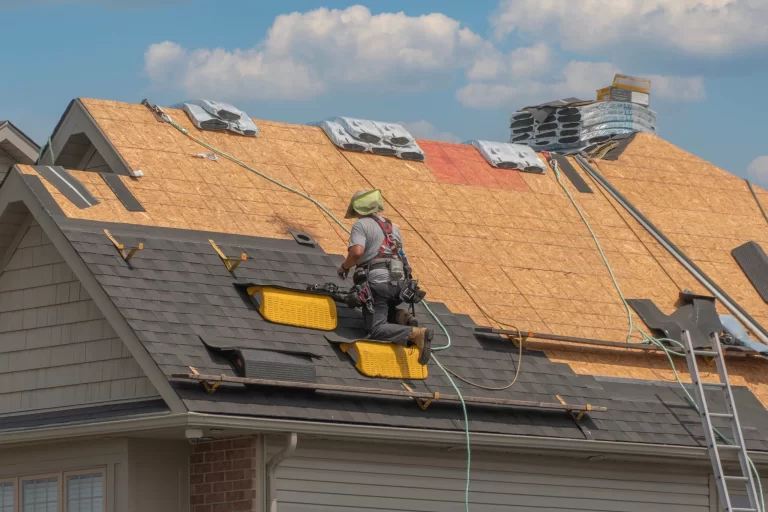
The crew removes old shingles and underlayment to expose the roof deck. This step reveals rot, soft spots, and nail damage that can compromise new materials. A deck inspection helps confirm the base is strong before new layers go on.
Deck repairs may include plywood replacement and secure fastening for stability. Skipping this step can shorten the life of the new roof and increase leak risk. A professional team will document deck issues and explain repair costs clearly.
-
Underlayment, Flashing, and Ventilation Upgrades
Underlayment acts as a protective barrier against water intrusion under shingles or other roofing materials. Flashing seals valleys, chimneys, and roof edges where leaks start most frequently. Proper installation here is critical for long-term performance.
Ventilation upgrades help control attic heat and moisture that can damage decking and shingles. Ridge vents, soffit vents, and baffles support balanced airflow across the attic space. Good ventilation can also improve energy efficiency and indoor comfort.
-
Installation, Cleanup, and Final Walkthrough
New roofing materials are installed according to manufacturer instructions and local code standards. Crews use proper nailing patterns and alignment to support wind resistance and uniform appearance. Quality control checks help confirm the roof performs as expected.
Cleanup includes debris removal, magnetic nail sweeps, and final checks around the home. A final walkthrough should cover flashing lines, vent caps, and warranty documentation. Contractors like the Estate Claim Services may also explain maintenance tips that protect your new roof.
Roof replacement follows a clear path that begins with inspection and ends with a careful final walkthrough. Good planning, solid materials, and skilled installation protect your home and your investment. With the right contractor and clear communication, the process can feel controlled and far less stressful.