
Category

Health

Category

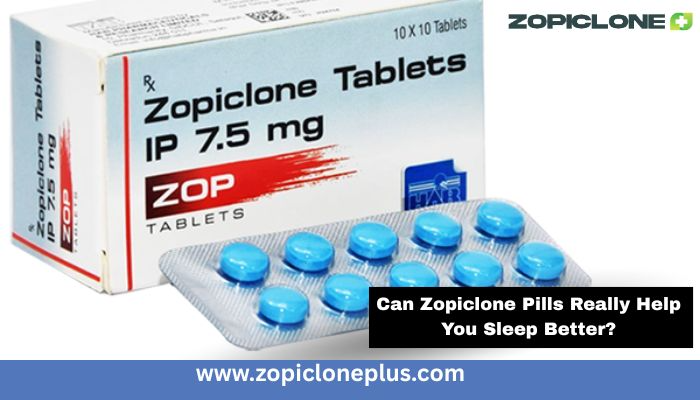
All of us are familiar with the scenario when it gets difficult to catch sleep even if one is lying in bed all night and wishing for some good sleep hours. If you are one of the persons who have thought about the usage of sleep aids, then probably you have come across the name of Zopiclone pills. But then again, a question arises that do they really make a difference in the quality of one’s sleep? 

Let’s talk about Zopiclone, its effects, and what to expect in case you choose to place an order for Zopiclone pills.

What are Zopiclone pills?

Zopiclone pills are potent medicinal compounds that belong to the class of drugs known as hypnotics. They are primarily intended for sleep disorders and insomnia. These pills are normally prescribed for a short duration to alleviate insomnia specifically when the patient is having difficulty in going to sleep or staying asleep. If you have ever been in doubt about whether to buy Zopiclone pills, it is a good step to first understand what they exactly do.

How do Zopiclone pills work?

If you decide to buy Zopiclone pills, you are taking a medication that essentially acts by reducing your brain’s activity level. This tranquilizing effect makes it easier for you to decompress and subsequently fall asleep. To put it in simpler terms, the Zopiclone pills influence the brain’s biochemicals in such a way that they induce sleepiness, thereby facilitating getting asleep and also staying asleep through the night.

Can Zopiclone pills really help you sleep better?

A considerable number of insomnia sufferers say they have been able to improve their sleep quality with the help of Zopiclone pills. The medication usually takes effect quite rapidly, often within thirty minutes, and that way the person can sleep quicker and have more time in the deep sleep phases. Hence, it can be concluded that Zopiclone pills are indeed effective in the case of short-term sleep problems.

Nevertheless, one must not overlook that this is a case of the individual variable response. For some people, the effect might be outstanding, while others may not have much change in their sleep pattern.

What should you know before you order Zopiclone pills?

Before you order Zopiclone pills, you should be aware of the following points:

  • Short-term use: Zopiclone is suitable only for short periods. Lingering use possibly leads to diminishing effects or addiction.
  • Possible side effects: At times, dry mouth, a bitter taste, and slight morning sleepiness are some of the side effects associated with Zopiclone use. Accordingly, it is wise to be prepared for this if you’re going to order Zopiclone pills.
  • Avoid alcohol and certain medicines: The concomitant use of Zopiclone with alcohol or certain drugs could lead to an increased sedative effect and other side effects, requiring caution.

How to get the best sleep if you use Zopiclone pills?

Zopiclone can make sleeping easier, but along with that, it is very important to practice good sleep hygiene routines. Think of it as the medicine doing its part while your lifestyle doing the other. 

Here is a bunch of suggestions:

  • Regularity in sleeping hours, going to bed, and getting up at the same time.
  • Setting up a peaceful sleeping place- dark, quiet, and cool conditions.
  • Refraining from screens and exposure to bright light before sleep.
  • Cutting down on caffeine and bulky meals late in the day.
  • Taking Zopiclone pills only when really needed and not as a daily habit.

What about tolerance and dependency?

One of the main issues that come up about taking Zopiclone pills is that if you are taking them frequently, then your body might slowly accept them, and you will have developed a state of tolerance. That is, to get the same effect at this point in time, you will have to use a larger dose. Then again, there is the issue of dependency, which is that the user could feel like he/she cannot sleep without pills. So, medical counselling remains very important even in the case of buying Zopiclone online.

Final thought

Taking Zopiclone pills can undoubtedly make one’s sleep better, especially when there is a case of short-term insomnia or sleep problems caused by stress. They help by tranquilizing the brain and hence, speeding up the falling asleep process, something that a lot of users appreciate. But they’re not a magic fix for everyone and should be used carefully and thoughtfully.
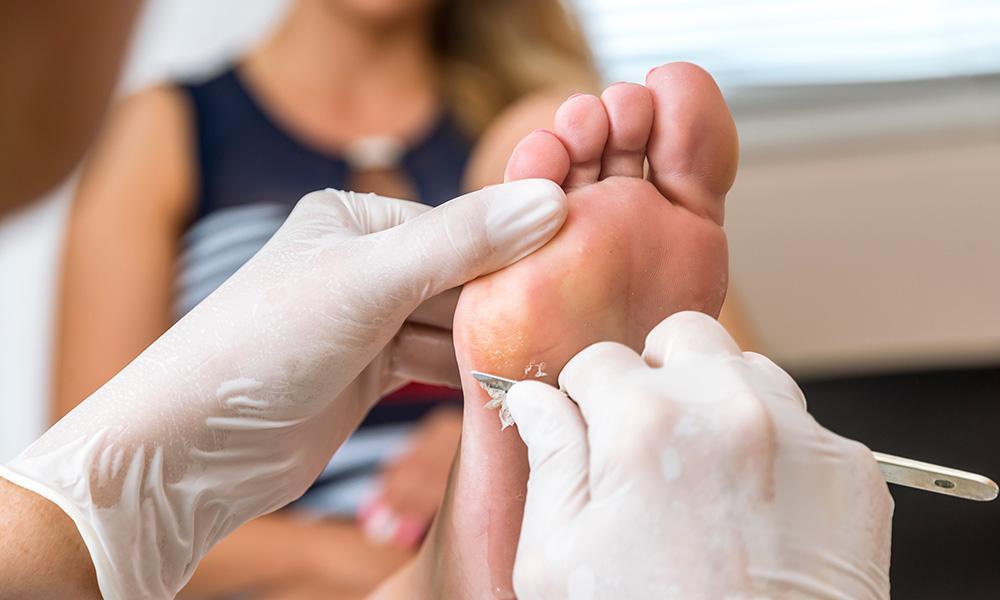
Arthritis affects the way feet move, bend, and support the body. Stiffness and discomfort may reduce natural motion, making daily routines less fluid. Professional care helps maintain balance, posture, and overall foot health.

The process of treating arthritic feet goes beyond providing relief. Trained specialists focus on alignment, flexibility, and support that preserve mobility. With guided care, each step becomes easier and more stable. Comprehensive treatment may also include strengthening exercises, customized footwear, and therapeutic techniques designed to reduce inflammation while improving long-term joint health and overall quality of life.

The Value of Expert Knowledge

Specialists bring expertise in analyzing foot structure and joint interaction. They observe how the body distributes weight and how pressure points affect comfort. This careful assessment allows them to recommend the most suitable measures for support and stability.

Professional attention ensures that strategies match the needs of each individual, considering lifestyle, activity level, and long-term health goals. Adjustments are thoughtfully tailored to reduce strain while maintaining healthy motion. These efforts enhance everyday activities, improve balance, and help maintain joint function, allowing individuals to move with greater confidence, reduced discomfort, and improved overall quality of life.

Customized Care Plans

Every person’s feet have unique structures, and arthritis presents differently in each case. A professional assessment provides clarity on movement patterns, flexibility, and overall alignment. This thorough approach ensures that care is specific, targeted, and effective for long-term management. 

Customized plans may include practical advice on footwear, supportive devices, or movement routines designed to build strength and reduce unnecessary pressure. Each element aims to improve comfort, encourage steady mobility, and foster independence. The focus remains on sustainable results that bring lasting benefits, helping individuals maintain activity, preserve joint health, and enjoy greater confidence in daily life.

The Role of Proper Support

Supportive footwear and specialized inserts reduce stress on sensitive joints. Professionals carefully study arch position, heel placement, and walking style to find the right fit for each individual. Proper support enhances stability, minimizes unnecessary pressure, and prevents further strain on surrounding muscles. 

With suitable adjustments, walking becomes more natural and less tiring, encouraging steady movement throughout the day. Balanced support allows the joints to move efficiently and maintain steadiness, reducing fatigue. Over time, these thoughtful changes improve posture, promote smoother motion, and contribute to better overall mobility and long-term joint protection.

Promoting Circulation and Flexibility

Maintaining circulation is an important part of joint care. Professional methods encourage steady blood flow, ensuring that tissues remain nourished and resilient. This consistent support improves overall energy, reduces fatigue, and enhances comfort in the feet. 

Flexibility is equally essential for mobility, since joints that remain supple are less prone to stiffness and discomfort. Gentle, guided techniques such as stretching, targeted exercises, and therapeutic movements keep joints responsive and adaptable. As a result, each step feels lighter, more controlled, and more sustainable, promoting both daily ease of motion and long-term joint health.

Long-Term Benefits of Professional Attention

Regular visits to a foot care specialist provide lasting value and ongoing reassurance. Progress is monitored closely, allowing early adjustments that help preserve stability and prevent unnecessary strain. This steady support protects joint health over time while encouraging safe, confident movement. 

By receiving consistent professional care, individuals strengthen their foundation for mobility and improve resilience in everyday activities. Education on proper practices, from footwear choices to stretching routines, ensures healthier habits for daily life. Together, these steps encourage long-term comfort, promote independence, and build confidence, creating a sustainable path toward improved joint health and overall well-being.

Professional support helps maintain mobility, balance, and alignment. The process of treating arthritic feet builds strength, stability, and flexibility. Specialist care ensures that feet remain active and supported for years to come. With consistent attention, individuals move with greater ease. Professional foot care makes a lasting difference for arthritic joints.

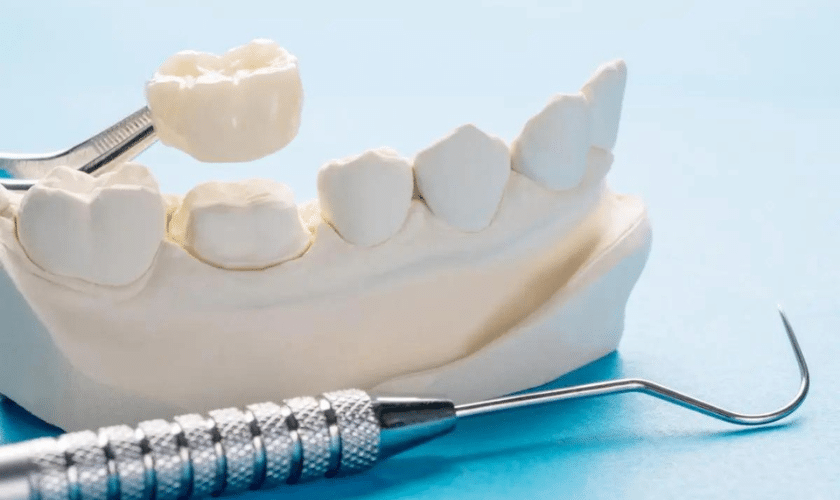
Dental crowns help restore the function and shape of teeth affected by cracks or fractures. They are created to fit over the existing tooth, forming a stable surface that blends with nearby teeth. The crown covers the entire tooth above the gum line, offering both structure and support.

Dentists may recommend crowns when a tooth has lost its natural strength due to decay or injury. A crown acts as a cover, protecting the inner layers from additional pressure. Patients who choose dental crowns in NYC usually seek efficient solutions to preserve their original teeth.

Why Crowns Are Used for Tooth Damage

A cracked or weakened tooth can still remain in the mouth when supported correctly. Rather than removing the tooth, a crown can offer strength and coverage to keep it intact. It helps prevent the damage from spreading deeper into the root or surrounding teeth, allowing the patient to avoid more extensive procedures.

Dentists in NYC assess the severity of the damage before choosing this treatment. If the crack does not reach the root and the tooth structure remains mostly intact, the crown can secure it in place. In situations involving large fillings or worn surfaces, a crown may be the preferred option to keep the area protected over time.

Steps to Complete a Crown Procedure

The placement of a crown typically takes two separate appointments at the dental office. During the first visit, the dentist reshapes the tooth and takes an impression to guide the final design of the crown. A temporary version is applied to protect the area while the lab fabricates the permanent crown using the selected material.

Once the permanent crown is ready, the dentist checks its fit and bite alignment before attaching it with dental adhesive. After placement, the patient can resume eating and speaking with comfort. The crown functions like a natural tooth and requires no special maintenance beyond regular brushing, flossing, and dental checkups.

Materials Used in Dental Crowns

Crowns come in several types of materials, each suited to different parts of the mouth or patient preferences. Porcelain is commonly chosen for front teeth because of its natural appearance, while metal or porcelain-fused-to-metal can be better for back teeth that endure more biting force. Some patients may also choose resin or ceramic options depending on specific goals and comfort levels.

Each material offers a balance of appearance, strength, and wear resistance. Dentists help determine the right choice based on the tooth’s location, daily use, and aesthetic concerns. Many patients seeking dental crown treatments in NYC consult with their providers to choose the most suitable material for their needs.

Benefits of Dental Crowns After Placement

After the final crown is bonded to the tooth, patients usually notice a smoother daily experience when eating and speaking. The crown fits securely and requires no extra effort to maintain, blending into the patient’s routine like any natural tooth. Some of the practical benefits NYC patients may experience from dental crowns include:

  • Reinforcing the tooth’s structure and shape
  • Improving bite strength and comfort
  • Preventing future damage or tooth decay
  • Enhancing the natural appearance of the smile
  • Supporting nearby teeth and jaw function

Access to Crown Treatments in NYC

Patients in NYC have access to dental professionals who provide focused crown treatments tailored to individual needs. Many local offices offer detailed consultations, modern equipment, and a streamlined process that helps patients complete their treatment efficiently. The availability of experienced providers in the area allows for flexible scheduling and support throughout each step. Those seeking dental crowns can expect a clear explanation of options, transparent procedures, and timely follow-ups from nearby practices equipped to handle a range of dental concerns.

Dental crowns in NYC give patients a reliable way to restore cracked or damaged teeth with minimal disruption. These restorations provide coverage, support, and stability without altering neighboring teeth. A crown helps preserve the natural tooth and encourages long-term oral health through regular dental care.

Kybella treatments in Texas have garnered significant attention as an effective option for individuals seeking to contour their jawline. This non-invasive procedure targets and eliminates fat beneath the chin, creating a more sculpted and defined appearance. The process uses a synthetic form of deoxycholic acid, which naturally breaks down fat cells, offering a less invasive solution compared to surgical alternatives in Texas.

For individuals interested in enhancing their jawline, Kybella injections in Texas provide a tailored solution. The treatments are designed to target stubborn fat in areas that may not respond well to diet or exercise. This article will explore the treatment process, expected outcomes, and long-term benefits to help you make an informed decision.

How Kybella Injections Work

The Kybella treatment process begins with a consultation with a qualified healthcare provider. During the consultation, the provider will assess your jawline and discuss your aesthetic goals. Once the treatment plan is established, Kybella injections are administered directly into the targeted fat areas.

The injections contain deoxycholic acid, a substance naturally present in the body that aids in fat absorption. When injected, this acid destroys fat cells, which are then gradually absorbed by the body’s natural processes. The outcome is a more defined and contoured jawline.

What to Expect During the Procedure

Before the injections, your provider may apply a topical numbing agent to reduce any discomfort. Some patients may experience mild swelling or redness at the injection site, but these effects typically subside within a few hours. The number of Kybella injections required varies depending on the amount of fat being treated and the desired outcome.

Most patients in Texas undergo multiple sessions to achieve optimal results, with each session spaced about a month apart. These treatments are relatively quick, with the entire process typically taking less than an hour.

The Benefits of Kybella Treatments

One of the main advantages of Kybella is its ability to contour the jawline without the need for surgery. This non-invasive procedure eliminates the need for incisions, stitches, or lengthy recovery times. Additionally, Kybella treatments in Texas are customizable to meet each patient’s specific needs, allowing for a more personalized approach.

Some of the benefits are:

  • A noticeable reduction in submental fat (double chin)
  • Improved facial profile and jawline definition
  • Minimal downtime and quick recovery
  • A permanent solution once fat cells are destroyed

Kybella injections in Texas offer several benefits to individuals seeking an effective way to enhance their appearance.

Expected Results After Treatment

While results vary from person to person, most patients begin to see noticeable changes after two to four treatment sessions. The body slowly eliminates the targeted fat over the weeks following each session. By the time the final treatment is completed, a more defined jawline should be visible.

Patients can expect to see significant improvements in the contour and definition of their jawline. The results, however, are gradual, so patience is key during the process. The full effects of the treatment typically become visible within six months after the last session.

Long-Term Outcomes of Kybella Treatment

One of the major advantages of Kybella is its long-lasting results. Since the procedure permanently destroys fat cells in the treated area, once fat is eliminated, it does not return. However, it is essential to maintain a healthy lifestyle to prevent any remaining fat from accumulating.

Most people find that the improvements to their jawline are permanent as long as they continue to maintain a balanced diet and regular exercise routine. This makes Kybella a great option for individuals seeking long-term results without the commitment or risks associated with surgery.

Kybella injections in Texas offer an innovative, non-invasive solution for individuals seeking a more defined jawline. With multiple sessions, patients can achieve a slimmer and sculpted appearance without the need for surgery. By choosing this treatment, individuals can enjoy lasting improvements in their facial contour, making Kybella a highly effective option for jawline enhancement.

Obtaining medical certificates through digital consultations requires completing specific steps through verified healthcare platforms. The process involves registering with licensed telemedicine services, providing personal health information, and participating in virtual assessments with qualified medical professionals. NextClinic streamline this process by connecting patients with certified doctors who can evaluate symptoms and issue appropriate documentation. The medical certificate system operates through secure digital channels that maintain the same medical standards as traditional in-person consultations. Licensed physicians conduct thorough assessments via video calls, review submitted health information, and determine whether patients meet criteria for medical leave or accommodation requirements.

Registration essentials

Setting up access for a medical certificate online involves confirming personal identification and submitting basic health details. Patients must provide government-issued identification, current contact details, and emergency contact information before accessing consultation services. Most platforms implement multi-factor authentication to protect patient privacy and ensure secure access to medical records. Account creation typically includes uploading identification documents, completing health questionnaires, and agreeing to privacy policies that govern how medical information is stored and shared. Verification processes usually complete within 24 hours, allowing patients to schedule consultations once their accounts receive approval from platform administrators.

Consultation booking

Scheduling virtual appointments involves selecting available time slots that match patient availability and physician schedules. Most platforms offer same-day or next-day appointment options for urgent medical certificate requests, while routine consultations may have longer waiting periods depending on demand and doctor availability. Booking systems typically display:

  • Available appointment times across different days and physicians
  • Consultation duration estimates based on the type of medical assessment needed
  • Cost information, including consultation fees and any additional charges
  • Cancellation policies and rescheduling options for changed circumstances
  • Preparation instructions for what patients should have ready during consultations

Virtual assessment process

Online medical consultations follow structured protocols that ensure comprehensive patient evaluation despite the remote format. Physicians conduct detailed interviews about symptoms, medical history, and current health conditions while observing visible signs of illness through video connections. Patients may need to demonstrate physical symptoms or describe pain levels to help doctors make accurate assessments. Documentation requirements during consultations include providing details about symptom onset, severity levels, and how health conditions impact work or daily activities. Doctors may request additional information such as temperature readings, photographs of visible symptoms, or reports from recent medical tests to support their evaluation and certificate issuance decisions.

Certificate delivery methods

  1. Encrypted email delivery to verified patient email addresses with password protection.
  2. Patient portal downloads from secure platform websites require login authentication
  3. SMS notifications with secure links to download certificates from protected servers
  4. Postal mail delivery for patients requiring physical copies for employer submission
  5. Direct transmission to employer systems, where patients authorise platform integration

Telemedicine platforms often implement follow-up procedures to monitor patient recovery and ensure appropriate medical care continuation. These may include scheduled check-in calls, symptom tracking through mobile applications, or referrals to local healthcare providers for in-person treatment when necessary. Ongoing support services help patients manage their health conditions while away from work and guide when to seek additional medical attention. Some platforms offer extended consultation packages that include multiple follow-up sessions at reduced rates for patients with chronic conditions requiring ongoing documentation.

The fast-paced world, digital health documentation has become increasingly common. Many people now obtain medical certifications without stepping in a clinic or hospital. This convenience brings its own set of challenges, particularly when it comes to verifying if these documents meet all requirements. The authenticities of your health documents can save you time and prevent potential issues.

Authentication markers

All legitimate medical documentation contains specific elements that verify its authenticity. When examining your health certificate, check for an official letterhead from the issuing healthcare provider. This letterhead should include the medical facility’s name, address, and contact information. Look for the physician’s full name, professional credentials, and registration number. These details establish that a qualified professional has authorized the document.

Digital signatures and specialized security features are also essential for valid health documents. Many certified practitioners use digital watermarks, QR codes, or unique identification numbers that can be verified through official databases. These technological safeguards make document forgery significantly more difficult and provide additional layers of security.

Verification portals and databases

Most health regulatory bodies maintain verification systems where you can confirm the legitimacy of your documentation. These online portals allow you to input the certificate number, physician’s registration details, or other identifying information to validate your document. Taking this extra step ensures that your certificate has been appropriately registered and meets all standards set by health authorities.

The online medical certificates should contain a verification code or reference number that links directly to these databases. Without this crucial identifier, the document may not be considered valid by employers, educational institutions, or other organizations requiring medical documentation. Always double-check that this verification information is visible and matches the information in the official database.

Time sensitivity and expiration dates

Valid health documentation always includes clear issues and expiration dates. Depending on your medical condition and the purpose of the certificate, validity periods can range from a few days to several months.  Setting calendar reminders for renewal dates is wise, particularly for conditions requiring ongoing documentation. Many healthcare providers offer renewal services that are even more streamlined than the initial application process, especially when you maintain your relationship with the same medical professional.

Protecting your health information

While sharing your online medical certificate when required, always be mindful of who receives this sensitive information. Legitimate organizations will have clear privacy policies explaining how they handle and store your health data. Review these policies and don’t hesitate to ask questions about data protection measures.

Keep digital copies of all your health documentation in secure, password-protected storage, and maintain control over physical copies. When submitting your certificate electronically, use encrypted channels whenever possible. This protective approach helps prevent unauthorized access to your personal health information.

When to question the validity

If something about your online medical certificate seems unusual, trust your instincts and investigate further. Legitimate health documentation will always come from verified medical professionals licensed to practice in your region. Any certificate lacking basic authentication elements should raise immediate concerns.

You can contact the healthcare provider to confirm the certificate’s validity if you have any doubts. Most medical offices have established procedures for verifying the documentation they’ve issued and will readily assist with confirmation requests. Reviewing your documentation ensures you present valid information that meets all requirements and standards.

Conventional treatments for ED, such as phosphodiesterase type 5 (PDE5) inhibitors (e.g., Viagra, Cialis) and intracavernosal injections, have been the go-to options for many men. While these treatments are effective in managing ED symptoms, they come with certain limitations:

  • Temporary relief – Oral medications and injections provide temporary relief from ED symptoms, requiring repeated use for each sexual encounter.
  • Contraindications – Certain health conditions, such as severe cardiovascular disease or the use of nitrate medications, may preclude the use of PDE5 inhibitors.
  • Lack of spontaneity – The need to plan and time medication intake or injections diminishes sexual spontaneity and intimacy.

Researchers and clinicians are exploring alternative approaches for ED, such as regenerative medicine.

Promise of regenerative medicine

The regenerative medicine field harnesses the power of the body’s healing mechanisms to repair, regenerate, and restore damaged tissue. ED treatment employs regenerative medicine techniques to address vascular insufficiency, nerve damage, and age-related changes in the penile tissue. Some of the regenerative medicine approaches being investigated for ED treatment include:

  1. Stem cell therapy – Using autologous (patient-derived) or allogeneic (donor-derived) stem cells to promote tissue regeneration and improve erectile function.
  2. Platelet-rich plasma (PRP) therapy – The injection of concentrated platelets derived from the patient’s blood to stimulate tissue repair and regeneration.
  3. Exosome therapy – Use of extracts from stem cells or other sources to deliver regenerative factors and promote healing.

Shockwave therapy – A complementary approach

Shockwave therapy involves the application of focused, low-intensity acoustic waves to the penis, which stimulate a series of biological reactions:

  • Neovascularization – Shockwaves trigger the formation of new blood vessels (angiogenesis) in the penile tissue, improving blood flow and oxygenation.
  • Nerve regeneration – Shockwave therapy improves nerve function, essential for erectile function.
  • Inflammation modulation – Shockwave therapy has anti-inflammatory effects, reducing inflammation in the penile tissue and promoting a healing environment.

By inducing these biological responses, shockwave therapy sets the stage for regenerative processes to occur, making it an ideal complement to regenerative medicine approaches in the treatment of ED.

Synergy of shockwave therapy

The combination of shockwave therapy and regenerative medicine techniques offers a powerful synergistic approach to treating ED. Utilizing both modalities, this combinatorial approach aims to provide men with erectile dysfunction with a more comprehensive and long-lasting solution. Here’s how shockwave therapy complements regenerative medicine in ED treatment:

  1. Priming the tissue – Shockwave therapy can prime the penile tissue, making it more receptive to regenerative treatments. Shockwaves create a favourable environment for regenerative factors by inducing neovascularisation and modulating inflammation.
  2. Amplifying regenerative effects – The biological responses triggered by shockwave therapy amplify the regenerative effects of stem cells, PRP, or exosomes. This synergy leads to more robust tissue regeneration, improved vascular function, and better erectile function outcomes.
  3. Reducing the need for repeat treatments – By combining shockwave therapy with regenerative medicine, the need for repeat treatments may be reduced. The tissue-priming and regenerative effects of shockwave therapy further enhance the long-lasting impacts of regenerative therapies.

Shockwave for ED Clinic Phoenix offers a comprehensive range of regenerative and state-of-the-art therapies. They stay current with the latest research and advances in the field, ensuring the most effective treatment for their patients.

If you’ve recently undergone a gastric sleeve in Baltimore or are planning to, understanding how your body might react to certain foods is crucial for your recovery and long-term success. Bariatric surgery alters your digestive system, which can change how your body tolerates specific foods. Learning about potential intolerances and making mindful dietary adjustments can help you avoid discomfort and support your health.

How Bariatric Surgery Impacts Food Tolerance

After bariatric surgery, your stomach size is significantly reduced. With less space for food and changes in digestive enzymes, your body may struggle to process certain items, leading to discomfort or adverse reactions. Understanding these changes can guide your food choices, ensuring a smooth post-surgery experience.

Foods to Be Cautious with After Surgery

High-fat and Fried Foods

Foods high in fat take longer to digest and can lead to nausea, bloating, or “dumping syndrome,” especially after bariatric procedures. Fried items like chips, fried chicken, or fatty cuts of meat should be avoided as they may cause significant discomfort.

Sugary Foods and Drinks

Sugary snacks, desserts, or sodas can increase the risk of dumping syndrome, a condition where the body reacts strongly to certain foods, leading to nausea, dizziness, or irregular bowel movements. opt for low-sugar alternatives and keep an eye on hidden sugars in processed foods.

Dairy Products

Post-surgery, many individuals discover they’ve developed lactose intolerance. Symptoms might include bloating, gas, or diarrhea after consuming milk, cheese, or yogurt. If you experience these issues, consider exploring dairy alternatives or read about navigating dairy delights post-gastric sleeve surgery for tips on handling dairy after surgery.

Raw Vegetables and High-Fiber Foods

Though raw veggies and fibrous fruits like broccoli, celery, or apples are healthy, they can be hard to digest post-surgery. Over time, you may reintroduce these foods but initially focus on cooked vegetables and easily digestible fruits to avoid gastrointestinal distress.

Carbonated Beverages

Sodas or sparkling water may feel refreshing, but the carbonation can cause gas and bloating, leaving you uncomfortable. It’s best to eliminate these from your diet entirely.

Safe Foods to Include in Your Diet

After bariatric surgery, it’s essential to transition gradually to ensure your stomach heals appropriately. Your diet will typically follow these phases:

  1. Liquid Phase – Consume clear liquids like water, broth, or sugar-free gelatin.
  2. Pureed Food Phase – Slowly introduce blended foods that are easy to digest.
  3. Soft Foods Phase – Incorporate soft items like scrambled eggs, mashed potatoes, or yogurt.
  4. Solid Foods Phase – Gradually move to solid foods, avoiding anything too spicy, fatty, or fibrous.

To learn more about meal planning in the soft foods phase, check out this helpful guide on a soft food diet plan after having surgical weight-loss therapy, which provides detailed meal ideas and tips for a smooth transition.

How to Identify Your Food Intolerances

Listen to Your Body

After surgery, you may not react to food like you used to. Introducing one food at a time and monitoring how your body responds is essential. If a particular food causes discomfort, consider eliminating it or reintroducing it later in smaller portions.

Keep a Food Journal

Tracking your meals, symptoms, and portion sizes in a journal can help identify patterns. This will make pinpointing problem foods easier and adjusting your diet as needed.

Seek Professional Guidance

Dietitians and bariatric specialists can provide a tailored dietary plan to help you manage your specific intolerances while meeting your nutritional needs.

Conclusion

Understanding food intolerances after bariatric surgery is key to avoiding discomfort and supporting recovery. By steering clear of problematic items, such as high-fat and high-sugar foods, and gradually introducing new ones, you can build a diet that works for your smaller stomach and keeps you feeling healthy. Utilize tools like food journals or refer to resources like the ones shared here to ease your dietary transitions. With a bit of patience and adjustment, you’ll pave the way for long-term success in your weight-loss journey.

Starting a weight loss journey can bring many changes to your body. While losing weight can be good for your health, it’s important to watch how your body responds. It’s important to be aware of any changes in your body and to consult with a doctor if there are any concerns. It’s also important to set realistic goals for yourself and to stay motivated throughout the process.

Physical changes during weight loss

When you begin losing weight, your body goes through several physical changes. You might notice your clothes fitting differently or see changes in your face and body shape. These changes often happen slowly, and it’s normal to see them develop over weeks or months. Many people who visit Medical Weight Loss Clinic Sacramento experience these gradual changes as part of their health journey.

Energy level shifts

Your energy levels may change as your body adjusts to weight loss. In the beginning, you might feel tired more often. After some time, many people notice they have more energy throughout the day. This improved energy helps them stay active and maintain their progress. Weight loss can affect how you sleep. People find that they sleep better and wake up feeling more refreshed when they do this. Others might need time for their body to adjust to new sleep patterns. The experienced team at Medical Weight Loss Clinic Sacramento often guides patients through these sleep changes successfully.

Hunger and appetite signals

Your appetite might change during weight loss.

  • Different hunger patterns
  • New food preferences
  • Changed meal timing needs
  • Better awareness of fullness signals

Mood and emotional changes

Weight loss can affect your emotions.

  • More confident
  • Sometimes frustrated
  • Proud of your progress
  • Different stress levels

Fat loss

Digestive system adjustments

Your digestive system often changes during weight loss.

  • Changed bowel movements
  • Different digestion patterns
  • New food sensitivities
  • Better gut health

Skin and hair changes

As you lose weight, your skin and hair might show changes

  • Skin may become looser
  • Different skin texture
  • Temporary hair changes
  • New skin sensitivity

Vital signs to monitor

Keep track of these important signs

  • Blood pressure levels
  • Heart rate changes
  • Body temperature
  • Breathing patterns

Fluid balance

Weight loss affects how your body handles fluids

  • Changed thirst signals
  • Different urination patterns
  • New sweat patterns
  • Water retention changes

Common temporary symptoms

Some temporary symptoms are normal

  • Mild headaches
  • Light dizziness
  • Short-term fatigue
  • Hunger changes

Positive progress signs

Look for these good signs

  • Better daily energy
  • Improved sleep
  • Stable mood
  • Better digestion
  • Comfortable exercise ability

While some changes are normal, knowing which signs need attention keeps you safe. Pay attention to your body’s signals and work with health professionals when needed. This knowledge helps you achieve your health goals safely and effectively. Medical Weight Loss Clinic Sacramento experiences gives these gradual changes as part of their health journey. Focus on steady progress and listen to your body’s signals for the best results.

Achieving weight loss goals requires more than just commitment; it necessitates a systematic approach, particularly when seeking guidance from a weight loss center. Regular check-ins serve as a crucial component in this process, allowing individuals to assess their progress, recalibrate their plans, and stay motivated. This article highlights the importance of regular check-ins during your weight loss journey.

Tracking Progress

One of the main benefits of regular check-ins is the ability to track progress. By reviewing your goals periodically, you can ensure that you’re staying on the right path. By consistently monitoring your weight and taking measurements, you can see how far you have come from your initial starting point. This not only provides a sense of accomplishment but also allows for adjustments in your plan if necessary. A reputable weight loss center in St. Louis can help you stay on track and provide guidance as needed.

Encouragement and Accountability

Having someone regularly check in on your progress can serve as a great source of encouragement and accountability. It creates a sense of responsibility and keeps you focused on your objectives. Knowing that you have an appointment or meeting with a professional at a weight loss center can motivate individuals to stay on track with their goals.

Identifying Challenges and Finding Solutions

During regular check-ins, individuals can discuss any challenges or roadblocks they may face in their weight loss journey. These discussions provide valuable opportunities for guidance and support, helping to overcome obstacles and tailor solutions that best fit each individual’s specific needs. As part of this process, understanding what to expect during your first visit to a weight loss doctor can help ease any uncertainties and set the stage for success. Additionally, it’s important to recognize the connection between weight loss and overall well-being, as it can significantly impact mental health.

Celebrating Milestones

Weight loss is a long and often challenging process, which is why it’s important to celebrate milestones along the way. Celebrating these achievements helps reinforce positive behavior. Regular check-ins provide an opportunity to recognize and celebrate progress, no matter how small, which can help motivate individuals to continue on their journey.

Conclusion

Regular check-ins during your weight loss journey are crucial for tracking progress, staying accountable, identifying challenges, and celebrating milestones. They serve as a reminder of your goals and provide support from professionals at a weight loss center. By incorporating regular check-ins into your weight loss plan, you can stay motivated and on track toward achieving your weight loss goals. Remember to regularly communicate with your healthcare provider for personalized advice and guidance throughout your journey.

Frequently Asked Questions:

1. Is weight loss surgery better than medication?

The best approach for weight loss may vary for each individual. It’s important to consult with a healthcare professional or weight loss specialist to determine the most suitable option for you. For more insights into selecting between weight loss surgery and Medication, you may check out this blog.

2. How often should I schedule a check-in at a weight loss center?

The frequency of check-ins may vary depending on individual needs and goals. It is recommended to discuss this with your healthcare provider or weight loss specialist.