
Category

Construction

Category

Construction projects require a diverse range of services to ensure that the work is completed efficiently, safely, and within budget. From site preparation to final touches, each service plays a crucial role in the overall success of a project. This guide will cover essential services like excavation, directional drilling, and other critical services that contribute to the smooth execution of construction projects.

Excavation Services: Ensuring a Solid Foundation

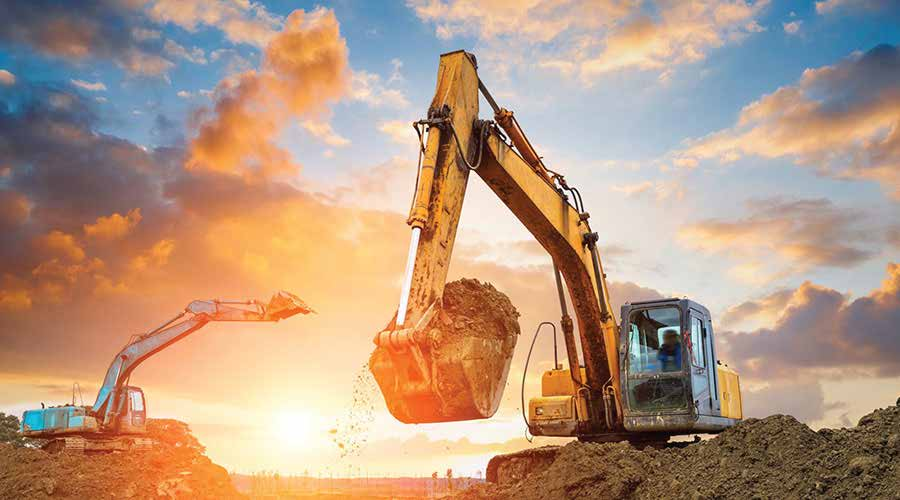
Excavation services are one of the first steps in any construction project. This service involves digging, removing, and moving earth to prepare the site for building. Whether it’s for laying foundations, creating trenches for utilities, or leveling the ground, excavation services are critical for establishing a stable foundation. A well-prepared site ensures that the building structure will be solid and durable, reducing the risk of issues down the road.

Directional Drilling Services: Minimizing Disruptions

Directional drilling services are essential for projects that require underground utility installation. Unlike traditional trenching methods, directional drilling allows for the installation of pipes, cables, and other utilities with minimal disruption to the surface. This service is particularly useful in urban areas where excavating large trenches could disrupt traffic, pedestrian pathways, and landscaping. By using advanced equipment, directional drilling services can accurately place utilities below the ground, saving time and reducing the need for costly restorations.

Concrete Services: Building Durable Structures

Concrete services are another key component of construction. From pouring foundations to creating floors, walls, and driveways, concrete is used extensively in almost every construction project. High-quality concrete ensures the durability and stability of the structures being built. This service requires skilled professionals who can mix and pour concrete in the correct proportions to meet structural specifications. Whether for residential, commercial, or industrial projects, concrete services are fundamental to the integrity of any building.

Electrical Services: Powering the Project

Electrical services are essential in any construction project, ensuring that the building has a reliable power source. This includes the installation of wiring, lighting, outlets, and circuit breakers. Electrical services also involve safety checks and compliance with building codes to ensure the electrical system functions properly and safely. Whether for residential, commercial, or industrial buildings, a skilled electrician is necessary to provide wiring systems that support the overall functionality of the structure.

Plumbing Services: Ensuring Water Supply and Drainage

Plumbing services are critical for any construction project, as they ensure that a building has access to clean water and efficient drainage systems. Plumbing involves installing pipes for water supply, waste removal, and gas lines. The installation of fixtures such as sinks, toilets, and water heaters also falls under this category. It’s vital to hire qualified plumbing professionals who adhere to local building codes and regulations to ensure the system is functional, safe, and long-lasting.

Roofing Services: Protecting from the Elements

Roofing services are necessary to complete any construction project, as they provide a protective layer against the elements. A properly installed roof is crucial for maintaining the structural integrity of the building and ensuring the comfort of its occupants. Roofing services include the installation of shingles, tiles, or metal roofing, as well as ensuring proper ventilation and insulation. The choice of roofing material will depend on the climate, building type, and budget, but expert roofing services are necessary for long-term protection.

HVAC Services: Ensuring Comfort and Efficiency

Heating, ventilation, and air conditioning (HVAC) services are essential for creating a comfortable living or working environment within a building. HVAC systems regulate temperature, humidity, and air quality, providing a safe and comfortable atmosphere for occupants. These systems require expert installation and regular maintenance to ensure they function efficiently, reduce energy consumption, and extend the lifespan of the equipment. Proper HVAC services are essential for both residential and commercial construction projects.

Landscaping Services: Enhancing the Exterior

Landscaping services are often an overlooked but essential part of construction projects. Once the building is complete, the exterior space needs to be designed and maintained to enhance the overall aesthetic appeal. Landscaping services include planting trees, shrubs, and flowers, as well as installing lawns, pathways, and outdoor features like patios or decks. A well-designed landscape can significantly improve the curb appeal of a property and provide a welcoming environment for residents or visitors.

Conclusion

Construction projects require a variety of essential services, each playing a unique role in the overall success of the project. From excavation services that lay the groundwork to directional drilling services that minimize disruptions, every service must be executed with precision and expertise. Whether dealing with concrete, plumbing, electrical systems, or HVAC, it’s essential to hire qualified professionals who can meet the specific needs of the project. With the right services in place, any construction project can be completed on time, within budget, and to the highest standards.
 

Falls are the leading cause of injury in the workplace, according to the Bureau of Labor Statistics (BLS). In fact, more than 5,000 workers die each year as a result of falls, and another 300,000 are treated in emergency rooms for fall-related injuries. While there are many things you can do to prevent falls at work, there are some common mistakes that companies make when it comes to fall protection USA. Here’s what you need to know about some of these mistakes — and how to avoid them:

  1. Failing To Plan

Planning is key! Before you begin any work, it is important to evaluate the situation and determine what type of fall protection is needed. This can be done by drawing out a site map and determining where hazards are located. Once you have determined what type of fall protection equipment is needed, you should make sure it is readily available before beginning work.

  1. Not Implementing A Fall Protection Program

Even if you don’t have any employees who work at heights or on slippery surfaces, it’s still important to implement a comprehensive fall protection program that addresses all potential fall hazards in your workplace. This includes ensuring that all existing equipment is safe for use and keeping up with maintenance so that equipment doesn’t become damaged or worn out over time.

  1. Not Following OSHA Requirements

OSHA requires that you provide fall protection equipment for workers who are exposed to falls of six feet or more. Many states have similar requirements, so make sure you know what your state requires before you start any construction project involving height.

  1. Not Using Proper Fall Protection Equipment

Fall protection USA equipment should be chosen based on how far a worker could fall and how high he or she will be working. If your job requires working at height, then think about using a personal fall arrest system or personal tether system (i.e., lanyard). If your job does not involve working at a height above ground level (AGL), then think about using personal fall restraint systems (i.e., guardrails). Also, consider using fall restraint systems for workers who work near hazardous machinery such as power saws or drills because these machines create dust that could cause someone to lose their footing if they are not wearing proper PPE (i.e., goggles).

  1. Using The Wrong Equipment For The Job

There are many different types of fall protection equipment available on the market today, from simple safety harnesses and lanyards to full-body harnesses and lifelines. The type of fall protection you need depends on the job that needs to be done – for example, if you’re doing maintenance work with a power tool above ground level or working overhead at heights greater than 10 feet, then a full-body harness may be ideal for your needs. If you’re installing scaffolding or working on high walls, then a lifeline may be better suited for these scenarios since they allow workers to move around freely while still being protected from falls.

  1. Not Utilizing A Shock Absorbing Lanyards

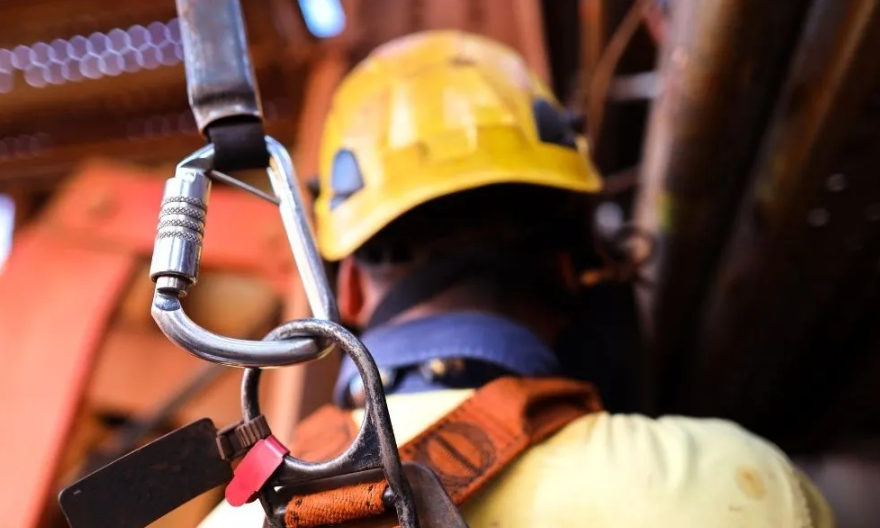
In order to ensure your safety while at work sites that require fall protection USA, it’s important that you utilize proper accessories such as shock-absorbing lanyards or harnesses. These accessories help reduce the distance between you and the ground should an accident occur, which would otherwise result in serious injury or death if not using these safety devices.

  1. Failing To Properly Inspect & Maintain Equipment

If you are using any type of equipment that could potentially fail while you’re at work, it’s important that both yourself and your employer know how to properly inspect it before use and how often it needs maintenance checks performed on it. For example, if you’re working with scaffolding or ladders, make sure they’re structurally sound before using them! Inspections should be done frequently so that any concerns can be addressed immediately; otherwise, there could be serious consequences if something goes wrong during work hours!

  1. Neglecting Training

Just as important as having a rescue plan is making sure everyone knows how to use it properly. One of the biggest mistakes employers make is not providing their employees with proper training on the equipment they’ll be using. If your employees aren’t aware of the hazards associated with working at heights, they won’t know what measures they should take to prevent slips and falls.

  1. Not Providing A Rescue Plan

If you work at heights, you should always have an emergency escape plan in place. This includes having someone stationed below during your climb and ensuring they know how to use all necessary equipment, such as lanyards and harnesses. It also means making sure that an elevator is available if needed so someone can come up to help if necessary.

Conclusion:

So, there you have it: nine common mistakes that you should try your best to avoid. No matter what style of fall protection USA is being used in your area, it can be dangerous and even deadly if not used correctly. That’s why these mistakes are so easy to make and why it’s important that everyone understands them. Best of luck out there!

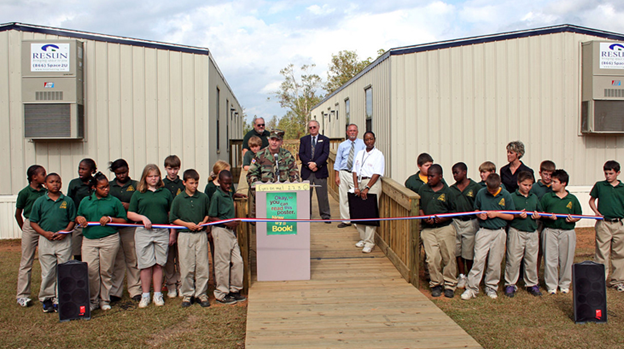
With urgent construction and cost benefits, temporary classrooms in WA can be a wise investment. You can use modular buildings for a variety of purposes, including. That includes providing a versatile and cost-effective option for schools looking to expand their facilities.

But the main feature of these temporary classrooms is their customizability. You can choose from a variety of features that allow you to personalize them to suit your goals. Here are some of the key reasons why the flexibility of prefabricated, transient school buildings makes them particularly valuable.

Tailored Construction

One of the main benefits of customizability in temporary classrooms is a bespoke design. They they can be designed to fit the specific needs of the organization that is using them. This allows the school to create a more efficient or compact learning environment.

For example, perhaps a school needs to add classrooms to accommodate a growing student population. In that case, they can work with a manufacturer to design several temporary classrooms that fit their specific needs.

This might include things like the size of the room, the layout, the materials used, and even the type of technology that will be incorporated into the space.

Modifiability of Completed Structures

Another benefit of customizability in temporary classrooms is that they can be easily adjusted or modified as needed. If you need to update the layout of a space or add more features, you can do so with relative ease.

Just contact the providers of your temporary classrooms and they will work with you to make the necessary changes. This is a huge benefit when it comes to creating an educational environment that meets the needs of your students.

For instance, schools needing to add more classrooms in the future can work with the manufacturer to design an extension. That can be added to the existing temporary classroom. This allows organizations to change and adapt their space as their needs change. Flexibility can be particularly valuable in a rapidly growing or changing educational environment.

Class-Based Construction

Customizability also allows temporary classrooms to be designed to meet the specific needs of different age groups or subject areas. This allows organizations to create a space that is specifically suited to the specific needs of their students. This can help to improve the overall learning experience.

For example, a temporary classroom that is designed for early education might include features like lower countertops and smaller furniture. Meanwhile, a classroom designed for high school students might include more advanced technology and a more open layout.

Similarly, classes that cater to children with special needs or are used to teach multiple subjects can be designed with special features and accommodations in mind. The degree of these changes can be adjusted with time based on how many students will benefit from them.

Modernizing Educational Space

Another important aspect of customizability in temporary classrooms is the ability to incorporate technology into the design. As modern educational spaces become increasingly digitized, it’s important that temporary classrooms can keep up with the times.

For example, many temporary classrooms can be equipped with interactive whiteboards, projector systems, and other advanced technology. Additions like these might be easier with temporary classrooms.

This allows organizations to create a space that is not only functional but also engaging and interactive. The result is an improved learning experience for students. This can help to improve student engagement and learning outcomes.

Conclusion

Overall, customizability is the flagship benefit of temporary classrooms. This is the feature that makes them such a valuable option for schools and other organizations with unique accommodation needs. With the ability to design a space that meets the specific needs of an organization.

Everything from adapting and modifying the space as needed to incorporating technology into the design becomes easier. Temporary classrooms WA offer a wide range of benefits that can help to improve the overall learning experience for students.