
Author

Clare Louise

Browsing

Daily habits reveal more about vehicle needs than many people expect. Commute length, errands, and family plans all shape the right choice. Small details in routine life can guide smarter decisions. Traffic patterns, parking situations, and cargo needs also play an important role in narrowing down suitable options in Visalia.

Short Commutes and City Travel

Frequent short drives around Visalia often suit compact cars or small sedans. Many drivers near Visalia Toyota notice these models help with fuel use and easy parking. Light steering and a smaller size aid in smooth travel in traffic. These traits support stress-free city movement.

Stop-and-go routes call for good visibility and simple controls. Clear gauges and responsive brakes add comfort during busy hours. Limited cargo needs also match the smaller trunk space. This setup may help improve daily convenience.

School Runs and Family Schedules

Family routines often involve school trips and activity drop-offs. SUVs with flexible seating help manage child seats and gear. Extra rear space aids comfort on short and long rides. A higher ride height can improve the road view.

Storage matters when sports bags or groceries share space. Rear climate vents keep passengers comfortable. Easy entry and wide seating areas support daily use. These features align well with busy household life.

Cabin Space Priorities

Cabin layouts influence comfort during routine travel. Fold flat seats help when cargo needs change. Cup holders and storage bins reduce clutter. Thoughtful space design supports smoother daily movement.

Long Highway Drives for Work

Drivers who cover long distances from Visalia need comfort and efficiency. Sedans with supportive seats may help reduce fatigue. Smooth ride quality aids in steady control at highway speeds. Good fuel economy supports lower travel costs.

Noise control inside the cabin also matters. Stable steering response helps during extended trips. Trunk space fits work bags and personal items. This balance supports regular highway use.

Weekend Errands and Mixed Use

Some routines combine errands, shopping, and family visits in Visalia. Crossovers offer a blend of cargo room and car-like handling. Moderate size aids to easy parking yet keeps space flexible. This balance fits varied weekend plans.

Look for these traits:

  • Split rear seats
  • Adjustable cargo floor
  • Easy access tailgate
  • Clear rear visibility

These details help manage changing tasks.

Outdoor Plans and Recreation

Trips beyond Visalia for parks or trails call for added capability. All Wheel Drive systems may help improve traction on uneven surfaces. Higher ground clearance supports travel on rough paths. Roof rails allow extra gear transport.

Durable interiors also play a role in active lifestyles. Easy clean surfaces handle dirt from shoes or gear. Strong suspension setups support comfort on mixed terrain. These features match recreation-focused schedules.

Tech Use During Daily Travel

Daily life in Visalia often includes calls, maps, and music on the move. Touchscreens with simple menus help reduce distraction. Smartphone integration aids easy access to apps. Clear audio systems support hands-free communication during commutes and errands.

Driver assist features also support routine travel. Alerts for nearby vehicles may help improve awareness in traffic. Rear cameras aid to safer parking in tight spaces. These tools fit tech-focused habits and add extra confidence during everyday drives.

Routine patterns often point toward the right vehicle style. Many shoppers review options at Visalia Toyota, for instance, while comparing needs. Matching features to daily habits helps create a more practical choice. A clear link between lifestyle and vehicle type supports long-term satisfaction on roads around Visalia.

Golf has long been seen as a sport of tradition, prestige, and exclusivity. Yet, barriers such as cost, access to courses, and geographic limitations have restricted its growth in many regions. With the rise of golf simulators, especially accessible options like Phigolf 2, the game is reaching new audiences worldwide – transforming golf into a truly global sport.

Breaking Down Geographic Barriers

In many countries, golf courses are scarce or prohibitively expensive. A portable golf simulator like Phigolf makes the sport accessible to people who may never have had the chance to play otherwise. By bringing golf indoors, players can practice and enjoy the game from anywhere in the world, without needing acres of turf.

Lowering the Cost of Entry

Traditional golf comes with high costs: club memberships, green fees, and equipment. Simulators change that dynamic. With Phigolf, players can use a golf swing trainer indoor system that provides realistic gameplay and practice at a fraction of the price. This affordability makes it one of the most effective golf training devices for beginners.

Building Global Communities

Phigolf isn’t just a tool for practice – it’s also a platform for connection. Through its interactive golf features and multiplayer modes, players can compete with friends worldwide. These digital tournaments bring golfers from different countries together, strengthening global interest and engagement.

Supporting Player Development Anywhere

From Asia to South America, golfers of all skill levels can now access training once limited to premium facilities. Phigolf’s golf swing analyzer and golf practice simulator help users improve your golf swing without needing professional coaches on-site. This democratization of training fosters a new generation of golfers across continents.

Why Phigolf 2 Leads the Movement

The Phigolf 2 combines portability, affordability, and connectivity, making it a leading choice among golf simulator brands. Unlike bulky professional golf simulator setups, it brings golf to anyone, anywhere – helping the sport grow beyond traditional boundaries.

Conclusion

Golf simulators are more than just training tools – they’re vehicles for global expansion. By breaking barriers of geography and cost, Phigolf is making golf accessible to new audiences and strengthening international connections. It’s not only helping golfers improve; it’s shaping the future of the sport worldwide. Explore this innovation at the official Phigolf Store.

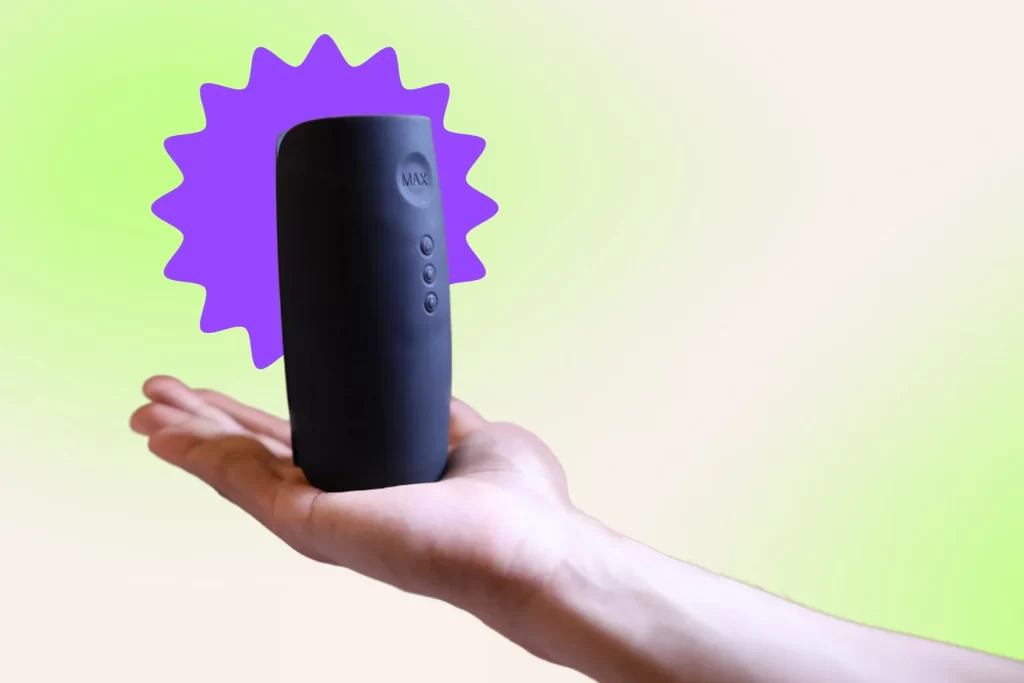
In the rapidly evolving world of personal pleasure, few products have made as significant an impact as the suction stroker. As technology and design continue to blend seamlessly with human needs, the modern male masturbator has become more than a simple tool — it’s an innovation redefining how men experience intimacy, satisfaction, and self-awareness. The suction stroker, in particular, stands out for its ability to replicate lifelike sensations, offering a deeper, more engaging encounter than ever before.

Traditionally, male self-pleasure has been viewed through a functional lens, often limited in discussion and development. For decades, men were left with little beyond imagination and their hands, with almost no mainstream acknowledgment of the emotional or sensual depth that self-pleasure could offer. However, that landscape is shifting. As the conversation around sexual health and wellness becomes more inclusive and informed, men are exploring new avenues of connection with their own bodies — and suction strokers are quickly becoming a preferred path.

What makes the suction stroker so compelling is its ability to simulate realistic sensations through a sophisticated use of air pressure and internal movement. The suction effect creates rhythmic pulses that mimic the sensations of oral or penetrative sex. It’s not just about stronger stimulation; it’s about control, customization, and comfort. Users can adjust the intensity and tempo, allowing for a personalized experience that reflects their own unique preferences. The result is not only heightened pleasure but also a greater sense of engagement and awareness during solo sessions.

The psychological appeal of these devices cannot be overlooked. In a time when stress and digital overload are constant companions, the suction stroker offers more than just physical release. It provides a moment of escape — an immersive, private retreat where pleasure takes center stage. For many men, this isn’t just about indulgence; it’s about wellness. Just as meditation or exercise helps recalibrate the mind and body, the use of a male masturbator can offer a deeply satisfying form of relaxation and emotional reset.

What’s particularly noteworthy is how suction strokers are helping to reshape narratives around masculinity and vulnerability. In embracing such devices, men are breaking away from outdated ideas that associate emotional restraint or sexual simplicity with strength. Instead, they are stepping into a more open and accepting mindset — one that values exploration, self-respect, and personal pleasure. This shift isn’t about replacing human connection but enhancing the one they have with themselves. When men are in tune with their own desires and comfort, it often leads to better communication and intimacy in relationships with others.

There’s also an element of curiosity and excitement that suction strokers bring to the table. With their sleek design and advanced features, these male masturbators feel less like novelty items and more like thoughtfully engineered pleasure companions. They invite men to try something new, to explore without judgment, and to experience sensations beyond what they thought was possible through traditional means. This sense of discovery can reignite interest in solo intimacy, offering a fresh and exciting perspective on what pleasure can be.

As the cultural acceptance of male pleasure products continues to grow, suction strokers are moving out of the shadows and into the spotlight. No longer confined to niche conversations, they are becoming a central part of the larger narrative about sexual wellness and self-care. Their popularity signals not just a change in consumer behavior, but a deeper, more meaningful transformation in how men view themselves and their needs.

In the end, the success of the suction stroker is about more than just innovation — it’s about empowerment. It’s a celebration of intimacy without shame, curiosity without limits, and pleasure without compromise. As more men embrace this technology, they’re not just choosing a new way to feel good; they’re choosing to understand, appreciate, and care for themselves in a way that’s long overdue.


Maintaining a spark in any relationship can be challenging, especially when most of our interactions are conducted over text messages due to distance or busy schedules. However, it is possible to keep the chemistry alive and even strengthen your bond through this mode of communication if done correctly.

The first step towards maintaining chemistry over text is by being genuine. Authenticity goes a long way in any form of interaction. Your texts should reflect your true personality and feelings without pretense. This not only helps to maintain the connection but also builds trust between you and your partner.

Another key aspect is consistency. Consistency does not necessarily mean texting every minute but having regular check-ins with each other throughout the day or week depending on what works best for both parties. It could be as simple as wishing each other good morning or sharing highlights from your day.

Emojis can also be quite helpful when trying to convey emotions over text since they help add tone and feeling which might otherwise get lost in written words alone. They make conversations more lively and fun, thus maintaining that spark.

Flirting plays an essential role in keeping the chemistry alive over text too. A well-placed compliment or playful teasing can ignite excitement and anticipation just like it would during face-to-face interactions.

However, it’s important not to limit conversations strictly to flirting or mundane daily updates; deep meaningful discussions have their place too. Sharing dreams, fears, successes, failures – these all contribute towards building emotional intimacy which further Sex Games strengthens the bond between two people even if they’re miles apart physically.

Remembering details about past conversations shows attentiveness and interest in one’s life which is always appreciated by anyone regardless of gender or age group. Bringing up such details subtly during future conversations assures them that you value their thoughts and experiences thus making them feel special and wanted.

Lastly but most importantly, don’t forget that actions speak louder than words – even on digital platforms! Surprise them occasionally with thoughtful gestures like sending a heartfelt voice note or scheduling virtual dates. These actions help to break the monotony of regular texting and bring about a sense of novelty that keeps the chemistry alive.

In conclusion, keeping the chemistry alive over text is all about being genuine, consistent, engaging in both light-hearted and deep conversations, remembering details from past chats, and surprising each sex chat other occasionally with thoughtful gestures. It’s not as difficult as it may seem; with a little effort and creativity, you can keep that spark burning bright even when miles apart!

In 2023, there are approximately 16.8 billion mobile devices worldwide, many of which rely on either a physical Subscriber Identity Module (SIM) card or a digital eSIM. Both serve the same purpose—identifying users on cellular networks like AT&T, Verizon, and T-Mobile. However, the way they integrate with devices differs significantly. So, now let us see are eSIMs replacing traditional SIMs along with User-friendly LTE RF drive test tools in telecom & RF drive test software in telecom and User-friendly 4G Tester, 4G LTE Tester, 4G Network Tester and VOLTE Testing tools & Equipment in detail.

A SIM card is a physical chip that can be inserted into and removed from devices, while an eSIM is embedded directly into a device’s hardware. Both technologies allow users to connect to mobile networks, but the rise of eSIMs has sparked discussions about whether traditional SIM cards are nearing obsolescence.

The Evolution of SIM Technology

The first SIM card was introduced in 1991 by the German company Giesecke+Devrient, with the initial batch of 300 cards sold to Finnish wireless network operator Radiolinja. These early SIMs were the size of a credit card and primarily stored contact information and messages, functionalities now largely handled by cloud storage.

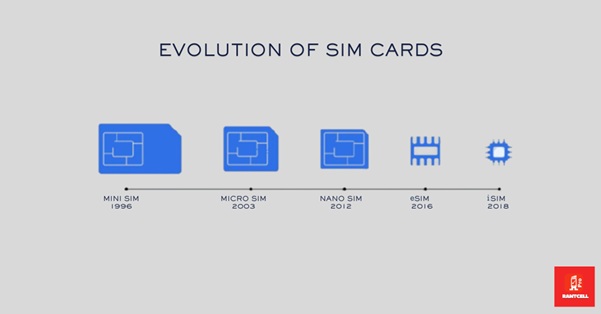
Over time, SIM cards became smaller and more efficient. In 1996, the mini SIM was introduced, followed by the micro SIM in 2010, which debuted in Apple’s iPhone 4. The nano SIM, released in 2012, remains the smallest form factor for physical SIMs.

In 2017, the eSIM was launched, representing a shift toward a fully digital solution. Unlike traditional SIM cards, eSIMs are embedded into a device’s motherboard, eliminating the need for a physical SIM tray. Jeff Fieldhack, a research director at Counterpoint Research, noted, “The eSIM is a natural evolution, as it saves space, is more efficient, and consumes less power.”

As device manufacturers reduce reliance on physical components like headphone jacks, the transition away from SIM trays seems inevitable.

eSIM Adoption: Current Trends and the Road Ahead

Most smartphones released after 2020 support both a physical SIM card and an eSIM, enabling dual-SIM functionality. This allows users to maintain separate contact lists and connect to multiple networks simultaneously. For example, travelers can temporarily use a foreign network while retaining their primary SIM.

In 2022, Apple took a significant step by launching the US version of the iPhone 14 without a SIM tray, making it the first mainstream eSIM-only smartphone. Other manufacturers are expected to follow suit, with the eSIM market projected to grow by $11.6 billion over the next five years.

Beyond smartphones, eSIM technology is increasingly used in devices such as smartwatches, laptops, and IoT hardware. Cellular-enabled versions of the Apple Watch, Samsung Galaxy Watch, and Huawei Watch already utilize eSIMs. Additionally, Windows 10 and 11 support eSIM connectivity, paving the way for always-connected laptops.

Advantages of eSIM Technology

eSIMs offer several benefits that contribute to their growing adoption:

  1. Digital Activation: eSIMs can be activated and updated remotely, allowing users to switch carriers without handling physical cards.
  2. Travel Flexibility: Users can temporarily connect to local networks while abroad without needing to acquire a new SIM card.
  3. Space Savings: eSIMs eliminate the need for a SIM tray, freeing up space for other components within devices.
  4. Environmental Benefits: Since eSIMs do not require plastic cards or packaging, they generate less waste.
  5. Loss Prevention: Unlike physical SIMs, eSIMs cannot be misplaced unless the entire device is lost.

Challenges of eSIMs

Despite their advantages, eSIMs come with certain limitations:

  1. Device Switching: Transferring an eSIM to a new device is less straightforward than moving a physical SIM card.
  2. Troubleshooting: Users cannot test network issues by swapping the SIM into another device.
  3. Compatibility: eSIMs are only supported by unlocked devices, excluding those tied to specific network providers.
  4. Limited Coverage: Not all networks or regions currently support eSIMs.

The Rise of iSIM Technology

As eSIMs gain traction, the next iteration of SIM technology—integrated SIMs (iSIMs)—is emerging. Unlike eSIMs, which are soldered to a device’s motherboard, iSIM functionality is directly embedded into the device’s central processing unit (CPU).

Advantages of iSIMs

iSIMs bring several key improvements over traditional and embedded SIMs:

  1. Power Efficiency: iSIMs use approximately 70% less power, potentially extending device battery life.
  2. Smaller Size: By integrating SIM functionality into the CPU, iSIMs can be up to 98% smaller than eSIMs.
  3. Lower Manufacturing Costs: The simplified design and fewer required components reduce production expenses by nearly half.
  4. Network Flexibility: Like eSIMs, iSIMs allow users to switch networks, making them ideal for IoT devices.

However, the development of iSIMs is more complex and time-intensive due to the integration process, which could delay widespread adoption compared to eSIMs.

Future of SIM Technology

The adoption of eSIMs and iSIMs is expected to continue growing, driven by advancements in connectivity technologies like 5G and private networks. While iSIMs present a compelling future, they are unlikely to completely replace eSIMs in the near term. Analysts predict the eSIM market will reach a value of $16.3 billion by 2027.

As both technologies coexist, their evolution will shape the mobile and IoT ecosystems, offering enhanced flexibility, efficiency, and sustainability.

About RantCell

RantCell simplifies network testing by turning any smartphone into a sophisticated, real-time monitoring tool. It captures vital metrics like signal strength, download speed, and latency with ease, streamlining the way telecom providers and enterprises analyze network performance.

Designed for efficiency, RantCell eliminates the need for expensive hardware, offering a cost-effective and scalable solution that excels in both urban landscapes and remote areas. Its cloud-based architecture ensures precise, reliable data, empowering users to identify and resolve network issues swiftly. Also read similar articles from here.

The evolution of wireless technology is moving at an unprecedented pace, with 6G emerging as the next frontier. Key individuals and organizations worldwide are laying the groundwork for its development. This article provides an overview of prominent leaders and their contributions to the advancement of 6G technology. While the list is not exhaustive, it highlights pivotal contributors shaping this transformative technology. So, now let us see leading figures driving 6G technology development along with User-friendly LTE RF drive test tools in telecom & Cellular RF drive test equipment and User-friendly Mobile Network Monitoring Tools, Mobile Network Drive Test Tools, Mobile Network Testing Tools in detail.

Understanding Leadership in 6G Research

6G research is a collaborative effort involving global technology companies, academic institutions, and public-private partnerships. The advancement of 6G requires expertise in diverse fields such as artificial intelligence (AI), cybersecurity, and advanced network architectures. By examining contributions from corporate leaders and researchers, we can better understand the roles they play in accelerating 6G development.

Key Corporate Leaders in 6G Research

Major multinational technology companies are actively engaging in 6G research. Below are examples of corporate leaders who have publicly demonstrated a commitment to this emerging field:

  1. Chris Boyer (AT&T)
    As Vice President of Global Security and Technology Policy, Chris Boyer has contributed significantly to discussions on Open Radio Access Network (O-RAN) and its potential role in 6G networks. His insights during strategic panel discussions highlight AT&T’s focus on secure and scalable 6G architectures.
  2. Jan Soderstrom (Ericsson)
    Jan Soderstrom, Vice President and Head of Advanced Technology in the U.S., is driving Ericsson’s 6G research initiatives. He actively participates in 6G summits, providing valuable perspectives on the integration of advanced wireless technologies.
  3. Sanjay Udani (Verizon)
    As Vice President for Policy, Sanjay Udani oversees Verizon’s approach to emerging technologies, including 6G. His responsibilities encompass cybersecurity, privacy, spectrum, and supply chain security—key factors in shaping the future of wireless communication.

Academic and Research Contributions to 6G

Academic institutions play a crucial role in advancing 6G technology. Research centers such as the 6G@UT Lab at the University of Texas at Austin are pioneering innovations in this space. Funded by the NextG Alliance, the lab’s work exemplifies the interdisciplinary approach required for 6G development. Key contributors include:

  1. Jeffrey G. Andrews
    Serving as the Director of the 6G@UT Lab, Andrews leads research on spectrum extensions and wireless network optimization. His work emphasizes the application of machine learning (ML) to enhance network architectures, a critical component for 6G deployment.
  2. Todd E. Humphreys
    Humphreys heads research on pervasive sensing. This area involves leveraging 6G networks as platforms for continuous data collection, enabling ML algorithms to dynamically optimize network performance. Additionally, sensing-as-a-service models are expected to redefine the role of wireless systems.
  3. Gustavo de Veciana
    De Veciana’s work focuses on open network architectures, including network slicing and resource sharing. By building on the O-RAN paradigm, his research aims to create customizable, automated, and software-driven network solutions.

Notable Leaders in Public-Private Partnerships

The NextG Alliance, a North American initiative, exemplifies the collaborative efforts required to achieve 6G capabilities. Key figures driving this partnership include:

  1. David Young
    As Managing Director of the NextG Alliance, Young coordinates efforts among member organizations to establish a comprehensive 6G roadmap.
  2. Eric Burger
    Serving as Academic and Research Liaison Office (ARLO) Director, Burger facilitates collaboration between academic researchers and industry stakeholders. His work ensures that the latest innovations are incorporated into the alliance’s strategic framework.
  3. Steering Group Co-Chairs
    Devaki Chandramouli (Nokia), Brian Daly (AT&T), and Benoit Pelletier (VMware) lead the steering group. Their combined expertise spans network infrastructure, software development, and policy advocacy, ensuring a holistic approach to 6G research.

Global Contributions to 6G Research

Beyond North America, leaders from Europe and Asia are making significant strides in 6G technology:

  1. Dr. Mikko A. Uusitalo (Nokia Bell Labs)
    As Project Lead for the EU’s Hexa-X initiative, Dr. Uusitalo coordinates research efforts to define 6G’s vision and technical requirements. Nokia’s leadership in Hexa-X underscores its commitment to fostering innovation and collaboration.
  2. Andy Clegg (Google)
    Clegg’s work as Spectrum Engineering Lead focuses on innovative spectrum utilization techniques and regulatory frameworks. These efforts aim to maximize the efficiency and availability of spectrum resources for future networks.
  3. Micaela Giuhat (Microsoft)
    As Director of 5G Policy, Giuhat is expected to shape Microsoft’s strategic approach to 6G. Her advocacy for favorable regulatory conditions highlights the importance of policy in driving technological advancements.
  4. Dr. Hyunho Park (Samsung Research)
    Dr. Park leads the Advanced Communications Research Center, spearheading Samsung’s global investments in 6G. His contributions include research on network technologies that aim to establish Samsung as a leader in the field.

Future Directions in 6G Research

As the technology continues to mature, new experts and organizations will emerge, contributing to the development of 6G. Collaboration among stakeholders from private companies, academic institutions, and regulatory bodies will remain essential. The integration of AI, advanced sensing, and innovative spectrum management techniques will redefine wireless communication, making 6G a transformative force in connectivity.

Conclusion

The journey to 6G involves a diverse array of leaders, each contributing unique expertise to this ambitious endeavor. From corporate executives driving strategic initiatives to researchers developing groundbreaking technologies, these individuals are shaping the future of communication. Continued collaboration and innovation will ensure that 6G not only meets but exceeds the expectations of a hyper-connected world.

About RantCell

RantCell turns your smartphone into a powerful tool for testing and monitoring networks. It measures important things like signal strength, download speed, and latency in real time, helping telecom providers and businesses find and fix problems quickly.

With RantCell, there’s no need for expensive equipment. It’s an affordable and easy-to-use solution that works well in cities and remote areas. Plus, its cloud platform ensures accurate and reliable results. Also read similar articles from here.

Vehicle maintenance can be expensive, especially when it comes to repainting or repairing damage caused by daily wear and tear. Paint Protection Film (PPF) is a practical solution to safeguard your car’s exterior and avoid costly repairs.

  • Prevents Paint Damage

PPF acts as a durable shield against various forms of damage.

  • Stone Chips and Scratches: Protects vulnerable areas like the hood and fenders from gravel and debris.
  • Environmental Factors: Resists damage from UV rays, acid rain, and road salt.
  • Daily Wear: Guards against minor abrasions caused by routine use.

By preserving the paint, PPF eliminates the need for touch-ups and repainting.

  • Reduces Maintenance Costs

Maintaining your car’s exterior becomes easier with paint protection.

  • Hydrophobic Properties: Repels water, dirt, and oil, reducing the frequency of washes.
  • Easy Cleaning: Smooth surfaces allow for quick and effortless cleaning.
  • Scratch Resistance: Prevents the accumulation of fine scratches that dull the paint’s finish.

These features save time and money on cleaning and maintenance.

  • Protects Against Long-Term Damage

PPF minimizes the effects of gradual wear and tear.

  • Corrosion Prevention: Seals paint from moisture, preventing rust formation.
  • UV Resistance: Protects against fading and discoloration caused by prolonged sun exposure.
  • Heat Protection: Prevents cracking or warping in extreme temperatures.

This long-term protection ensures the car retains its original look for years.

  • Enhances Resale Value

A well-maintained exterior significantly increases the resale value of your vehicle.

  • First Impressions: Buyers are drawn to cars with flawless paint.
  • Fewer Repairs: A protected exterior reduces the need for pre-sale touch-ups.
  • Investment Recovery: The cost of installing PPF is offset by the higher resale price.

Paint protection makes your car more appealing to potential buyers.

  • Avoids Costly Repainting

Repainting a car can be expensive, especially for premium finishes.

  • High-Quality Coating: PPF preserves the factory paint, eliminating the need for repainting.
  • Localized Protection: Protects high-impact areas like bumpers and door edges, reducing damage.
  • Warranty Benefits: Many protection films come with warranties, covering replacement costs if needed.

Avoiding repainting expenses is one of the biggest financial benefits of PPF.

  • Easy Repair or Replacement

If PPF is damaged, it’s easier and cheaper to repair or replace than repainting.

  • Localized Replacement: Damaged sections of the film can be replaced without affecting the rest.
  • No Paint Damage: Removal leaves the underlying paint intact.
  • Affordable Upkeep: Routine checks and minor fixes are more cost-effective than major repairs.

This convenience ensures your vehicle remains in top condition at a fraction of the cost.

Conclusion

ProShield paint protection offers significant financial benefits by preventing damage, reducing maintenance, and preserving your vehicle’s resale value. Whether protecting against daily wear or long-term environmental factors, investing in PPF is a cost-effective way to maintain your car’s appearance and avoid expensive repairs.

The term “milf” has become quite popular in recent years, especially within the realm of internet culture. For those who may not be familiar with the term, milf stands for “mom I’d like to fuck.” It is used to describe attractive older women who are mothers.

In today’s society, there seems to be a growing fascination with milfs. They are often portrayed as confident, independent, and sexually empowered women who are unapologetically themselves. This portrayal has sparked discussions about ageism and sexism in our society.

One of the reasons why milfs have gained such popularity is because they defy traditional societal norms around aging and motherhood. In the past, women were expected to conform to certain standards of beauty and behavior as they aged. However, milfs challenge these expectations by embracing their sexuality and desirability well into their adult years.

From a modern perspective, milfs can be seen as symbols of empowerment and liberation for women of all ages. They show that it is possible to be both a mother and a sexual being without having to sacrifice one’s identity or desires. This representation is important in a world where women are often judged based on their age and appearance.

Furthermore, the concept of milfs challenges traditional notions of beauty by celebrating women who may not fit into mainstream ideals of youthfulness and perfection. By doing so, it promotes diversity and inclusivity in our understanding of attractiveness.

It is also worth noting that the term milf city can be problematic at times as it reduces women to their sexual desirability based on their status as mothers. It can perpetuate harmful stereotypes about older women being solely defined by their relationships with men.

Despite these criticisms, there is no denying that milfs have become an integral part of popular culture today. They are celebrated in movies, TV shows, music videos, and even social media platforms. Their presence serves as a reminder that beauty comes in all shapes, sizes, and ages.

In conclusion, the vibrant world of milfs offers a modern perspective on aging, sexuality,and motherhood. It challenges societal norms around these concepts while promoting empowerment for women everywhere.

Most owners want to find something that can help their pets, and the best chemical in cannabis that is non-psychoactive is CBD. Among the advantages are reducing inflammation and anxiety. The other reason owners have to investigate is digestibility. In that case, bioavailability shows the amount of drug that reaches the bloodstream and hence becomes available for use or storage. It shows how fast and more effectively CBD oil will work in dogs. How dogs absorb, build, and excrete CBD oil is crucial in its bioavailability. This is of great importance to the pet owner who is keen on offering their dogs adequate CBD for whatever ails them.

What affects bioavailability

A lot of factors affect the bioavailability of best CBD for dogs. Manner of administration is essential. CBD can either be applied to the skin or ingested as pills or treats made with it or oils. Oral CBD oil may be less available secondary to first-pass metabolism. First-pass metabolism is when the liver breaks down most of the molecules before they go through circulation. The manner in which one takes their CBD can degrade its effectiveness. What it takes to make CBD oils is significant. Full-spectrum oils are more soluble due to more cannabis and terpenes. Several chemicals make the medication more effective and absorbable due to the entourage effect.

Why Dosing Matters

CBD oil in dogs is not always bioavailable so dose must be considered by owners. Product and delivery technique also amount of dog weight and health. As this part of the tongue doesn’t normally absorb meds, dosages may be higher. However for many, this could give a misleading sense of the required dose to cure their pets without over-medicating. To figure out the dosage amounts, check the product % and your dog’s needs. Good CBD suppliers include weight-based dosing instructions for dogs. So owners know they are giving the right amount, they need to find a veterinarian who is well-versed in CBD. Cannabidiol oil dosage for dogs is usually better applied by starting with a lower dosage and increasing it as you observe results, in observance of your dog’s reaction to fix the best dosage of CBD to allow healing without side effects. 

Maximizing bioavailability

Numerous factors may improve the uptake and healing ability of CBD oil in dogs. Quality products need to be considered. Moreover, the owners of the pets must acquire CO2-extracted, purely organic hemp CBD oils. These oils were meant to have passed through third-party purity and effectiveness testing. Better formulations made good products more bioavailable. The timing of medication might influence the bioavailability. The best CBD for dogs administered with food is absorbed to a greater amount because the dietary lipids help break it down.

Gum disease, also known as periodontal disease, is a common yet significant oral health problem that affects the gums and supporting tissues of the teeth. Gum disease can cause tooth loss and other consequences if not addressed. However, it is usually curable, and thorough brushing is essential in its prevention. In this post, we’ll look at how maintaining a regular and efficient brushing practice may help protect your gums and keep your smile as advised by a dentist in Kokomo, IN.

What is a Gum Disease?

Before we get into preventive methods, it’s important to know what gum disease is and how it develops. Gum disease usually begins with the buildup of plaque, a sticky film of bacteria that accumulates on the teeth and along the gumline. If plaque is not eliminated regularly by brushing and flossing, it can harden into tartar, causing gum irritation (gingivitis). Without treatment, gingivitis can advance to periodontitis, a more serious type of gum disease marked by gum recession, bone loss, and ultimately tooth loss.

What is the Role of Proper Brushing?

Proper brushing is one of the most effective ways to combat gum disease at its earliest stages and prevent its progression. Several factors contribute to the benefits of proper brushing:

  1. Removing Plaque: Brushing your teeth twice a day helps to eliminate plaque from the surfaces of your teeth, especially the gumline, where germs collect. Using a toothbrush with soft bristles and gentle circular strokes enables complete cleaning without causing damage to the sensitive gum tissue.
  2. Reaching Hard-to-Reach Areas: Proper brushing involves reaching all surfaces of the teeth, including the backsides and chewing surfaces, where plaque and food particles can hide. Angling the toothbrush towards the gumline and using short back-and-forth strokes can help ensure comprehensive cleaning.
  3. Blood flow to the gums: Brushing increases blood flow to the gums, improving gum health and strengthening their natural defensive systems against germs. However, brushing too forcefully might irritate the gums and worsen inflammation.

Preventing gum disease begins with a dedication to good oral hygiene, and cleaning your teeth properly is an important part of that effort. Brushing frequently, using good technique, and adopting other oral care activities such as flossing and regular dental check-ups will help protect your gums, preserve your smile, and provide improved oral health for years to come. You have to remember that a healthy smile starts with you!