
Author

Roxanne Spencer

Browsing

Ants are among the most common pests that can invade your home, and if left unchecked, they can quickly establish a colony, making it challenging to get rid of them. Recognizing the signs of an ant infestation early is crucial to prevent further problems and the need for professional intervention from an ant control company. In this article, we will discuss various signs that indicate you might have an ant infestation and explore holistic techniques for ant management.

1. Visible Ant Trail

One of the most obvious signs of an ant infestation is the presence of visible ant trails. Ants leave pheromone trails that help them navigate between their nest and food sources. These trails often appear as lines of ants moving back and forth, usually leading to a food source. If you notice these trails inside your home, it’s a clear indication of an ant problem.

2. Tiny Piles of Sawdust

Carpenter ants, in particular, are notorious for causing structural damage to homes. If you find small piles of sawdust-like material around your wooden structures, it could be a sign of a carpenter ant infestation. These ants excavate tunnels and galleries within wood, which can weaken the structure over time.

3. Swarmers (Winged Ants)

Ant colonies produce winged reproductive ants, also known as swarmers, during certain times of the year. If you see winged ants inside your home, especially in large numbers, it’s a strong indication of an established ant colony nearby. These swarmers are the future queens and kings of new colonies.

4. Damage to Food Packaging

Ants are drawn to food sources, and they can infiltrate your pantry in search of sustenance. If you discover torn or damaged food packaging, it’s likely that ants have found their way into your kitchen. This not only results in food wastage but also poses a health risk.

5. Rustling Sounds in Walls

In some cases, you might hear rustling or faint sounds coming from within your walls. This could indicate a significant ant infestation. As ants move and build their nests, they can create noises that become audible, especially in quiet environments.

6. Small Mounds of Earth

Some ant species, like the pavement ant, create small mounds of soil or dirt around their nest entrances. If you notice these small piles near your home’s foundation or in your garden, it’s a sign that ants are nesting nearby.

7. Presence of Ant Frass

Ants often produce waste materials known as ant frass. This waste material can look like finely ground coffee or sand and is typically found near ant nests. If you spot ant frass indoors or around your property, it’s an indication that ants are active in the area.

Holistic Techniques for Ant Management

When dealing with an ant infestation, it’s essential to address the problem at its source while minimizing harm to the environment. Holistic techniques for ant management focus on sustainable and eco-friendly approaches:

1. Identify the Ant Species

Different ant species require different treatment methods. Identifying the specific species of ants in your home is crucial for effective control. Consult with an ant control company to determine the best course of action.

2. Maintain Cleanliness

Regularly clean your home, especially the kitchen, to eliminate food sources that attract ants. 

3. Natural Repellents

Use natural repellents like vinegar, lemon juice, or essential oils to deter ants from entering your home. 

4. Seal Entry Points

Inspect your home for potential entry points and seal them to prevent ants from getting inside. 

5. Remove Attractive Landscaping

Ants can be attracted to certain plants and garden features. 

Being vigilant about the signs of an ant infestation is essential for early detection and effective management. If you suspect you have an ant problem, it’s advisable to consult with an ant control company for professional assistance. By combining holistic techniques with expert guidance, you can successfully address ant infestations while minimizing the impact on the environment and your home.


 

Fire protection systems are integral to every commercial building. These systems encompass a range of technologies and measures that collectively work to detect, suppress, and manage fires effectively. Fire protection aims to mitigate the risks of fires and enhance the safety of occupants and property. 

Integrating fire protection systems in a building is guided by industry standards and codes. These will dictate system design, installation, testing, and maintenance for safety requirements compliance.

There are two kinds of fire protection systems – active and passive. Active fire protection involves systems that detect, suppress, or control fire. Fire sprinklers are the most common examples of components in an active fire system. They are designed to automatically discharge water upon detecting heat or smoke. 

Fire sprinklers are classified into various types based on their application and activation mechanisms. Wet, dry, pre-action, and deluge sprinkler systems serve different purposes and are strategically placed to ensure immediate fire suppression.

Another example of active fire protection is fire alarms, which consist of sensors that detect smoke, heat, or flames. It encompasses components like smoke detectors, heat detectors, manual pull stations, notification devices, and control panels that detect fire incidents to facilitate prompt action.

On the other hand, passive fire protection includes structural and design measures, like installing fire-resistant assemblies, which slow down fire spread and provide safe escape routes. 

This system is integrated into the property’s design. Various factors can affect the effectiveness of a passive fire protection system, such as occupancy, fire load, egress routes, and potential hazards. A NJ structural engineer can check the design and construction of passive fire safety components.

Property owners should check whether a structure’s active and passive fire protection systems follow building codes. A commercial building inspector NJ can verify this and provide recommendations to reduce risks during an emergency. 

Engineers can assess a building’s fire risk through NFPA 220, the standard that categorizes building constructions. This establishes types of buildings based on their structural parts’ combustibility and fire rating. 

To learn more about the matter, check out this infographic from Lockatong Engineering. 

Fire-Protection-Design-in-Commercial-Buildings


In the ever-evolving realm of healthcare, the focus remains on delivering the best possible service to patients. One crucial aspect of this is ensuring a high degree of patient satisfaction. This article will explore why patient satisfaction is vital in the healthcare industry and provide tips on improving patient satisfaction.

Why is Patient Satisfaction Important?

First and foremost, patient satisfaction is intrinsically linked to the quality of care a patient receives. Studies have shown that increased patient satisfaction leads to better outcomes, including lower chances of readmission and fewer complications.

Moreover, satisfied patients are more likely to be engaged in their care and treatment, leading to better adherence to medication plans and better communication with their providers. This can further improve the patient’s recovery and overall experience. Lastly, a high level of patient satisfaction can also positively affect the reputation of a healthcare facility, resulting in better financial performance and more significant growth opportunities.

Strategies for Improving Patient Satisfaction

1. Clear and Compassionate Communication

Good communication with patients is essential in building trust, fostering understanding, and facilitating informed decision-making. Professionals in healthcare should make an effort to actively listen, ask open-ended questions, and provide clear explanations free of unnecessary jargon.

2. Involving Patients in the Decision-Making Process

By inviting patients to participate in decisions about their care, healthcare providers can foster a collaborative approach that leads to better outcomes. This approach can result in a stronger commitment to the chosen course of action, leading to improved patient satisfaction.

3. Efficient Coordination and Continuity of Care

Ensuring seamless coordination between various healthcare providers, such as doctors, nurses, and specialists, will help make the entire treatment process smoother and more pleasant for patients. To successfully do this, improving patient satisfaction must be a priority for all parties involved.

4. Reducing Wait Times and Delays

One significant source of dissatisfaction among patients is long waiting times and unexpected delays. Adopting strategies to streamline the scheduling and registration process, as well as keeping patients informed of any changes or delays, can contribute to increased patient satisfaction.

5. The Role of Nurses in Patient Satisfaction

Nurses play an essential role in promoting patient satisfaction, as they are often the primary point of contact for patients throughout their care journey. Nurses can significantly impact patient satisfaction through compassionate care and open communication. To learn more about the specific actions nurses can take to improve patient satisfaction, check out this informative article. This way, nurses can help create an environment of understanding and trust that is essential for the delivery of excellent care.

To Sum Up

Understanding the importance of patient satisfaction in the healthcare landscape is crucial for both care providers and administrators. By adopting strategies to improve communication, involve patients in decision-making, and ensure seamless coordination of care, we can take concrete steps toward bolstering patient satisfaction and, in turn, the overall quality of healthcare delivery.

The popularity of online slots has grown over the years, for good reason. Playing from anywhere at any time provides an exciting gaming experience. Each slot game has its theme and features that make it different from others. However, one thing that remains constant across all slot machines is the pay table. The pay table is an essential component of any online slot machine as it provides players with information on how much they can potentially win based on their bet size and the combination of symbols that land on the reels. Understanding how pay tables work can help beginners get a better grasp of how to play slot games effectively.

What is a pay table?

A pay table is simply a chart that displays all possible winning combinations and their corresponding payouts. It typically includes information such as symbol values, bonus features, and special symbols like wilds and scatters. Pay tables can be accessed by clicking on a button labeled “paytable” or “info” displayed on the game screen. Once you access the pay table, you’ll be able to see all the information related to winning combinations for that specific game.

How do pay tables work?

Each online slot machine has its unique set of symbols and payout structure outlined in its respective paytable. The most common symbols found in online slot games include low-value card suits (e.g., hearts, diamonds), high-value themed symbols (e.g., treasure chests, ancient artifacts), wilds (symbols that substitute for other symbols to create winning combinations), and scatters (symbols that trigger bonus rounds). Payouts are usually expressed as a multiple of your initial bet size; therefore, if you bet $1 per spin and hit a winning combination worth 10x your bet size, your payout would be $10. Some may offer larger payouts than others or trigger special features like free spins or bonus rounds. Therefore, it’s essential to familiarize yourself with the paytable before placing any bets to understand which symbols are most valuable and what kind of payouts you can expect.

How to read a pay table?

You can read pay tables relatively easily once you know what to look for. As you move downwards, you’ll see lower-paying symbols appearing. Most pay tables also include a legend explaining what each symbol represents and how much it’s worth. Symbols can be represented by images or letters/numbers. Either way, take note of their values before playing slot gacor terbaru. Bonus features and special symbols from the game are also displayed. These symbols usually trigger additional payouts or unlock bonus rounds that offer even more significant rewards. Most online slots have a “bet max” button that automatically wagers the maximum amount allowed per spin. While this may seem risky, betting max ensures you qualify for all possible payouts and bonuses triggered by high-value symbols. Many online casinos offer demo versions of their slot games where players can practice without risking any real money. It is an excellent opportunity for beginners to get comfortable with pay tables and game mechanics before making any real bets.

TradingView is a powerful trading platform that provides traders with an extensive set of tools to analyze markets and create trading strategies. One of the most valuable features of TradingView is its backtesting feature, which allows traders to test their trading strategies using historical data. In this article, we’ll discuss how to create trading strategies with TradingView’s backtesting feature.

Step 1: Define your strategy

Before you begin backtesting your strategy, you need to have a clear idea of what you’re trying to achieve. Define your trading strategy, including the conditions for entry and exit, your risk management strategy, and your profit targets. Consider downloading the best trading app in India

Step 2: Choose the right markets and timeframes

Once you’ve defined your strategy, you need to choose the markets and timeframes you want to test it on. TradingView supports a wide range of markets and timeframes, including stocks, forex, commodities, and cryptocurrencies.

Step 3: Set up your backtesting parameters

After you’ve selected the markets and timeframes you want to test your strategy on, you need to set up the backtesting parameters. TradingView allows you to choose the start and end dates of your backtesting period, as well as the number of trades you want to simulate. You can also choose the trading fees and slippage settings to make your backtesting results more realistic. Download the best trading app in India. 

Step 4: Add your indicators

Once you’ve set up your backtesting parameters, it’s time to add your indicators to your chart. TradingView offers a wide range of indicators, including trend indicators, oscillators, and volume indicators. Choose the indicators that are most relevant to your trading strategy.

Step 5: Test your strategy

With your indicators added to your chart, you’re now ready to backtest your strategy. Click the “Strategy Tester” button in the toolbar to access the backtesting feature. Select your strategy and the markets and timeframes you want to test it on, and then click “Start Testing”. TradingView will simulate your trading strategy using historical data, and provide you with a detailed report of your results. Consider downloading best trading app in India.

Step 6: Analyze your results

After your backtesting is complete, you can analyze your results to see how well your strategy performed. TradingView provides a detailed report of your backtesting results, including your profit and loss, win rate, and other important metrics. Use this information to refine your strategy and make improvements for future trading. Consider downloading best trading app in India. 

The final thoughts 

In conclusion, TradingView’s backtesting feature is a powerful tool for traders looking to create and refine their trading strategies. By following these steps and carefully analyzing your results, you can gain valuable insights into how your strategy performs in different market conditions, and make improvements to optimize your trading results. So in this way, we can find TradingView offering a wide range of indicators that can help traders identify potential trading opportunities and make informed trading decisions. Stay tuned for more on you future venture. 


When it comes to choosing an aircon servicing company in Singapore, it can be overwhelming to decide which one is the best. With so many options available, it’s important to do your research and choose a company that can provide reliable and high-quality service. In this article, we will discuss some important factors to consider when choosing the best aircon servicing company in Singapore.

best aircon servicing company in Singapore

Reputation and Experience

When choosing an aircon servicing company, it’s important to consider their reputation and experience in the industry. Look for a company with a solid track record of providing reliable and high-quality service to their customers. You can check their reviews and ratings on various online platforms such as Google, Facebook, and Yelp. Additionally, look for a company that has been in business for several years and has experienced technicians who are well-trained and knowledgeable about different types of air conditioning systems.

Services Offered

Different aircon servicing companies offer different types of services, so it’s important to choose one that offers the services you need. Some companies offer only basic services such as cleaning and maintenance, while others offer a range of services such as repair, installation, and chemical overhaul. Look for a company that can provide the specific services you need, so you don’t have to go through the hassle of finding another company if your aircon needs more complex servicing.

Pricing and Packages

Pricing is an important factor to consider when choosing an aircon servicing company in Singapore. Look for a company that offers transparent and competitive pricing for their services. Some companies offer different packages that can help you save money in the long run. For example, some companies offer annual contracts that include regular servicing, maintenance, and repair services. These packages can help you save money and ensure that your aircon is always in good working condition.

Response Time and Availability

When your aircon breaks down, you need a company that can respond quickly and efficiently to your needs. Look for a company that has a quick response time and is available 24/7 in case of emergencies. You don’t want to be stuck without air conditioning in the middle of a hot summer day.

Licenses and Certifications

Make sure the aircon servicing company you choose is licensed and certified by the relevant authorities in Singapore. This ensures that they meet the required standards and regulations for aircon servicing in Singapore. Additionally, look for companies that have technicians who are certified and trained to work on different types of air conditioning systems.

Customer Service

Good customer service is crucial when choosing an aircon servicing company in Singapore. Look for a company that has friendly and helpful customer service representatives who can assist you with any questions or concerns you may have. Additionally, look for a company that values their customers and goes above and beyond to provide excellent service.

Warranty and Guarantees

Finally, look for an aircon servicing company that offers warranties and guarantees for their services. This ensures that if anything goes wrong with your aircon after servicing, the company will take responsibility and fix the problem at no extra cost to you. Additionally, look for a company that offers a satisfaction guarantee, so you can have peace of mind knowing that you’re getting high-quality service.

In conclusion, choosing the best aircon servicing company in Singapore requires careful consideration of several factors. Look for a company with a good reputation, experience, and a range of services to meet your needs. Additionally, choose a company that offers transparent pricing, quick response times, licenses and certifications, good customer service, and warranties and guarantees. By considering these factors, you can ensure that your aircon is always in good working condition and that you’re getting the best value for your money.

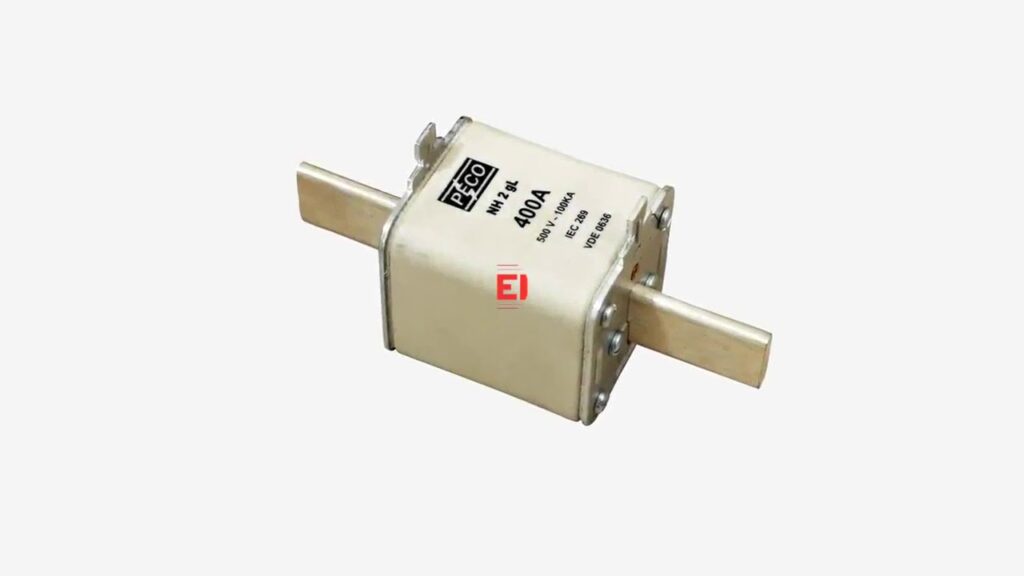
Fuses are electrical safety devices designed to protect electrical systems and equipment from damage caused by electrical faults. They are used to interrupt the flow of current in an electrical circuit when the current exceeds a safe level. 

Fuses come in different types, sizes, and ratings. One type of fuse used in electrical systems is the HRC fuse (High Rupturing Capacity fuse). HRC fuses provide high protection against electrical faults in industrial and commercial applications.

HRC fuses have high breaking capacity, which means they can safely interrupt high levels of fault current without causing damage to the fuse or the electrical system. 

They are constructed with high-quality materials and withstand environmental conditions, including high temperatures, humidity, and vibration.

Factors when selecting an HRC fuse

Current rating, voltage rating, breaking capacity, and speed of operation need to be assumed. 

  • Current Rating- It is the maximum current that the fuse can safely handle without blowing. This rating is in amperes (A), and it is significant to select a fuse with a current rating that is appropriate for the application.
  • Voltage Rating- The voltage rating of an HRC fuse is the maximum voltage that the fuse can safely handle without arcing or breaking down. This rating is in volts (V), so select a fuse with a voltage rating appropriate for the application.
  • Breaking Capacity- The breaking capacity of an HRC fuse is the maximum current that the fuse can safely interrupt without causing damage to the fuse or the electrical system. This rating is in kilo-amperes (kA). 
  • Speed of operation- The speed of operation of an HRC fuse is the time it takes to blow when a fault current exceeds the rated current of the fuse. 

This rating is in milliseconds (ms), and it is crucial to select a fuse with a speed of operation that is appropriate for the application.

Type of HRC fuse

In addition to these factors, it is also crucial to consider the type of HRC fuses needed for a particular application. HRC fuses, including gG, gL, and aM fuses.

  • gG fuses- are general-purpose fuses suitable for a wide range of applications. They have high breaking capacity for applications where high levels of fault current may be present.
  • gL fuses- are low-heat fuses designed to protect against low-level fault currents. They have low breaking capacity for applications where low levels of fault current may be present.
  • aM fuses- are motor protection fuses that protect against overloads and short circuits in motor circuits. They have high breaking capacity for applications where motors are present.

When selecting HRC fuses, consult the manufacturer’s datasheet and consider the particular necessities of the application. It is also essential to ensure that the fuse is installed correctly and is adequate for the system it is maintaining.

Final Words 

In conclusion, HRC fuses are a crucial component of electrical safety systems. It is used in industrial and commercial applications. They have high breaking capacity, reliability, and durability and provide high levels of protection against electrical faults. Visit IndoAsian to know more!

Switch brands are essential components of switchboards, which are crucial in controlling the flow of electricity within buildings and homes. These devices allow individuals to turn on and off electrical equipment and lighting, making them an integral part of any electrical system. 

With the increasing demand for energy-efficient solutions, many switch brands are introducing efficient, easy-to-install, and durable products.

In this article, we will explore some of the factors to consider when selecting switches brands for switchboards and their impact on the performance of switchboards.

Factors to Consider When Selecting Switches Brands for SwitchBoards

When selecting switch brands for switchboards, it is essential to consider factors including functionality, durability, ease of installation, and energy efficiency.

  • Functionality– It is a critical factor when selecting switch brands for switchboards. The switches should be easy to use and control, with clear markings that make it easy to identify which switch controls which circuit. 

Switches brands offer a range of products, including dimmer and timer switches that provide greater flexibility in controlling lighting and other electrical equipment.

  • Durability– It is another essential factor to consider when selecting switches brands for switchboards. 

The switches should be able to withstand the wear and tear of regular use, as well as any environmental factors that may impact their performance. 

Switches brands that use high-quality materials and undergo rigorous testing are more likely to offer durable products that can withstand the test of time.

  • Ease of installation- It is also a critical factor when selecting switch brands for switchboards. 

The switches should be easy to install, with clear instructions and minimal wiring requirements. It ensures a hassle-free installation process and reduces risk and potential safety hazards.

  • Energy efficiency– It is becoming an increasingly important factor when selecting a switch brand for switchboard. Energy-efficient switches can help reduce electricity consumption. 

Switches brands that offer low standby power consumption and automatic shut-off features can provide significant energy savings over time.

Impact of Switches Brands on SwitchBoards

The choice of switch brands has a crucial impact on the performance and longevity of switchboards. Below are some of how switch brands can impact switchboards.

  • Compatibility

Incompatible switches can result in malfunctions, damage to the switchboard, and potential safety hazards. 

When selecting switch brands, it is essential to consider the type of switchboard and ensure that the switches are compatible with the board’s specifications.

  • Reliability

Reliability is crucial when it comes to switching brands and switchboards. Switches brands that undergo rigorous testing and use high-quality materials are more likely to offer reliable products that can withstand regular use.

  • Safety

Safety is a top priority when it comes to switching brands and switchboards. Switchboards contain high levels of electrical energy, and any defects in the switches can result in potential safety hazards. 

Switches brands that comply with safety regulations, offer products with built-in safety features, and have a strong safety record are the best option for switchboards.

  • Energy Efficiency

Energy efficiency is becoming increasingly important in the selection of switch brands for the switch. Visit Legrand to know more!

After completing the 12th grade, students can enrol in various courses based on their interests. Typically, they begin in the first year of the course. However, another method of enrolling in a course is known as lateral entry. 

This form of admission is for students who have completed a diploma program and are qualified to enter directly in the second year of a course. In this scenario, the student should have already mastered the fundamental concepts and hence, can skip the first year.

It is also important to understand that not all courses allow lateral admission. Select courses, such as BCA (Bachelor of Computer Application), allow BCA lateral admissions.

Overview of the BCA Lateral Entry course

Particulars Details
1 Abbreviation BCA (Lateral Entry)
2 Course Name Bachelor of Computer Application (Lateral Entry)
3 Program Type Undergraduate Program
4 Duration 2 years
5 Eligibility Computer Application Diploma with at least 45% marks. 
6 Entrance Exams IPU-CET, AIMCET, and others.


BCA Lateral Entry Eligibility

Candidates who have completed a diploma program can apply for BCA Lateral Entry. It allows them to enter the BCA program in 2nd year. The candidate should have obtained at least 55% marks in their 12th class or diploma to be eligible.

Benefits of BCA Lateral Entry Admissions

Some diploma programs help students understand the basic ideas of the corresponding degree. For BCA, they are Electrical and Electronics Engineering (EEE), Electronics and Communication Engineering (ECE), Computer Science Engineering (CSE) or Information Technology (IT).

Since these subjects cover the basics of the course, the student need not take admission to the first year of the course. These are some of the benefits of lateral entry admissions:

  • The students are moved straight to the second year of the course, which is a major benefit.
  • They can skip the first year, where the basic knowledge of the subject is covered.
  • Unlike regular admission, a lateral entry has different qualifying rules. Sometimes, one may be required to take an entrance test.
  • They need not pay the first-year fees as they are already in the second year.
  • The students already have a diploma when they apply for admission through lateral entry. 

Admission For BCA Lateral Entry

The BCA Lateral Entry admission process begins either with an entrance exam or is based on a merit list released by institutes in the online and offline modes. The entrance exams for BCA lateral entry include IPU-CET, TS ICET, AP ICET and others. The next step for those admitted based on entrance exams is participating in the counselling process or the personal interview round after successfully qualifying for the entrance exam.

Steps for Admission to BCA Lateral

To apply for BCA lateral entry, candidates should follow these steps:

  • Visit the official website of the institute or the admissions office of the institute and fill out the application form for BCA lateral entry.
  • Complete the application form as directed, and upload the necessary documents in the specified format.
  • The final selection is made after a round of group discussion and personal interview (if applicable).

Syllabus for BCA Lateral Entrance

To prepare for the BCA lateral entry entrance exam, candidates should focus on 5 key topics:

  1. Quantitative Ability
  2. General Awareness
  3. Computer Knowledge
  4. General English
  5. General Intelligence and Reasoning

Documents Required for BCA Lateral Entry

The required documents for BCA Lateral Entry admission include the following:

  • Marksheet and passing certificate of your Class 10 or 12 examinations or Diploma
  • School leaving certificate
  • Proof of date of birth
  • Transfer certificate
  • Character certificate
  • Domicile certificate or residential proof certificate
  • Provisional certificate
  • Scheduled Caste, Scheduled Tribe, or Other Backward Caste certificates (if applicable)
  • Proof of disability (if applicable)
  • Migration certificate.

Difference between BCA Lateral & BCA Direct 

Particular BCA Lateral BCA Direct
1 Abbreviation BCA(Lateral Entry) BCA(Direct)
2 Course Name Bachelor of Computer Application (Lateral Entry) Bachelor of Computer Application (Direct)
3 Admission After Diploma in 2nd Year After 12th grade in 1st Year
4 Duration 2 years 3 years
5 Eligibility Computer Application diploma with at least 45% of the total score. 12th if your optional subjects are Physics, Chemistry, and Maths. In the case of commerce or arts, 50% marks or above in 12th, with English and Mathematics as compulsory subjects.
6 Entrance Exam IPU-CET, AIMCET, and many more. PESSAT, IPU CET, SUAT, AIMA UGAT, BUMAT

SET and LUCSAT etc.


BCA Lateral Entry Colleges

  • Symbiosis Institute of Computer Studies and Research, Pune

Selection Process: The selection process for admission to this college is a Symbiosis Entrance Test (SET), which is then followed by a Group Discussion (GD) and Personal Interview (PI). 

Course Fees: The tuition fee for the program is up to ₹6 Lakhs.

  • Christ University, Bengaluru

Selection Process: The selection process for admission to this college on merit in their previous academic records.

Course Fees: The tuition fee for the program is up to ₹4 Lakhs.

  • Loyola College, Chennai

Selection Process: The selection process for admission to this college is based on the merit of their previous academic records. 

Course Fees: The tuition fee for the program is up to ₹2 lakhs.

  • Amity Institute of Information Technology

Selection Process: The selection process for admission to this college is based on the merit of their previous academic records. 

Course Fees and Average Salary: The tuition fee for the program is up to ₹6 lakhs.

  • Kristu Jayanti College, Bangalore 

Selection Process: The selection process for admission to this college is based on the merit of their previous academic records. 

Course Fees: The tuition fee for the program is up to ₹2.15 lakhs.

  • Women’s Christian College, Chennai

Selection Process: The selection process for admission to this college is based on the merit of their previous academic records. 

Course Fees: The tuition fee for the program is up to ₹8 lakhs.

  • St. Joseph’s College, Bengaluru 

Selection Process: The selection process for admission to this college is based on the merit of their previous academic records. 

Course Fees: The tuition fee for the program is up to ₹9 lakhs.

  • Madras Christian College, Chennai 

Selection Process: The selection process for admission to this college is based on the merit of their previous academic records. 

Course Fees: The tuition fee for the program is up to ₹75,000.

  • Goswami Ganesh Dutta S.D. College Chandigarh 

Selection Process: The selection process for admission to this college is based on merit in their previous academic records.

Course Fees: The tuition fee for the program is up to ₹95,000.

Conclusion

BCA Lateral Entry is the best way for students who have completed a diploma program & want to enter directly into the 2nd year of a BCA course. This admission method is beneficial as it allows students to skip the first year of the course, as they have already covered the basics during their diploma. Whether taking a lateral entry or starting from the beginning – the most critical factor remains the placement opportunity. To ensure you get the best job offers, upskill yourself with Sunstone. It is a higher education services provider offering 100% placement support with guaranteed interviews. 

How to become a chartered accountant for the sake of your professional success and goals? Follow a few steps that will lead you to the finish line. The road may have a few obstacles, but it does not mean you will never reach the end that signifies your achievement. 

The key is to take note of some things and become a responsible professional, and here are the steps to help you start this journey to your goals. 

STEP #1: HAVE A GOAL AND PURPOSE 

You obviously want to become a certified accountant for a reason, such as the coveted promotion in the workplace, to learn more about the wonders of the industry, and even to meet people who share the same interest. With this, all goals are valid as long as they help you become the person you want to be. Start by having something you wish to achieve because that is how you walk or run to the finish line! 

STEP #2: EXPLORE YOUR OPTIONS 

Many organisations and other agencies offer different ways to achieve things in your finance & accounting career. Some have a chartered accountant courseto assess and sharpen your knowledge to become competent at what you are doing. On the other side of the corporate building, you will encounter an agency with a totally different method for helping professionals elevate their careers. In short, explore your options and find the one that works for you because these are serious career matters. 

STEP #3: LEARN WHAT YOU CAN DO 

When you are already in a stage where you are considering a specific accounting certification programme for your career or a course that will equip you with the latest knowledge in the industry, learn what and how you can maximise these things. An example is when you plan to build relationships and strengthen your professional network through interactions, such as handing your calling card or joining activities with fellow corporate figures. 

STEP #4: APPRECIATE THE THINGS YOU DO 

The last step is to appreciate every step of the process and try to resonate with them. Did you experience a challenge? Dust your knees, get up, and face them with a fighting spirit! The key is to use everything to your advantage, even challenges that make you fall, which means a lot when trying to ask the question of how to become a chartered accountant. 

Becoming a certified accountantis possible with ICAEW Singapore, and visit their website to learn more about their professional offerings.